1. What Is Organic Brown Rice?
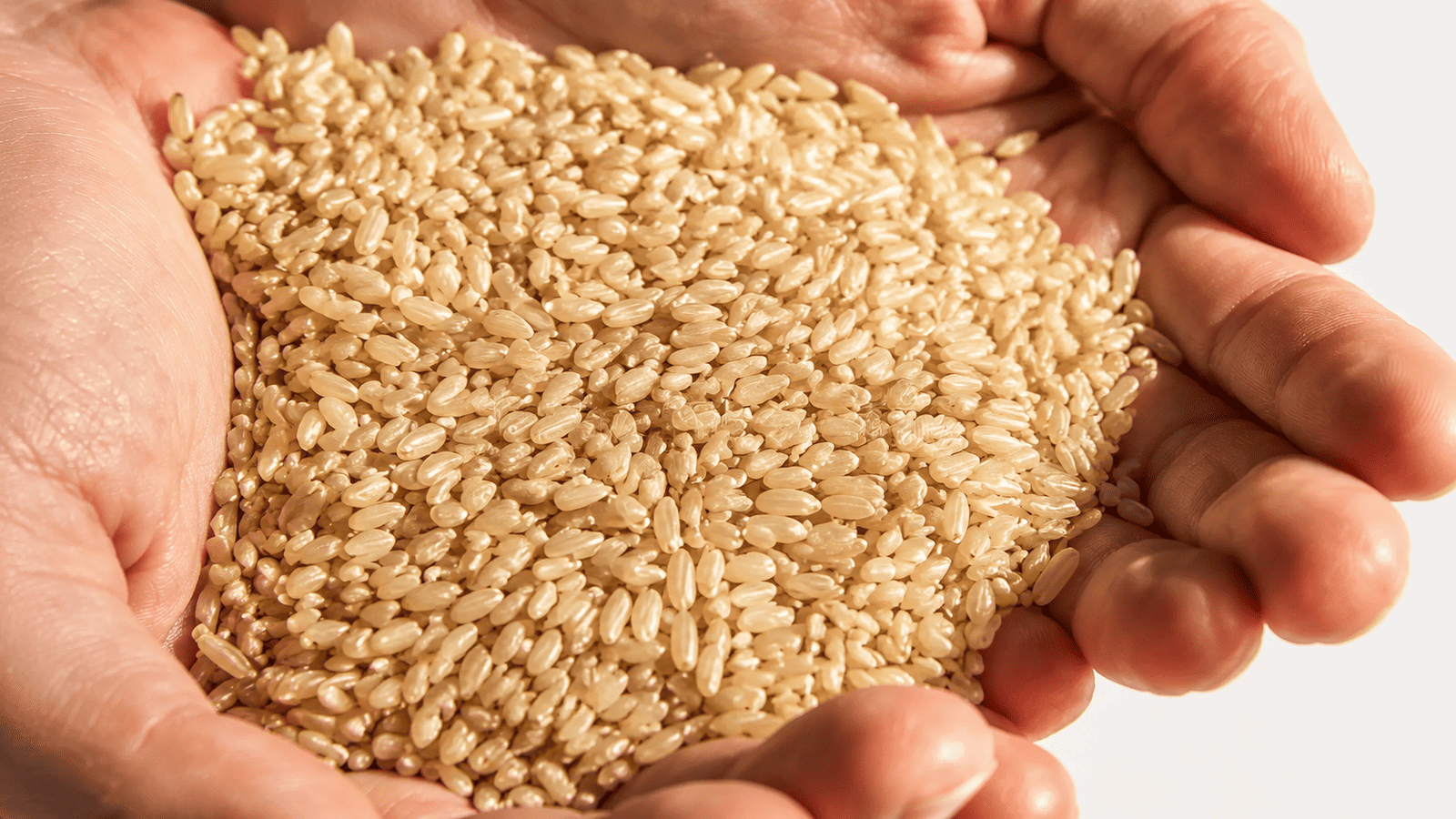
Brown rice is simply rice that keeps its bran layer and germ. When paddy is harvested, the first milling pass removes only the tough outer husk — nothing else. White rice goes through a second, harder pass that polishes away the bran and germ; brown rice skips that step, so the grain keeps its tan colour, a slightly firmer bite, and most of the fibre, minerals and B-vitamins that a deeper polish would strip out.
“Organic” is a separate, legally defined condition on top of that. For a pack to carry an organic claim in India, the paddy must be grown for at least 36 months without synthetic pesticides, weedicides, or chemical fertiliser, under a documented system such as India’s National Programme for Organic Production (NPOP) or the Participatory Guarantee System (PGS-India), and the mill handling it must keep organic lots physically separate from conventional stock at every stage, from intake to packing.
India does not grow a single “brown rice” variety — almost any paddy can be sold unpolished as brown rice. The organic brown rice most commonly found on Indian shelves comes from Sona Masuri, IR-64, and Ponni paddy for everyday medium and short-grain cooking, while long-grain basmati is increasingly sold in a lightly milled, brown form too. Because the base variety changes grain length, cooking time and aroma so much, the phrase best organic brown rice brand really describes a set of practices — verifiable certification, fresh milling, and careful handling — more than any single grain type.
2. How Organic Brown Rice Is Grown and Milled
Organic paddy cultivation starts well before sowing. Fields must be free of prohibited inputs for the full 36-month transition period, with buffer strips separating them from any neighbouring conventional plots. Farmers restore soil fertility through crop rotation with pulses, green manures such as dhaincha, composted farmyard manure, and biofertilisers, while pests are managed with light and pheromone traps, neem-based sprays, and by encouraging natural predators rather than reaching for chemical pesticides.
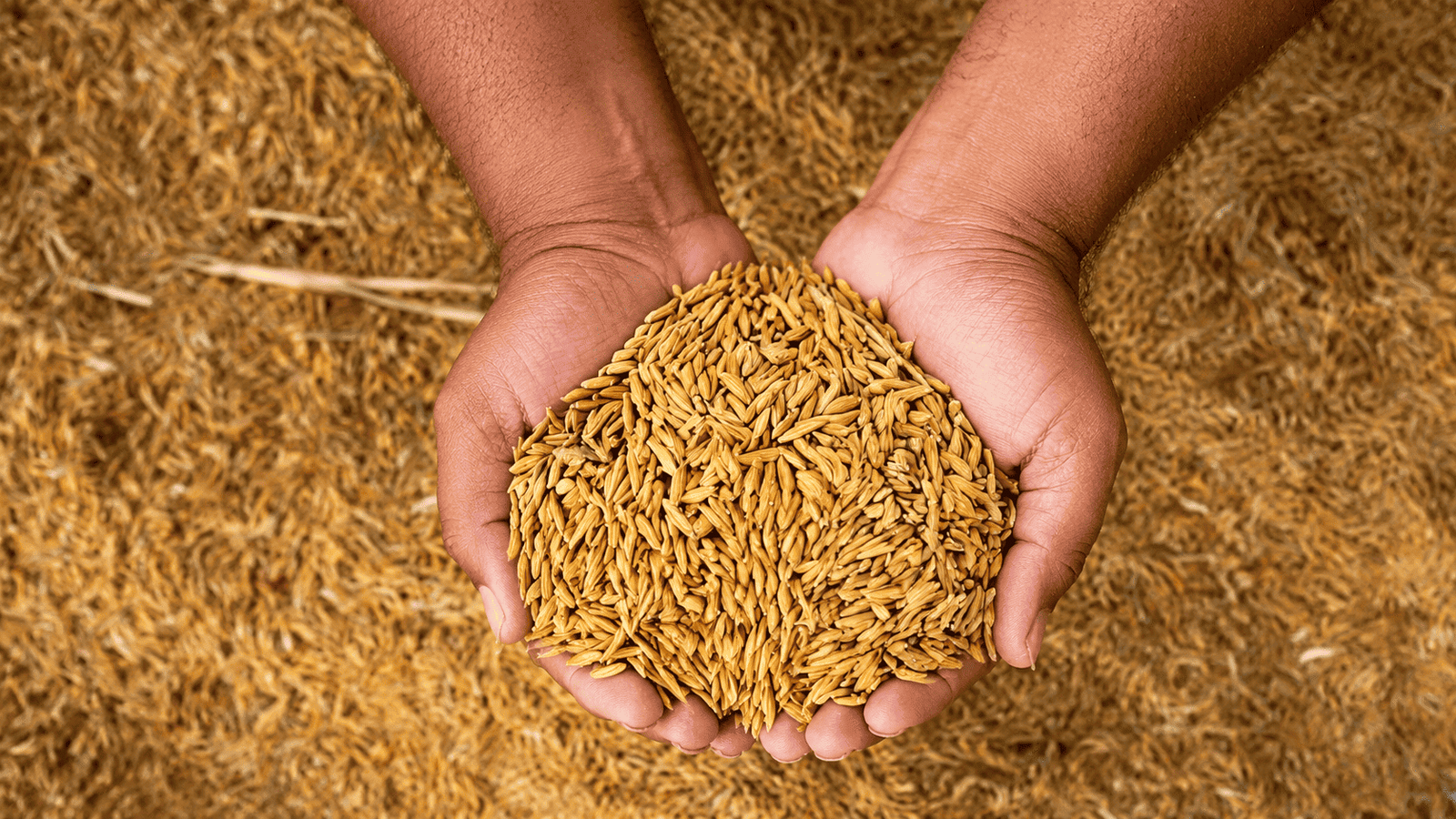
After harvest, the paddy is dried to roughly 12–13% moisture and stored in food-grade bags. The de-husking stage runs the paddy through a rubber-roll sheller to crack off the outer husk, leaving the bran-covered kernel behind. This is the point where brown rice and white rice part ways: white rice continues through a whitening cone that polishes away the bran and germ, while brown rice stops here, sometimes going through only a very light “single polish” pass to smooth the surface.
That difference has a practical consequence buyers often overlook. Because the bran layer still carries its natural oils, organic brown rice is far more sensitive to time and heat than white rice. A brand that mills in small batches close to its packing date protects flavour and prevents the faint bitterness that develops as those oils oxidise; a brand that mills months in advance and lets stock sit in a warehouse cannot guarantee the same freshness, even if the certificate on the pack is genuine.
3. Nutritional Profile of Organic Brown Rice
A 100-gram serving of raw organic brown rice typically provides around 360–365 kcal, 76–77 g of carbohydrate, 7.5–8 g of protein, 3.3–3.5 g of dietary fibre, and 2.5–2.9 g of fat, alongside meaningful amounts of magnesium, manganese, phosphorus, and B-vitamins (thiamin, niacin, B6). Because milling removes the bran and germ where most of these nutrients concentrate, white rice retains only a fraction of the fibre, magnesium and B-vitamin content found in brown rice from the same paddy.
Relative share of the four tracked macronutrients in organic brown rice.
Segments show each nutrient’s share of the four macros shown here (carbohydrate, protein, fibre and fat) relative to one another — not a percentage of total grain weight, which also includes moisture, ash and trace minerals. Values are typical figures for raw organic brown rice and vary slightly by paddy variety and crop year.
The aging and light milling typical of good organic brown rice also leaves more of the outer aleurone layer intact, which is where most of the manganese, magnesium and antioxidant compounds sit. This is one reason nutritionists in India increasingly recommend swapping at least some meals from polished white rice to organic brown rice, particularly for households managing weight or blood-sugar goals alongside a balanced diet.
4. Organic Brown Rice vs Other Rice Varieties
Buyers comparing the best organic brown rice brand against white, red, and black rice options often ask which one is genuinely “healthier.” The honest answer is that each variety trades strengths for weaknesses — no single rice wins on every measure. The scorecard below rates four common criteria on a simple five-dot scale, where more filled dots means a stronger result for that criterion.
Organic Brown Rice vs Polished White Rice vs Red Rice vs Black Rice, rated on typical published values.
Ratings are relative, typical guidance based on published nutrition data, not lab-measured values for any single batch. Brown, red and black rice all outscore polished white rice on fibre and minerals, but polished white rice keeps the longest shelf life because it has no bran oils left to turn rancid.
For most Indian kitchens, organic brown rice sits in a practical middle ground: noticeably more fibre and minerals than white rice, a milder and more familiar flavour than red or black rice, and a cooking time that, while longer than white rice, is still manageable on a weekday.
5. Certifications That Define the Best Organic Brown Rice Brand
In India, “organic” on a food label is not just marketing language — it is regulated under the FSS (Organic Foods) Regulations, 2017. Since July 2018, any pre-packaged food sold as organic in India must carry the Jaivik Bharat logo and be backed by either NPOP third-party certification or PGS-India group certification, along with a valid FSSAI licence. A brand exporting to the United States or European Union typically layers on USDA NOP or EU organic equivalence as well, since NPOP is recognised as equivalent for trade with the US.
A genuine best organic brown rice brand can show all of these on request, not just print a logo.
A logo alone proves nothing. Every certificate carries a unique number that can be checked against the certifier’s public database, the Jaivik Bharat portal, or APEDA’s Tracenet system before you trust the claim.
Buyers evaluating a supplier — whether for a single retail pack or a container load — should ask to see the certificate itself, confirm the certifier’s accreditation, and check that the certificate covers the specific product and packing unit, not just the farm. Records should be retrievable for at least five years, since that is the standard documentation window most certifiers and food-safety authorities expect.
6. Health Benefits of Organic Brown Rice
Choosing a genuinely organic, well-milled brown rice has a few distinct advantages worth understanding rather than taking on faith.
Glycemic response. Cooked organic brown rice generally sits in the low-to-medium glycemic index range, meaning it tends to raise blood sugar more gradually than polished white rice or jasmine rice. This makes it a common substitution recommended by dietitians for people watching their blood-sugar response, though how any individual responds also depends on portion size, ripeness, and what else is on the plate.
Lower GI = a more gradual blood-sugar response after eating.
Values are typical midpoints from published glycemic-index studies. Actual GI varies with variety, cooking method, and portion; this is general nutrition information, not individual medical advice.
Fibre and satiety. The bran layer left intact in brown rice supplies roughly three times the dietary fibre of white rice from the same grain, which supports digestive regularity and can help with feeling fuller for longer after a meal.
Gluten-free by nature. Like all true rice, organic brown rice is naturally free of gluten, making it a safe staple for people with celiac disease or gluten sensitivity, provided the mill maintains documented gluten-free handling to avoid cross-contamination with wheat.
Lower residue exposure. Because certified organic paddy is grown without synthetic pesticides for at least three years and processed in segregated facilities, lab testing on organic rice consistently shows a lower frequency of pesticide residues than conventional rice grown in the same region.
None of this replaces personalised medical or dietary advice — anyone managing a condition like diabetes should confirm portion sizes and meal planning with a doctor or registered dietitian.
7. How to Choose the Best Organic Brown Rice Brand: A 6-Point Checklist
With certification logos now common on packaging, telling a genuinely careful brand from one that is simply compliant on paper takes a closer look. These six checks cover the points that matter most.
8. How to Cook Organic Brown Rice Perfectly
Because the bran layer slows water absorption, organic brown rice needs a longer soak and cook time than white rice — skipping this step is the most common reason people find brown rice gummy or undercooked at the centre.
Rice to water ratio: 1 cup rice to 2–2.25 cups water.
Older stock or grain from a warmer, drier climate may need a slightly longer soak; a 20–30 minute pre-soak in warm rather than cold water also speeds things up on a weeknight.
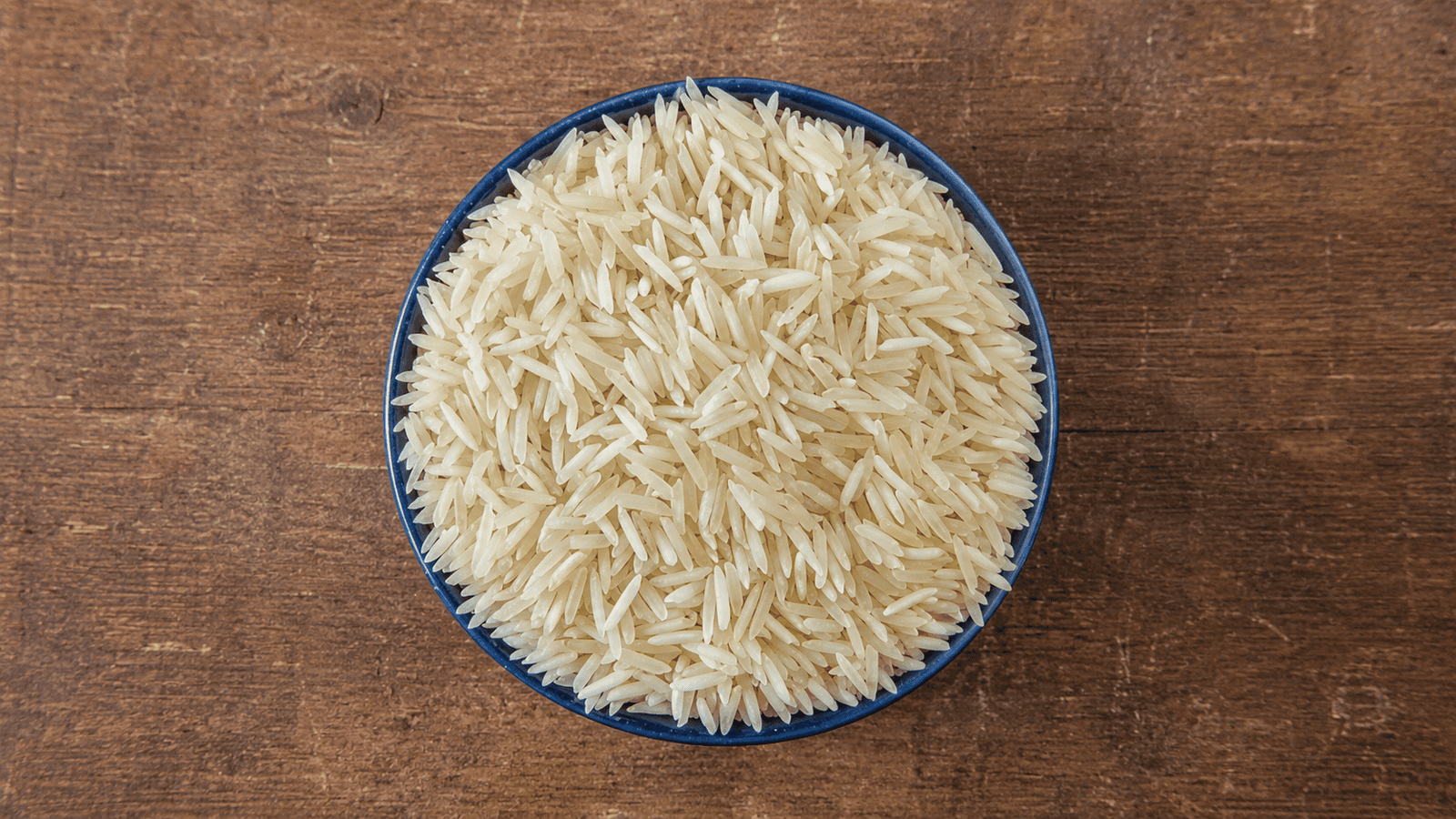
For a pressure cooker, reduce the water slightly (around 1:1.75) since less liquid evaporates under pressure, and let the pressure release naturally for 10 minutes before opening the lid — this rest period does the same job as resting a pot on the stove.
9. Buying Organic Brown Rice in India: Formats to Know
Retail buyers in India most commonly find organic brown rice in 500 g, 1 kg, 2 kg, and 5 kg pouches, ideally in vacuum-sealed or nitrogen-flushed packaging that limits the oxygen exposure responsible for rancidity. Smaller, more frequent purchases from a brand that mills close to the packing date generally beat one large pack that sits half-used in the pantry for months.
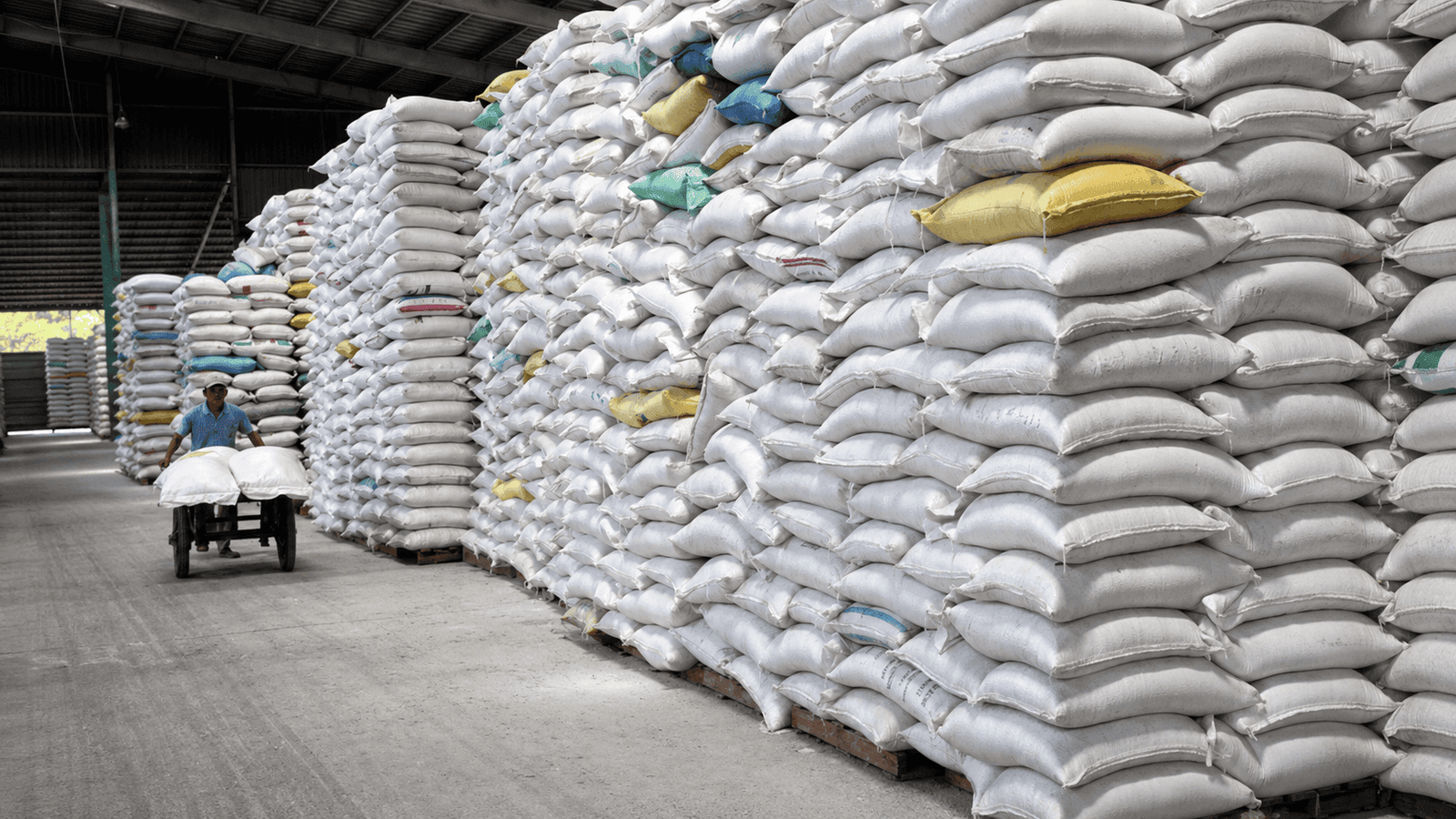
Distributors, retailers, hotels, and institutional kitchens typically move up to 25 kg and 50 kg PP-woven bags, while co-packers and large-volume buyers use 1 MT FIBC jumbo bags. For private-label retail packaging, most mills expect a minimum order that covers their printing-plate and packaging-film setup costs, so it is worth confirming minimum quantities early in any conversation with a supplier.
Buyers exporting or importing organic brown rice internationally should expect the same documentation chain covered for basmati — NOP transaction certificates, phytosanitary certificates, and, for shipments into India, an FSSAI import licence alongside customs clearance through the relevant port. A supplier who can produce this paperwork quickly, without delay or excuses, is usually the same supplier who takes certification and freshness seriously across the board.
10. Frequently Asked Questions
Common questions from Indian households, retailers, and distributors evaluating the best organic brown rice brand for their needs.
The best organic brown rice brand backs its organic claim with a valid, checkable NPOP or USDA NOP certificate rather than just a logo, mills each batch close to its packing date to protect the natural oils in the bran, tests every lot for pesticide residue and heavy metals through an accredited lab, and packs the rice in moisture-barrier material that keeps it fresh until it reaches the buyer.
Organic brown rice is whole-grain rice that has only had its outer husk removed during milling, so the bran layer and germ stay intact, and it is grown for at least three years without synthetic pesticides, herbicides, or chemical fertilisers under a certified organic farming system such as India’s NPOP or PGS-India.
Both go through the same light milling, but organic brown rice is grown under a certified organic system with documented traceability from farm to pack, so lab tests typically show far lower pesticide-residue levels than conventional brown rice, and certification also confirms non-GMO seed and non-chemical soil inputs.
Cooked organic brown rice generally falls in the low-to-medium glycemic index range of roughly 50 to 55, lower than polished white rice at 68 to 72, which means it tends to raise blood sugar more gradually, though individual response also depends on portion size and what it is eaten with.
Its higher fibre content can support fullness and a more gradual post-meal blood-sugar rise compared with white rice, which is why it is often included in weight-conscious and blood-sugar-aware diets, but it should be treated as one part of an overall eating pattern, and anyone managing diabetes should confirm portion sizes with their doctor or dietitian.
Because the bran layer still holds natural oils, organic brown rice has a shorter shelf life than white rice — typically 6 to 9 months at room temperature and up to 12 months if refrigerated or frozen in an airtight container. Buying smaller packs more often from a brand that mills close to the packing date keeps the rice from turning rancid before it is finished.
Yes. All true rice, including organic brown rice, is naturally gluten-free and suitable for people with celiac disease or gluten sensitivity, provided the mill and packing unit follow documented gluten-free handling to avoid cross-contamination with wheat-based products.
Genuine organic brown rice brands are available through their own websites, organic grocery stores, and select supermarket organic aisles in retail packs commonly ranging from 500 g to 5 kg, while distributors, retailers, and foodservice buyers can source it in 25 kg and 50 kg bags or 1 MT jumbo bags directly from a certified exporter or mill for bulk and private-label requirements. Request a bulk quote here.
11. Conclusion
The best organic brown rice brand is not defined by the boldest logo on the front of the pack. It is defined by whether the certification behind that logo can actually be checked, whether the rice was milled recently enough to still taste the way brown rice should, and whether the brand can produce a batch-specific lab report the moment a buyer asks for one.
We maintain dual NPOP and USDA NOP certification, mill organic brown rice in small batches close to dispatch, and test every lot for pesticide residue and heavy metals through an accredited laboratory — the same standards this guide asks any brand to meet. If you are evaluating suppliers for retail, foodservice, or bulk export, our team can share certification documents, lab reports, and samples directly.
Ready to Source Certified Organic Brown Rice?
Get full NPOP, USDA NOP and FSSAI documentation along with batch-wise lab reports. Our export desk responds to all buyer inquiries within one business day.