1. What Actually Makes Rice the "Best" Organic Choice?
When someone searches for the best organic rice, they're rarely hoping for a single winner. They're hoping for the right rice for a particular pot, a particular diet, or a particular supply chain. "Best" changes depending on whether you're cooking a weeknight curry, stocking a health-food aisle, or sourcing a container load for an Australian distribution business. Before comparing varieties, it helps to agree on what actually separates an excellent organic rice from an average one.
Four factors do most of the work. The first is certification integrity — whether the "organic" claim on the bag is backed by a real, auditable chain of custody rather than a marketing word. The second is terroir and varietal purity: rice, like wine or coffee, takes on the character of the soil, water and climate it's grown in, and genuinely aromatic varieties such as basmati can't be convincingly replicated outside their native growing regions. The third is processing quality — how the rice was aged, milled and polished, which affects everything from fragrance to how many grains break apart in the pot. The fourth is nutrition and safety, including glycemic response, fibre content, and independently verified pesticide-residue testing.
Quick answer: For most Australian households, aged organic white basmati is the best all-round organic rice — it's the most aromatic, the most versatile across cuisines, and the easiest to cook consistently. If you want more fibre and a lower glycemic response, organic black (forbidden) rice or organic brown rice are the stronger everyday choice.
Keep these four criteria in mind as you read on — they're the lens we'll use to compare basmati, brown, black, red, wild and non-basmati organic rice, to explain what Australian certification actually guarantees, and to walk through what buyers and importers need to check before a shipment ever leaves origin.
2. Types of Organic Rice, Compared
"Organic rice" isn't one product — it's a farming method applied to dozens of botanical varieties, each with a different grain shape, milling process and culinary role. Getting familiar with the main categories is the fastest way to work out which one deserves the "best" label for your specific use case.
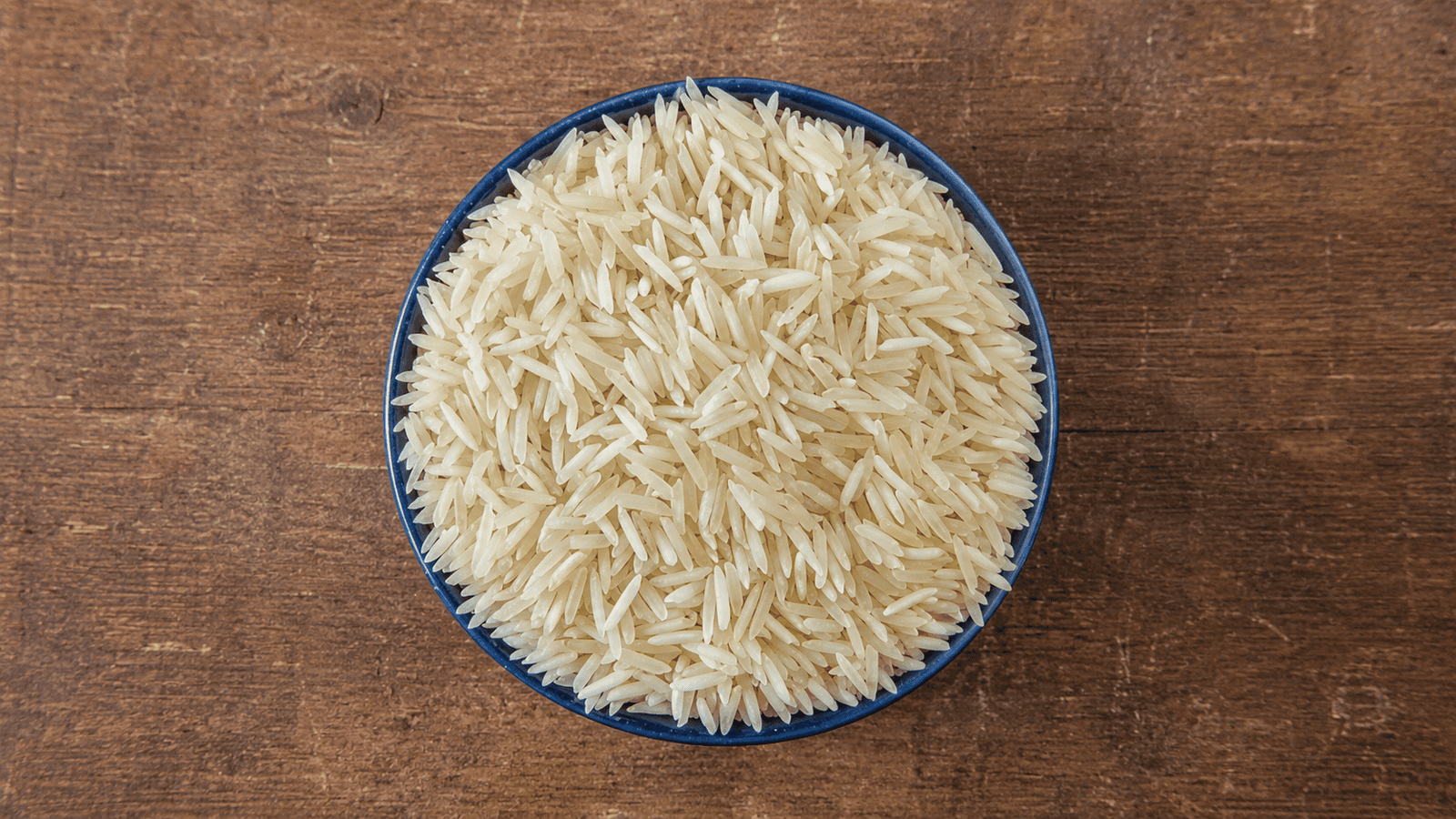
White basmati is the aromatic long-grain benchmark; brown rice keeps its bran for extra fibre and a nuttier bite; black rice (sometimes called forbidden rice) is prized for its antioxidant-rich purple-black bran; red rice sits somewhere between brown and black in flavour and colour; wild rice is technically an aquatic grass seed rather than true rice, valued for its smoky flavour and high protein; and non-basmati white rice covers everyday long-grain and jasmine-style varieties used across Asian cooking.
| Variety | Grain & Milling | Aroma | Texture | Typical Origin | Best For |
|---|---|---|---|---|---|
| Organic White Basmati | Long-grain, fully milled (7.5–8.4 mm raw) | Nutty, popcorn-like | Fluffy & separate | Himalayan foothills, India | Biryani, pulao, pilaf |
| Organic Brown Rice | Long or medium-grain, bran intact | Earthy, nutty | Chewy, hearty | India & the Riverina, NSW | Everyday meals, grain bowls |
| Organic Black Rice | Medium-grain, bran intact, deep purple-black | Nutty, slightly sweet | Chewy, a little sticky | India, Thailand | Salads, gut-health bowls, desserts |
| Organic Red Rice | Medium-grain, bran intact, reddish-brown | Earthy, nutty | Firm, chewy | India, Himalayan foothills | Wholegrain pilafs, salads |
| Organic Wild Rice | Long, slender aquatic grass seed | Smoky, herbaceous | Firm & chewy, pops when cooked | Imported blends | Stuffings, festive blends |
| Organic Non-Basmati White | Long-grain, fully milled | Mild, subtly floral | Soft, slightly sticky | India, Thailand | Curries, stir-fries, everyday cooking |
Looking at the table, no single variety wins on every measure. Basmati leads on aroma and versatility, black and red rice lead on antioxidants and fibre, brown rice is the dependable all-rounder, and non-basmati white rice is the everyday workhorse for fast midweek cooking. To put a number on it, here's how the six main organic rice types stack up when we weigh aroma, culinary versatility, nutrition density and ease of cooking together.
Scored out of 100 across aroma, culinary versatility, nutrition density and ease of cooking.
Scores reflect our own editorial weighting, not a scientific study — treat this as a starting point for your own shortlist, not a verdict. A health-first buyer might well rank black rice at number one.
3. Organic Certification in Australia: What "Certified Organic" Really Means
There's no single global organic label, and for rice sold or imported into Australia, the honesty of an "organic" claim rests on a chain of certifications rather than one government seal. Two standards sit behind most legitimate claims: the National Standard for Organic and Bio-Dynamic Produce, which is Australia's export standard, and AS 6000-2009, the Australian Standard for Organic and Biodynamic Products administered by Standards Australia for domestic use.
Here's the detail that surprises a lot of buyers: Australia has no mandatory domestic law requiring certification for products sold as "organic" within the country — a real difference from the United States (USDA NOP) or the European Union. A business can legally print "organic" on a bag without third-party verification, provided the claim isn't false or misleading under the Australian Consumer Law, which the ACCC enforces. Certification only becomes mandatory the moment a product is exported from Australia.
That's exactly why third-party certification matters so much for buyers trying to identify the best organic rice. Australian Certified Organic (ACO) is the country's largest and most recognised certifier, operating under the Australian Organic Limited "Bud" mark and requiring annual on-site audits, full supply-chain traceability and a minimum three-year land conversion period. Other approved certifying bodies include Southern Cross Certified (SXC), Organic Food Chain (OFC), AUS-QUAL, Safe Food Queensland and the Bio-Dynamic Research Institute. Worth knowing: NASAA Certified Organic, historically one of the biggest names in Australian organics, ceased operations in mid-2025, leaving hundreds of businesses needing to transfer to a new certifier — a useful reminder to check that any certification mark you see is still current and accredited, not just familiar.
For imported organic rice specifically, the exporting country's certification does the heavy lifting. Rice grown and processed under India's National Programme for Organic Production (NPOP) is widely recognised as broadly equivalent to USDA NOP, and reputable exporters typically hold both, plus a shipment-specific organic transaction certificate. Australian importers and distributors should keep this documentation on file — it's what actually substantiates their own organic labelling claims if the ACCC or a customer ever asks.
| Certifier | Where It Applies | What It Confirms for Buyers |
|---|---|---|
| Australian Certified Organic (ACO) | Australian growers, processors & importers | Australia's largest certifier; National Standard compliance; recognised for export to the US, EU, Japan & Korea |
| Southern Cross Certified (SXC) | Australian growers, processors & importers | National Standard compliance; a growing alternative certifier since 2025 |
| Organic Food Chain (OFC) | Australian growers, processors & importers | National Standard compliance across the full supply chain |
| India NPOP / APEDA | Rice grown & milled in India | Certifies the exporting farm, mill and shipment lot before it leaves origin |
| USDA NOP Equivalence | Rice also certified for the US market | Recognised as broadly equivalent to NPOP; a useful cross-check for global buyers |
The practical takeaway: when you're comparing suppliers of the "best organic rice", ask to see the certificate, not just the logo. A current certificate number, an accredited certifier, and a lot-specific transaction certificate are the difference between a genuine organic claim and a marketing one.
4. Nutrition: How the Best Organic Rice Types Compare
All rice is mostly carbohydrate, but the proportions of protein, fat and fibre shift noticeably between varieties, mainly depending on how much of the bran layer survives milling. The chart below shows the approximate macronutrient split for each variety, as a share of total carbohydrate, protein, fat and fibre — not as a share of total weight, since water and moisture content vary by cooking method.
Share of total carbohydrate + protein + fat + fibre for each organic rice type (typical values).
Wild rice stands out for protein share, while brown, black and red rice each carry roughly triple the fibre share of white basmati or non-basmati white rice — the trade-off is a longer cook time and a chewier bite.
The other number buyers ask about most is glycemic index (GI) — a measure of how quickly a food raises blood glucose after eating. Aging typically nudges basmati's GI down slightly by increasing its resistant-starch fraction, which is one reason well-aged basmati often outperforms fresher, unaged batches. Here's how the main organic rice types compare on GI, boiled and drained.
Lower GI = a slower, steadier blood-sugar response. Boiled and drained, typical published ranges.
Wild rice is excluded here — as an aquatic grass rather than a true rice, it has limited standardised GI data available. Actual GI varies with cooking method, cooling, and how much the rice has been aged before milling.
5. Health Benefits Buyers Actually Care About
Digestibility. Milled white rice is low in insoluble fibre and phytates, which makes it gentler on sensitive digestive systems than wholegrain rice. It's a common first solid food in many cultures and is often recommended during recovery from digestive upset, while brown, black and red rice suit people who tolerate more fibre and want a slower-release meal.
Gluten-free status. Like all true rice, every variety covered here is naturally gluten-free and safe for people with coeliac disease or wheat sensitivity. The one thing worth checking is whether the mill and packing facility maintains documented gluten-free handling procedures, since cross-contact can occur at facilities that also process wheat-based grains.
Antioxidants in black and red rice. Black rice's deep purple-black bran gets its colour from anthocyanins, the same pigment family found in blueberries and purple cabbage — historically the reason it was reserved for Chinese emperors and earned the nickname "forbidden rice". Red rice carries a related but different set of bran pigments. Both offer a nutritional edge over white rice that goes beyond fibre alone.
Arsenic awareness. All rice naturally absorbs trace arsenic from soil and irrigation water, regardless of whether it's grown organically. Levels vary by growing region and water source rather than by farming method, so buyers who are particularly arsenic-conscious — for infant food or high-frequency consumption, for example — should look for suppliers who can provide independent heavy-metals testing for the specific lot, rather than assuming "organic" alone addresses this.
Residue safety. Because certified organic rice is grown without synthetic pesticides for at least three years and processed in segregated facilities, independently tested organic rice consistently shows lower pesticide-residue frequencies than conventionally grown rice — one of the more concrete, verifiable health arguments for choosing organic in the first place.
6. Where Australia's Best Organic Rice Comes From
Australia does grow its own rice — just not the aromatic long-grain varieties most buyers picture when they think "best organic rice". The domestic industry is centred on the Riverina region of southern New South Wales, around Deniliquin and Leeton, where growers — largely through the co-operative SunRice — produce mostly medium and short-grain rice inside a protected quarantine growing area designed to keep the crop free of exotic pests. Some certified organic brown rice lines are grown here, but Australia's climate simply isn't the Himalayan foothills, so true basmati — along with most of the black, red and wild rice sold here — is imported.
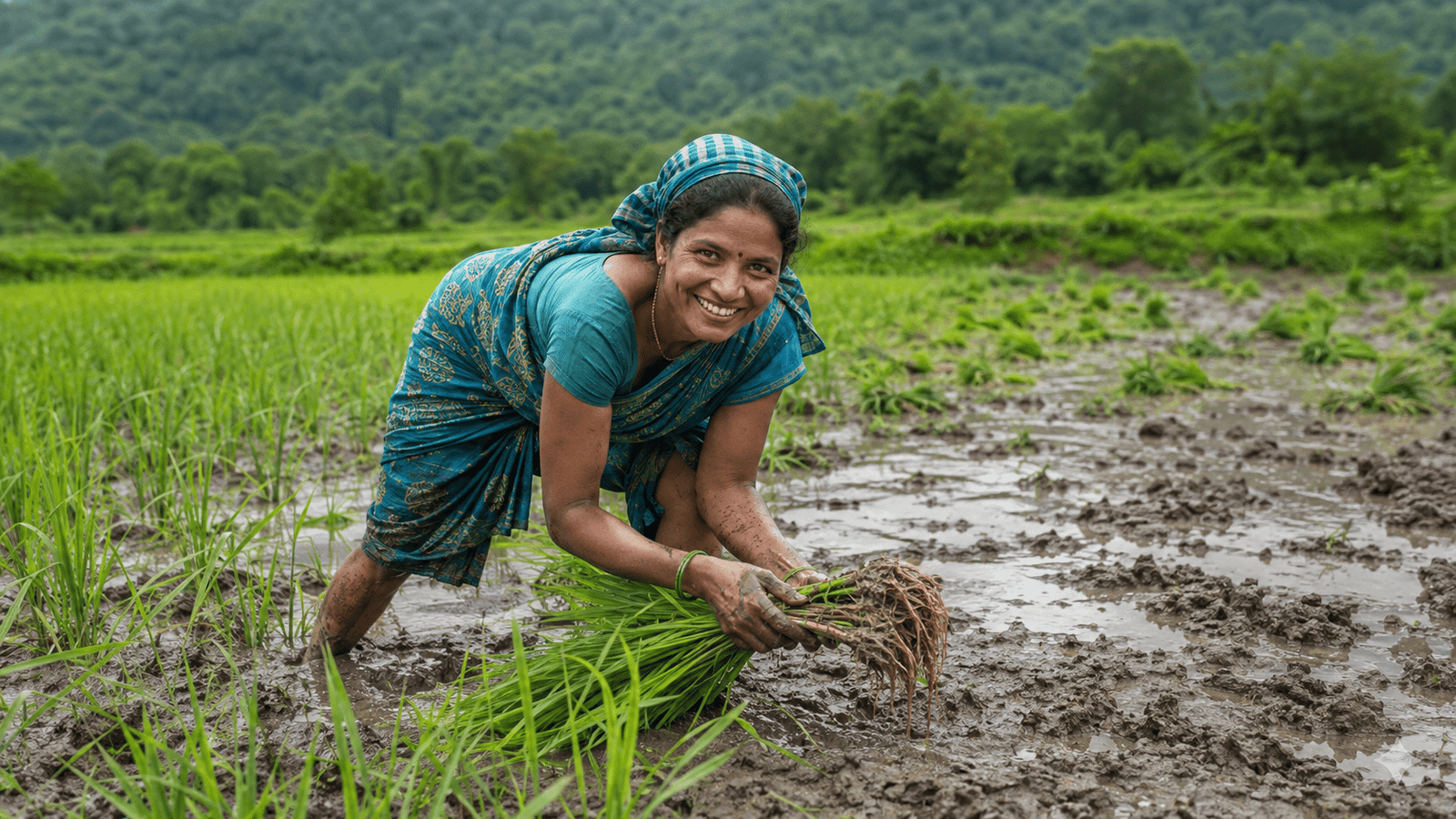
For imported organic rice, India's Himalayan foothill states — Punjab, Haryana, Himachal Pradesh and Uttarakhand — supply most of the world's genuine basmati, along with a meaningful share of black, red and non-basmati long-grain rice. Thailand contributes much of the jasmine-style aromatic white rice on Australian shelves, and smaller volumes arrive from a handful of other origins. Here's a representative picture of where Australia's organic rice supply typically comes from.
Approximate supply mix by origin — an illustrative pattern, not an official trade statistic.
India remains the dominant source for aromatic and speciality organic rice sold in Australia, largely because basmati's terroir can't be reproduced locally.
7. Buying & Importing Organic Rice in Australia: Biosecurity & Compliance
Bringing organic rice into Australia touches three separate compliance streams — biosecurity, food safety, and the organic claim itself — and importers, distributors and private-label brands need to satisfy all three, not just the one that feels most obvious.
Biosecurity: BICON and the Viable vs Non-Viable Distinction
The Department of Agriculture, Fisheries and Forestry (DAFF) manages rice imports through its Biosecurity Import Conditions system (BICON). A detail that trips up a lot of first-time importers: DAFF classifies rice by viability rather than by colour or variety. Non-viable rice — rice milled enough to remove the germ so it can't germinate, which covers most standard white rice — generally faces simpler conditions. Viable rice — rice with an intact germ, such as brown, black or red rice, capable of germination — is treated as a higher biosecurity risk and may require an import permit or treatment before it's allowed in. Conditions vary by exact product and country of origin, and permits, when required, must be granted before the goods leave port, so it pays to check BICON well ahead of shipping rather than at the wharf.
Food Safety: The Imported Food Inspection Scheme
Separately from biosecurity, DAFF also risk-assesses imported food for contaminants and compliance with Australian food standards, under the Imported Food Control Act 1992, through a risk-based Imported Food Inspection Scheme. Consignments can be referred for random or targeted testing at the border, independent of whatever BICON conditions already applied.
Proving the Organic Claim
To support an organic label once the rice reaches Australian shelves, importers should collect: the exporter's current organic certificate (covering the farm, mill and export operation), a lot-specific organic transaction certificate, and — for genuine Indian basmati — the phytosanitary certificate and Certificate of Origin issued through APEDA's Basmati Export Tracking System, with DNA-based purity testing available for premium consignments. Keeping this paperwork on file is what actually protects an Australian business if an organic claim is ever challenged.
HS Codes & Ports of Entry
Milled and husked basmati and non-basmati rice generally fall under the HS 1006 series — 1006.20 for husked (brown) rice and 1006.30 for semi- or wholly milled rice. Duty treatment varies by origin and trade agreement, and several of Australia's free trade agreements can reduce or eliminate tariffs on qualifying agricultural imports, so it's worth confirming current rates with a customs broker rather than assuming a flat rate. Major Australian container ports handling rice shipments include Port Botany (Sydney), the Port of Melbourne, the Port of Brisbane, Fremantle and Outer Harbor (Adelaide). A formal customs entry typically needs the commercial invoice, packing list, bill of lading, phytosanitary certificate and organic transaction certificate on hand for review.
8. Shelf Life & Storage: Keeping the Best Organic Rice at Its Best
Even the best organic rice loses aroma and quality if it's stored badly, and shelf life varies a lot between varieties because bran-containing rice carries natural oils that slowly turn rancid, while fully milled white rice does not.
Stored airtight, cool and dry. Bran-containing rice fades fastest; fully milled white rice lasts longest.
Aged basmati is the outlier — its low moisture and negligible bran oil content mean it can improve in aroma for its first 18–24 months rather than decline.
To get the most out of any of these, store rice in an airtight, food-grade container — a glass jar, HDPE bin or vacuum-sealed bag — somewhere cool, dry and dark, ideally below 20°C and 60% relative humidity. Keep it away from strong-smelling foods, since rice readily absorbs odours. For bran-containing varieties you don't plan to use within a few months, refrigeration or freezing meaningfully extends both shelf life and flavour. Whatever the "best before" date says, always check the milling date first — it's a far more reliable guide to freshness than the date printed on a retail bag.
9. How to Cook the Best Organic Rice Every Time
The absorption method is the most reliable starting point for almost any rice variety — only the water ratio and cook time need to change.
| Variety | Water Ratio (Rice : Water) | Simmer Time |
|---|---|---|
| Organic White Basmati | 1 : 1.5 | 12–15 min |
| Organic Non-Basmati White | 1 : 1.5–1.75 | 12–18 min |
| Organic Brown Rice | 1 : 2 | 30–35 min |
| Organic Black Rice | 1 : 1.75 | 25–30 min |
| Organic Red Rice | 1 : 2 | 30–35 min |
| Organic Wild Rice | 1 : 3 | 40–45 min |
Step-by-step: absorption method
- Rinse. Place the rice in a fine-mesh strainer and rinse under cold running water until the runoff runs nearly clear. This washes away surface starch that causes clumping.
- Soak. Soak the rinsed rice in fresh cold water for 15–30 minutes. This hydrates the grain, encourages even cooking, and improves elongation in aromatic white varieties.
- Measure. Drain and use the water ratio from the table above for your variety. Add a pinch of salt and a little oil, ghee or butter per cup of rice if you like, both for flavour and to help keep grains separate.
- Cook. Bring to a rolling boil over medium-high heat, then immediately drop to the lowest simmer. Cover with a tight-fitting lid and cook undisturbed for the time listed above — resist lifting the lid, since escaping steam interrupts absorption.
- Rest. Off the heat, let the covered pan rest for 5–10 minutes so moisture redistributes evenly through the grains.
- Fluff. Gently fold the rice with a fork or slotted spatula to separate the grains before serving.
10. Frequently Asked Questions
The questions Australian buyers, home cooks and distributors ask most often about finding and buying the best organic rice.
There's no single best organic rice for everyone — it depends on what you're cooking. For aromatic dishes like biryani, pulao and pilaf, aged organic white basmati is the benchmark thanks to its elongation and fragrance. For everyday nutrition, organic brown rice or black (forbidden) rice offer more fibre and antioxidants. For curries, fried rice and everyday Asian-style dishes, an aromatic organic long-grain white rice tends to perform best. Weighing aroma, versatility, shelf life and ease of cooking together, organic white basmati is the variety most buyers and cooks rate highest overall.
Organic rice is grown without synthetic pesticides, herbicides or chemical fertilisers for at least three years before harvest, so it typically carries lower pesticide-residue levels than conventionally grown rice. Nutritionally, the difference between organic and conventional rice of the same variety is minor — the bigger nutrition differences come from milling (white vs brown) rather than farming method. Buyers who choose organic rice are usually prioritising residue reduction, soil health and traceable, chemical-free production rather than a large nutrient boost.
Among common organic rice varieties, black (forbidden) rice and brown rice sit at the lower end of the glycemic index scale, generally in the low-to-medium band, thanks to their intact bran layer and higher fibre content. Aged organic white basmati follows closely behind, sitting lower than most other white rice varieties because of its resistant-starch content. Jasmine-style and other non-basmati white rice tend to sit at the higher end of the scale.
Yes, to an extent. Australia's rice industry is centred on the Riverina region of southern New South Wales, where growers — largely through SunRice — produce mostly medium and short-grain rice for the domestic and export market, including some certified organic brown rice lines. Australia's climate isn't suited to producing true basmati, which relies on the specific terroir of the Himalayan foothills, so most of the aromatic organic basmati, black, red and wild rice sold in Australia is imported, chiefly from India and Thailand.
It depends on the type of rice. The Department of Agriculture, Fisheries and Forestry classifies rice by viability under its Biosecurity Import Conditions system, BICON: non-viable rice — meaning rice milled enough to remove the germ, such as standard white rice — generally faces simpler conditions, while viable rice such as brown, black or red rice with an intact germ is treated as a higher biosecurity risk and may require a permit or treatment. Because conditions depend on the exact product and country of origin, importers should always check BICON before shipping.
Unlike the United States or European Union, Australia has no mandatory law requiring certification for organic products sold domestically, so a business can legally use the word "organic" without third-party verification, provided the claim isn't false or misleading under Australian Consumer Law. That makes third-party certification the most reliable signal of authenticity. Look for a recognised certifier's mark, such as Australian Certified Organic, on the packaging, or ask a supplier for the organic transaction certificate behind a specific shipment.
No rice variety is inherently a weight-loss food, but rice with more fibre and a lower glycemic index tends to support steadier blood-sugar levels and longer satiety, which can help with portion control. Organic brown rice, black rice and red rice are generally better choices in this context than polished white rice, since they retain the bran layer. If white rice is preferred, choosing aged organic basmati and pairing it with protein, healthy fats or vegetables can help moderate the overall glycemic impact of the meal.
Yes. Organic rice is available to Australian distributors, foodservice operators and retail brands in wholesale formats such as 25 kg and 50 kg woven bags and 1-tonne FIBC jumbo bags, in addition to smaller retail-ready packaging. Bulk buyers should confirm the shipment carries valid organic transaction certificates and complies with the biosecurity import conditions set by DAFF before it leaves the origin country. Request a bulk quote here.
11. Conclusion
There's no single best organic rice for every kitchen or every business — but there is a best organic rice for your situation, once you know what to weigh it against. If you want aroma, elongation and all-round versatility, aged organic white basmati is hard to beat. If fibre, antioxidants and a lower glycemic response matter more, organic black or brown rice deserve a closer look. And whichever variety you choose, the single biggest factor in getting a genuine organic product in Australia is documentation — a current certifier, a lot-specific transaction certificate, and a supplier who can produce both without hesitation.
For wholesale and private-label buyers, that documentation trail also needs to satisfy DAFF's biosecurity conditions and Australia's Imported Food Inspection Scheme before a shipment ever leaves origin. If your business is ready to source certified organic rice for the Australian market, our export desk can provide full documentation, samples and a tailored proposal.
Ready to Source the Best Organic Rice for Your Business?
Get a tailored proposal with full NPOP, APEDA & organic transaction documentation, ready for Australian biosecurity and import compliance. Our export desk responds to buyer enquiries within one business day.