
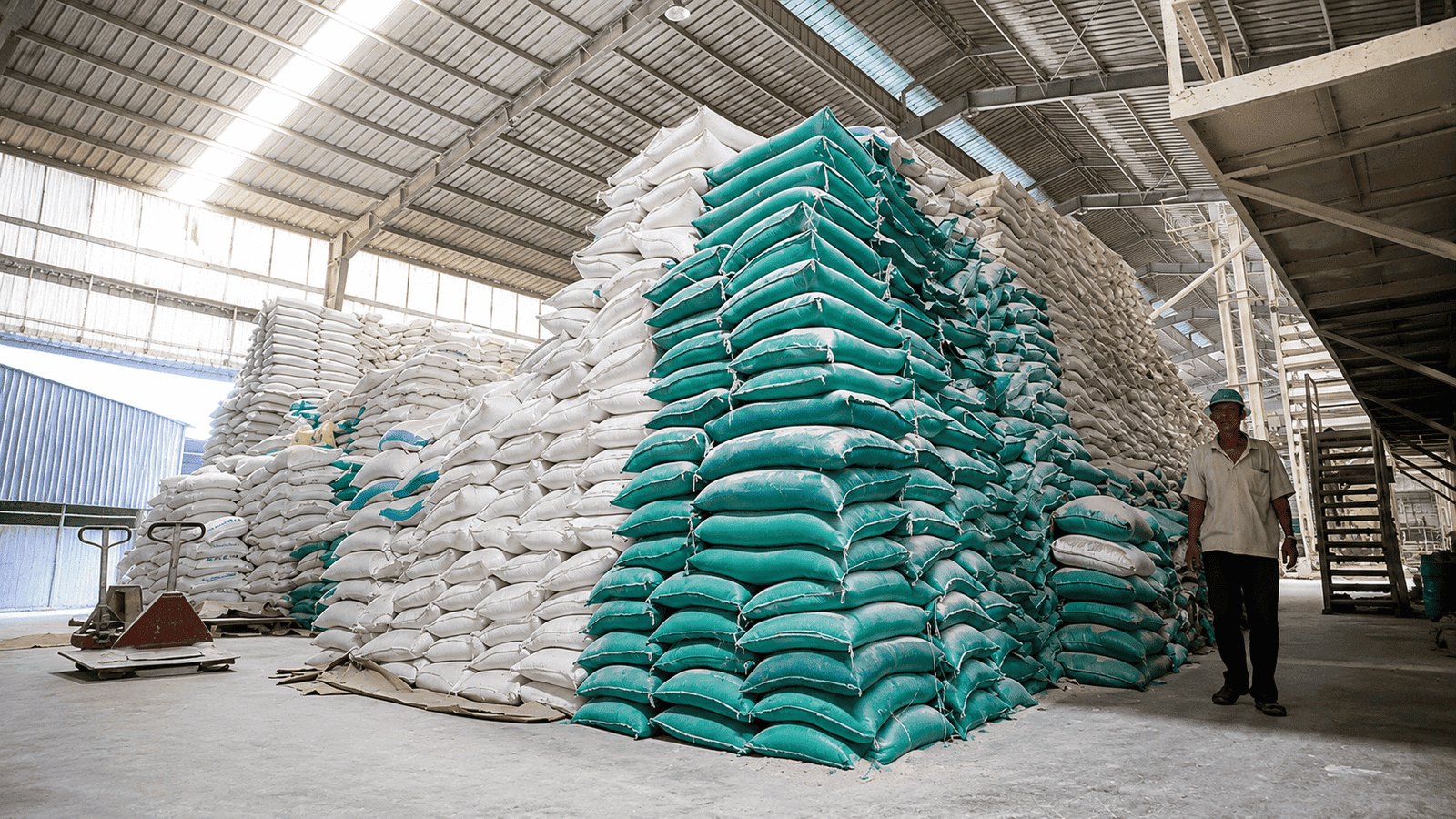
1. What Is Organic Basmati Rice Bulk Sourcing?
Organic basmati rice bulk sourcing means buying certified-organic basmati — not just any long-grain aromatic rice, but the specific rice recognized under India's Geographical Indication (GI) registration — in wholesale volumes suited to distribution, foodservice or private-label programs, rather than in retail-sized bags. Basmati itself is a legally protected name in India: since February 2016, it can only be applied to rice grown in a defined belt of the Indo-Gangetic plain, so a supplier selling "basmati" from outside that zone is not selling basmati in the strict sense, organic or otherwise.
Layer organic certification on top of that geographic protection and you get two separate promises: the grain is a genuine, GI-eligible basmati variety, and it was farmed, milled and packed without synthetic pesticides, synthetic fertilizers or GMO seed, under a documented 36-month land-transition period and a traceable organic supply chain. For a bulk buyer, both promises need to be checked independently — a shipment can be organically certified without being genuine basmati, or genuine basmati without being organic, and a serious exporter should be able to document both at once.
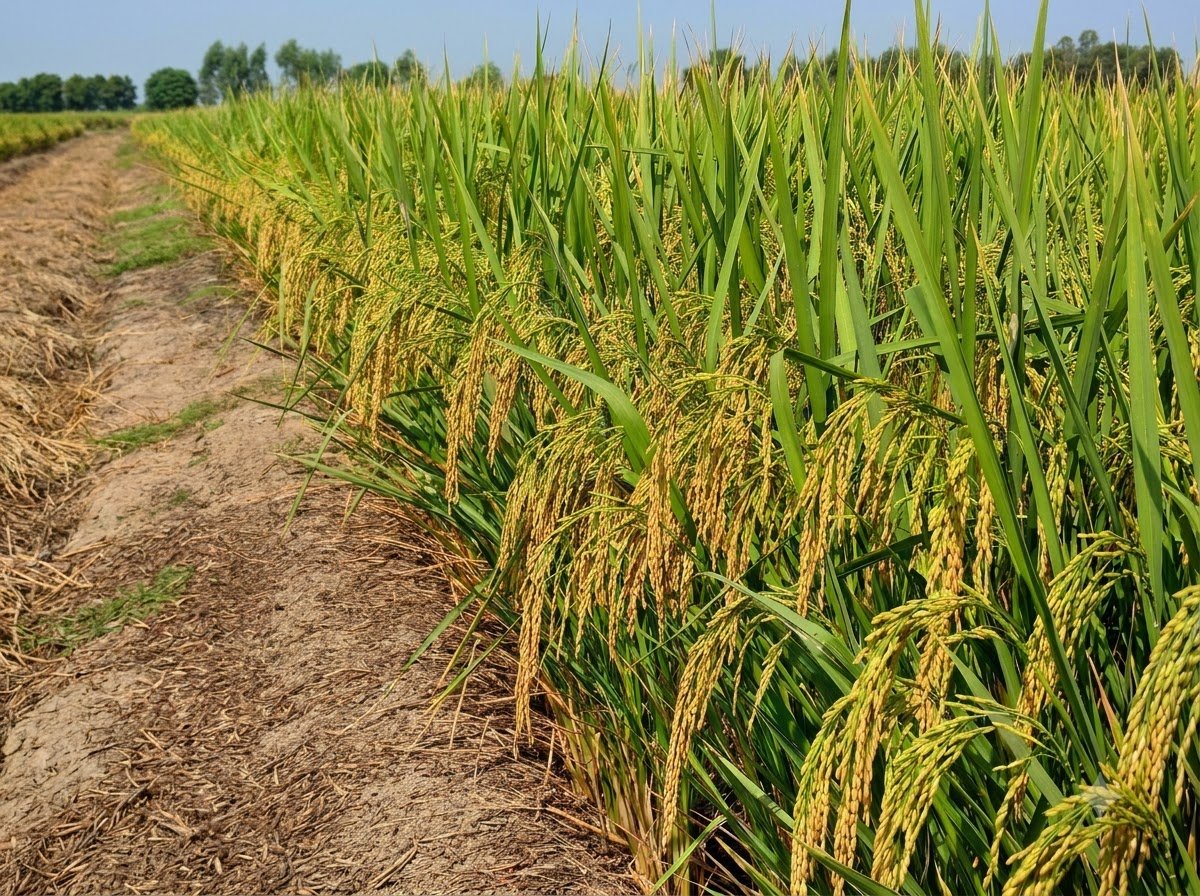
The GI registration currently covers notified districts across seven Indian states and union territories, where the combination of Himalayan snowmelt irrigation, alluvial soil and a particular day-night temperature swing during grain filling is credited with basmati's aroma and elongation. The map below is illustrative rather than exhaustive of every notified district, but it gives bulk buyers a working sense of where a genuine, GI-eligible organic basmati crop can legally be grown.
Rice may legally be sold as “Basmati” in India only if grown within these notified regions of the Indo-Gangetic plain.
GI registration was granted in February 2016 following an application by APEDA; it protects the Basmati name but is separate from — and does not by itself confer — organic certification.
India and Pakistan are the world's only two commercial basmati origins, with India accounting for the large majority of export volume. For US buyers, that means an organic basmati rice bulk program almost always starts with an Indian exporter, which makes understanding APEDA's role, alongside USDA organic rules, essential background before signing a contract.
2. Why US Buyers Source Organic Basmati Rice in Bulk
Retail-size organic basmati is easy to find; a dependable bulk pipeline is not. Distributors, foodservice groups and private-label brands source in bulk for reasons that go beyond simple volume.
Consistency across lots. A single certified farm group producing to one Internal Control System (ICS) delivers more uniform grain length, aroma and cooking behavior than aggregating small parcels from mixed sources, which matters for a restaurant chain or packaged-goods brand that cannot let quality drift batch to batch.
Direct traceability. Buying in bulk, directly from an exporter with its own mill and farm-group relationships, shortens the chain of custody between paddy and pallet, which makes it easier to trace a specific lot back to a harvest season, a certified farm group, and an aging record.
Control over aging and grade. Bulk buyers can specify a minimum aging period, a target grain length, and an acceptable broken-grain percentage in the purchase contract, something that is rarely possible when buying finished retail bags off a shelf.
Private-label flexibility. Bulk basmati in plain PP-woven or FIBC bags can be repacked, blended into ready meal kits, or run through a co-packer's own retail packaging line under the buyer's brand, which a sealed retail bag does not allow.
Growing organic demand. As US grocery and foodservice buyers continue to prioritize clean-label pantry staples, basmati's status as a premium, recognizably distinct rice category makes an organic version a natural extension of an existing basmati or specialty-grains line, rather than an entirely new SKU to introduce to shoppers.
3. Organic Basmati Varieties & Grades for Bulk Buyers
Not every basmati grain is the same, and the variety behind a bulk order shapes grain length, aroma intensity, cooking time and cost of production. Six categories cover most of what US bulk buyers encounter.
Pusa Basmati 1121 is the variety behind most of today's global bulk basmati trade. Bred at ICAR-IARI and released commercially in 2003, it combines an extra-long milled grain with an unusually high cooked-kernel elongation, making it the default choice for exporters chasing consistent, dramatic grain length. Traditional Basmati 370, sometimes called Dehradun or Type-3 basmati, is one of the oldest named basmati cultivars and is generally regarded as having the most classic aroma profile, though its lower yield per acre makes it a smaller, more specialized part of the organic bulk market. Pusa Basmati 1 was the first widely grown "evolved" basmati variety, bred to shorten the traditional crop's long growing season while retaining core basmati traits. Basmati 1509 is a newer, early-maturing variety that offers good grain length and elongation on a shorter cultivation cycle, making it attractive to exporters balancing volume with quality. Basmati Sella is parboiled basmati — steamed and partially cooked in the husk before milling — which produces firmer, less sticky grains that hold up well in high-volume catering and biryani production. Organic Brown Basmati is any of the above varieties milled only to remove the husk, keeping the bran layer intact for a nuttier flavor and higher fiber content.
| Variety | Milled Grain Length | Cooking Style | Best Suited For |
|---|---|---|---|
| Pusa Basmati 1121 | ~8.3–9.0 mm | Raw / white, high elongation | Private label, bulk export, biryani |
| Traditional Basmati 370 | ~7.0 mm | Raw / white, classic aroma | Premium, aroma-led SKUs |
| Pusa Basmati 1 | ~7.6–7.8 mm | Raw / white | Everyday wholesale programs |
| Basmati 1509 | ~7.8–8.0 mm | Raw / white, early maturing | Value bulk & blended lines |
| Basmati Sella (Parboiled) | Varies by base variety | Parboiled, firm & separate | Catering, institutional kitchens |
| Organic Brown Basmati | Varies by base variety | Bran intact, nuttier | Health-focused bulk SKUs |
Most US bulk buyers standardize on one or two of these varieties rather than stocking all six — typically Pusa Basmati 1121 for volume and consistency, paired with Traditional Basmati 370 or Basmati Sella for a premium or foodservice-specific line.
4. Grain Length, Elongation & Cooking Performance
Elongation — how much longer a grain grows when cooked compared with its raw milled length — is the single most-cited quality marker in the basmati trade, because it drives the dramatic, separate-grain look buyers associate with premium biryani and pulao. The chart below compares typical raw and cooked grain lengths across the varieties covered above.
Bar length is scaled to a 24 mm maximum. Elongation ratio = cooked length ÷ raw milled length.
Figures are typical published ranges from variety trials and industry sources; actual elongation varies with crop year, aging and cooking method, so always request a pre-shipment cooking test for your specific lot.
A bran layer, as on organic brown basmati, restrains elongation somewhat compared with the same variety milled white, which is worth factoring in if a health-positioned SKU needs to visually match a white basmati product line. Nutritionally, basmati sits close to other long-grain rice: it is naturally gluten-free at every milling level, and aged white basmati has a moderate-to-high glycemic index compared with brown basmati, which retains more fiber and digests somewhat more slowly. None of this changes with organic certification, which governs how the rice was grown, not its inherent nutrition.
5. Why Aging Matters for Bulk Basmati Orders
Freshly milled basmati, organic or otherwise, is sticky, slightly gummy on cooking and only mildly aromatic. Aging the milled rice in ventilated silos or warehouses for a period after harvest hardens the starch structure, reduces surface moisture and lets the natural aroma compound 2-acetyl-1-pyrroline develop more fully, which is why virtually every serious basmati export contract specifies a minimum age rather than accepting rice straight off the mill.
Longer aging generally improves elongation and aroma, up to a point, provided moisture and pest control remain well managed.
Aging benchmarks are general industry practice rather than a regulated standard; specify the exact minimum age, in months from harvest, directly in the purchase contract.
For bulk buyers, aging is also a documentation question, not just a quality one: ask the exporter for the harvest date and the date the rice entered aging storage, not just a verbal claim of "aged basmati," and factor aging time into lead-time planning since well-aged stock is not always available on demand in every variety.
6. USDA Organic, NPOP, APEDA & GI Compliance for US-Bound Shipments
Certifying bulk organic basmati for the US market is more involved than certifying it for India's domestic market or for the EU, and a detail that trips up newer buyers deserves emphasis: NPOP certification through an APEDA-accredited certifying body is no longer, on its own, sufficient to sell rice as organic in the United States. The USDA ended its recognition agreement with APEDA in January 2021, with the transition period closing in July 2022. Since then, every operation in the supply chain — farm group, mill and exporter — must hold certification directly from a USDA-accredited certifying agent, and each shipment must travel with an electronic NOP import certificate. NPOP remains fully valid for India's own market and for the EU, where equivalency has applied since 2006, but it is a separate certification track from USDA NOP.
Basmati exporters have an additional, basmati-specific compliance layer that non-basmati rice exporters only recently gained in September 2025: mandatory registration of every export contract with APEDA before a shipment can clear customs. Because this has applied to basmati for years, an established basmati exporter should already have this workflow built into its process, unlike some non-basmati exporters who are only now adapting to it.
Six checkpoints a bulk organic basmati shipment passes through before it can legally clear US customs.
Ask any prospective supplier to walk you through each checkpoint with named certifiers and certificate numbers — a supplier who cannot do this in detail is not ready for US-bound bulk orders.
Labeling still follows 7 CFR 205.300–205.307: a shipment with no non-organic ingredients added during milling or packing can generally carry the "100% organic" claim and the USDA seal, while anything below 95 percent organic content is restricted to a "made with organic rice" statement without the seal. Keep the full document set on file for at least five years in case of a USDA NOP compliance audit.
7. Export Grades & Quality Parameters for Bulk Contracts
Basmati export contracts are typically written against a specific quality grade rather than a variety name alone, since even the same variety can vary lot to lot. The table below outlines common export-grade conventions bulk buyers can use as a starting point for their own contract specifications.
| Parameter | Premium / Extra-Long Grade | Standard Export Grade |
|---|---|---|
| Average Kernel Length (raw, milled) | 8.0 mm and above | 7.0–7.9 mm |
| Broken Grains (max.) | 2% | 5% |
| Foreign Matter (max.) | 0.1% | 0.5% |
| Moisture (max.) | 12% | 13% |
| Chalky / Immature Grains (max.) | 2% | 4% |
| Damaged & Discolored Grains (max.) | 0.5% | 1% |
These tolerance bands reflect common export-grade conventions in the basmati trade rather than a single official legal standard; every bulk contract should state its own agreed specification, sampling method and referee-lab procedure, since terms vary by buyer, certifying body and destination market.
8. How to Verify a Bulk Organic Basmati Rice Shipment Before You Pay
Paperwork can look complete and still hide a mismatch between what was ordered and what is about to be loaded. Before releasing final payment on a bulk organic basmati order, work through the following checks.
- Request the full certificate set. Ask for the mill's and exporter's NPOP certificate, a direct USDA-accredited NOP certificate, and current APEDA Basmati export registration — not an NPOP certificate presented as if it alone were sufficient for the US.
- Ask for a DNA purity report. Request an independent lab report confirming the grain matches a notified Basmati variety and has not been blended with non-basmati long-grain rice, alongside pesticide-residue screening.
- Request a pre-shipment sample and cooking test. Verify elongation, aroma, moisture and broken-grain percentage against the agreed grade before the container is sealed, not after it lands.
- Confirm the lot's aging duration in writing. Ask for the harvest date and the date the rice entered aging storage so the age matches what was quoted.
- Verify the NOP transaction certificate number. Cross-check the electronic NOP import certificate against the official record before the shipment leaves origin.
- Review the phytosanitary certificate and packing list together. Match bag counts, net weight and lot numbers across every document before wiring final payment.
9. Bulk Packaging, MOQ & Container Loading
Bulk organic basmati moves in a smaller set of formats than retail rice, chosen for handling efficiency and organic-integrity segregation rather than shelf appeal.
Illustrative order-format mix across recent bulk inquiries — actual mix varies by buyer and destination channel.
FIBC share rises for co-packers and large institutional buyers; private-label pouch share rises for retail-ready programs with their own printed packaging.
Minimum order quantity. Wholesale MOQ for certified organic basmati typically starts around 1 metric ton, with better per-container economics reached as an order approaches a full container load. Private-label runs generally require a higher minimum than stock-bag orders because of dedicated printing-plate and packaging-film setup.
Container loading. A standard 20-ft container typically carries in the range of 18–22 metric tons of bagged basmati, while a 40-ft container typically carries 25–28 metric tons, depending on bag size and stowage. FIBC jumbo bags reduce handling steps and pallet count per metric ton compared with smaller bag formats.
Lead times. From a confirmed purchase order to vessel sailing, stock-inventory orders typically move in 4–6 weeks, while private-label production, including milling, aging verification, packaging and export documentation, typically takes 8–10 weeks.
10. Importing Bulk Organic Basmati Rice Into the United States
FDA Prior Notice
Under the Bioterrorism Act, prior notice must be filed electronically through FDA's Prior Notice System Interface (PNSI) or via ABI/ACE before the shipment arrives at a US port, generally no earlier than 30 days and no later than the shipment being en route. Basmati rice typically falls under FDA Product Code 34 — Cereal Preparations / Rice.
HS & HTS Codes
At the international six-digit level, milled basmati falls under HS heading 1006.30 (semi-milled or wholly milled rice) alongside other milled rice. At the US ten-digit HTS level, classification gets more specific: milled (white) basmati is generally declared under statistical suffixes within 1006.30.90, which includes a dedicated long-grain Basmati line; husked (brown) basmati falls under 1006.20.20, which carries its own certified-organic statistical suffix separate from non-organic brown basmati; and parboiled (Sella) basmati is generally declared under 1006.30.10. Confirm the exact statistical suffix and current duty treatment for your product and country of origin with a licensed customs broker, since tariff schedules and trade-preference programs are revised periodically.
USDA Organic Compliance
As covered in Section 6, the shipment must be accompanied by an electronic NOP import certificate issued by a USDA-accredited certifying agent, and the importer or first US recipient handling the product generally needs a certified organic handling system of its own, or must operate under one, to keep the organic chain of custody intact after the container is unloaded.
APEDA & DNA Purity Documentation
Because basmati exporters must register contracts with APEDA before shipment, and because the GI protection makes variety authenticity a live commercial issue, a DNA-based purity report confirming the consignment matches a notified Basmati variety is standard supporting documentation for a serious bulk order, in addition to the organic paperwork.
Phytosanitary Certificate
A government-issued phytosanitary certificate from India's plant protection organization confirms the rice is free from quarantined pests. The original accompanies the shipment, and US Customs and Border Protection (CBP) and USDA APHIS review it at the port of entry.
Port of Entry & Customs Clearance
Major US entry points for bulk rice include the Port of New York/New Jersey, Los Angeles/Long Beach, Houston, Savannah and Oakland. A formal CBP entry is filed via ACE with the commercial invoice, packing list, bill of lading, phytosanitary certificate, NOP import certificate and FDA prior notice confirmation on hand; FDA and CBP may sample the shipment for pesticide or microbiological screening before release.
11. How to Choose a Reliable Bulk Organic Basmati Rice Supplier
Certification paperwork narrows the field, but a handful of practical checks separate a supplier ready for recurring US bulk orders from one that is not.
12. Frequently Asked Questions
Common questions from US distributors, foodservice buyers and private-label brands evaluating organic basmati rice bulk sourcing.
It means basmati rice — a long-grain aromatic variety grown in the Indo-Gangetic plains — that has been cultivated, milled and packed under a certified organic program, and offered in wholesale volumes rather than retail-size bags. For a shipment to carry both claims, it needs organic certification that is valid for the US market and a supply chain built for container-scale order quantities, not just a single certified farm producing a few tons a year.
MOQ depends on the packaging format. Most exporters set a starting wholesale MOQ around 1 metric ton for standard PP-woven bag orders, with better per-container efficiency once an order approaches a full 20-ft or 40-ft load. Private-label runs, which require dedicated printing plates and packaging film, typically carry a higher minimum than stock-bag orders. Exact minimums vary by exporter and should be confirmed directly. Request a bulk quote here.
It depends on the end use. Pusa Basmati 1121 dominates global bulk trade because of its exceptional elongation and consistent cooking performance, making it a safe default for private label. Traditional Basmati 370 is prized by buyers chasing the most classic aroma, though it is harder to source at volume. Basmati 1509 sits between the two: a shorter cultivation cycle, good grain length, and a reliable middle-ground choice for blended or value private-label lines.
Reputable exporters run DNA-based variety testing to confirm the consignment matches a notified Basmati variety and has not been blended with non-basmati long-grain rice, alongside pesticide-residue and heavy-metal screening required for the organic claim. Buyers should request this documentation lot by lot, rather than relying on the exporter's general certification alone.
Freshly milled basmati is sticky and only mildly aromatic. Most bulk buyers ask for a minimum of about 12 months of aging, with 18-24 months considered well-aged and preferred for premium biryani and pulao applications. Rice aged 36 months or more is sometimes marketed as vintage or “old rice” and shows the strongest aroma and elongation, though very old stock should still be checked for moisture and pest control.
Standard wholesale formats include 25 kg and 50 kg food-grade PP-woven bags, 1 metric ton FIBC jumbo bags for co-packers and large institutional buyers, and custom private-label pouches for retail-ready programs. All packaging used for a certified organic shipment must be new, food-grade and free of any prohibited-substance treatment.
Confirm that the farm, mill and exporter hold direct USDA National Organic Program certification from a USDA-accredited certifying agent — NPOP certification through an APEDA-accredited body alone is no longer sufficient for the US market, since USDA ended that recognition arrangement in 2021. Also request the electronic NOP import certificate for the specific shipment, current APEDA Basmati export registration, a DNA purity report, and a government-issued phytosanitary certificate.
Once a container leaves an Indian port, ocean transit to the US East Coast generally runs about four to five weeks, with routings via other gateways sometimes faster depending on the shipping line and transshipment point. Add lead time at origin for milling, aging verification, documentation and container booking, which typically extends the full order-to-arrival timeline well beyond the transit time alone.
13. Conclusion
Sourcing organic basmati rice in bulk means verifying two independent claims at once — genuine, GI-eligible basmati, and organic cultivation and handling that is actually valid for the US market — then layering on the practical questions of variety, grain grade, aging, packaging and documentation that determine whether a container clears customs smoothly or sits at port while paperwork is sorted out.
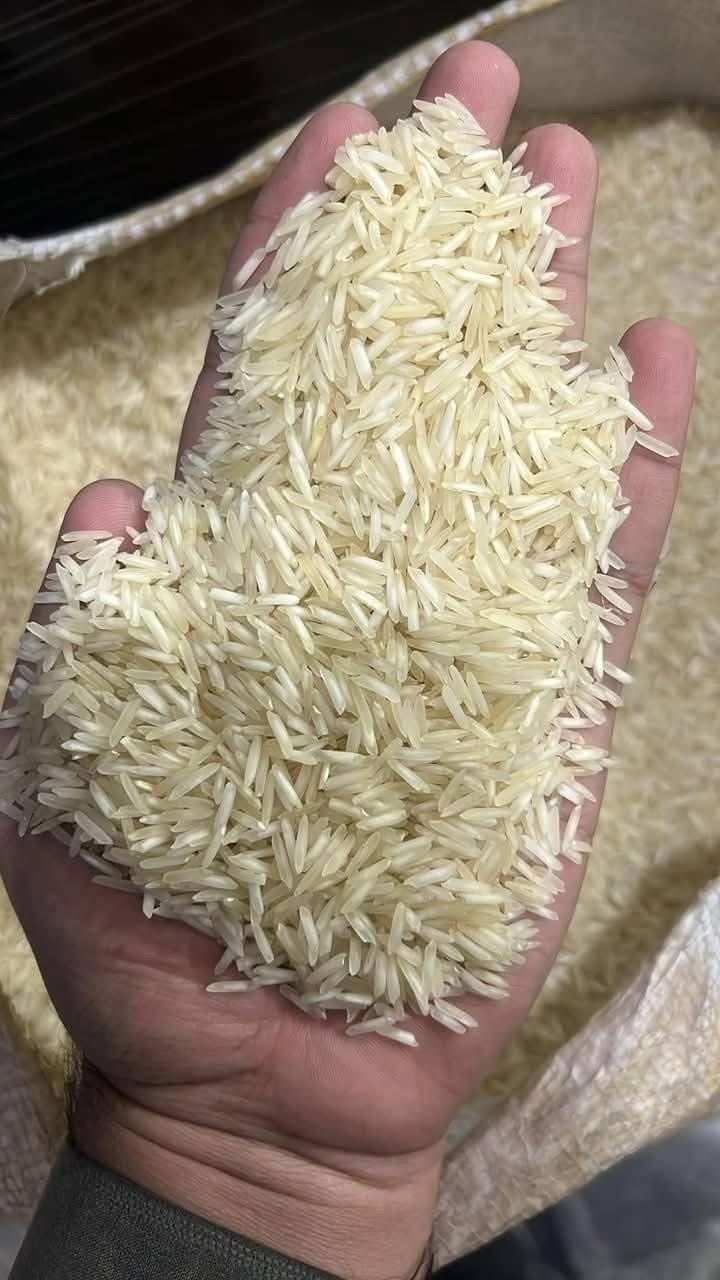
The buyers who get the best long-term results are the ones who treat certification, purity testing and aging documentation as non-negotiable parts of the contract, not paperwork to be requested after the fact. If your business is ready to source certified organic basmati rice at bulk volumes, our export desk can walk through variety selection, grading, packaging and full USDA NOP, NPOP and APEDA documentation for your specific order.
Ready to Source Organic Basmati Rice in Bulk?
Get a tailored sourcing plan with full USDA NOP, NPOP, APEDA & GI documentation. Our export desk responds to all US buyer inquiries within one business day.