
1. What Is Organic Brown Rice Bulk Sourcing?
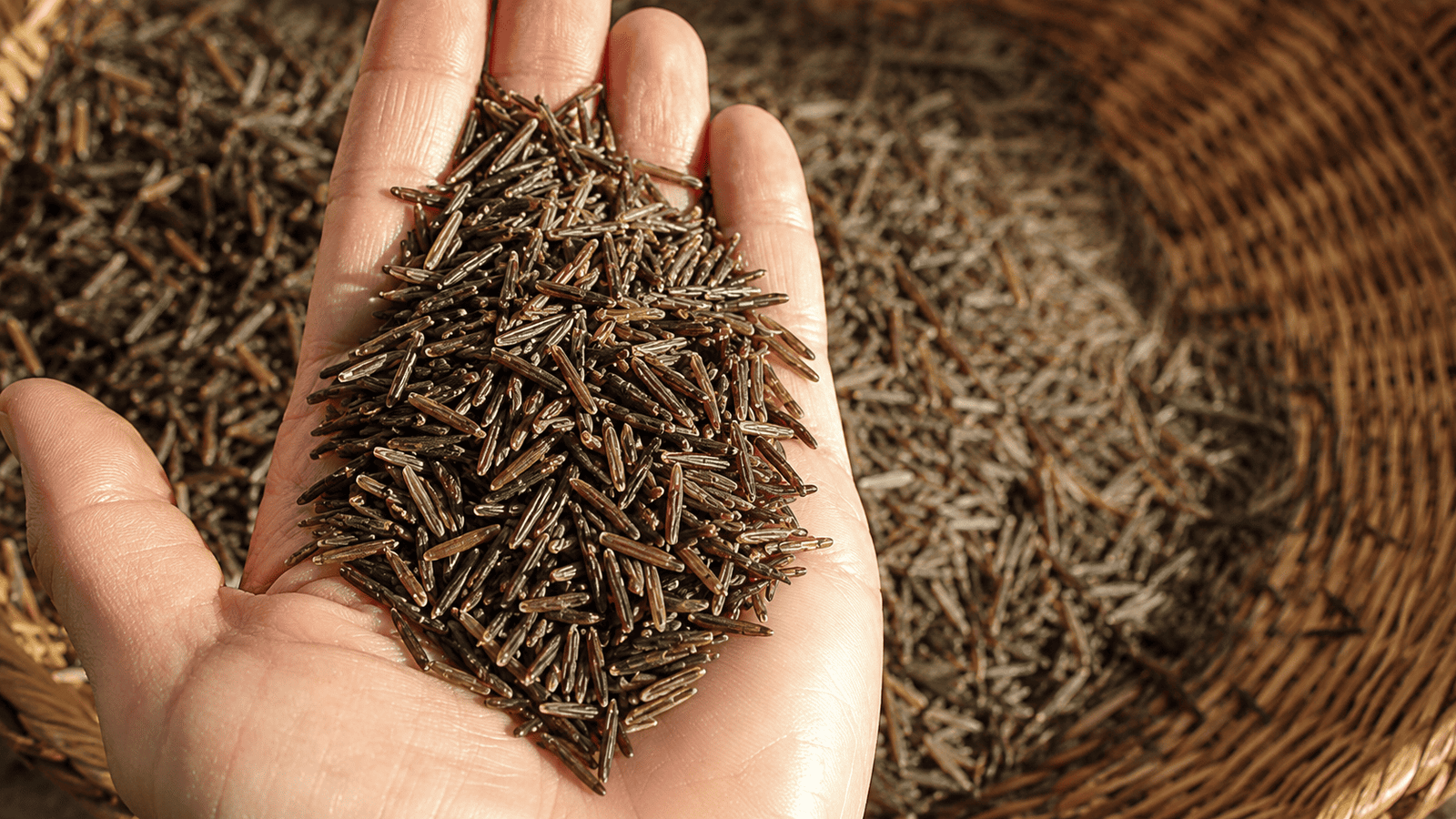
Organic brown rice is whole-grain rice that has been husked to remove only the inedible outer hull, leaving the bran layer and germ fully intact. Unlike white rice, it is never polished or milled further, which is why it keeps its characteristic tan color, firmer bite, and nutty flavor. When buyers search for organic brown rice bulk, they are almost always looking for this whole-grain profile at wholesale volumes rather than a single retail-sized bag.
“Bulk” sourcing describes a different buying motion than retail shopping. It is the format used by food distributors, importers, co-packers, institutional kitchens, cereal and snack manufacturers, and private-label grocery brands that need a dependable, traceable supply of a single organic commodity rather than a few pounds at a time. This guide is written for that audience: procurement managers, supply-chain leads, and buyers evaluating organic brown rice bulk as a line item in a purchase order rather than a grocery list.
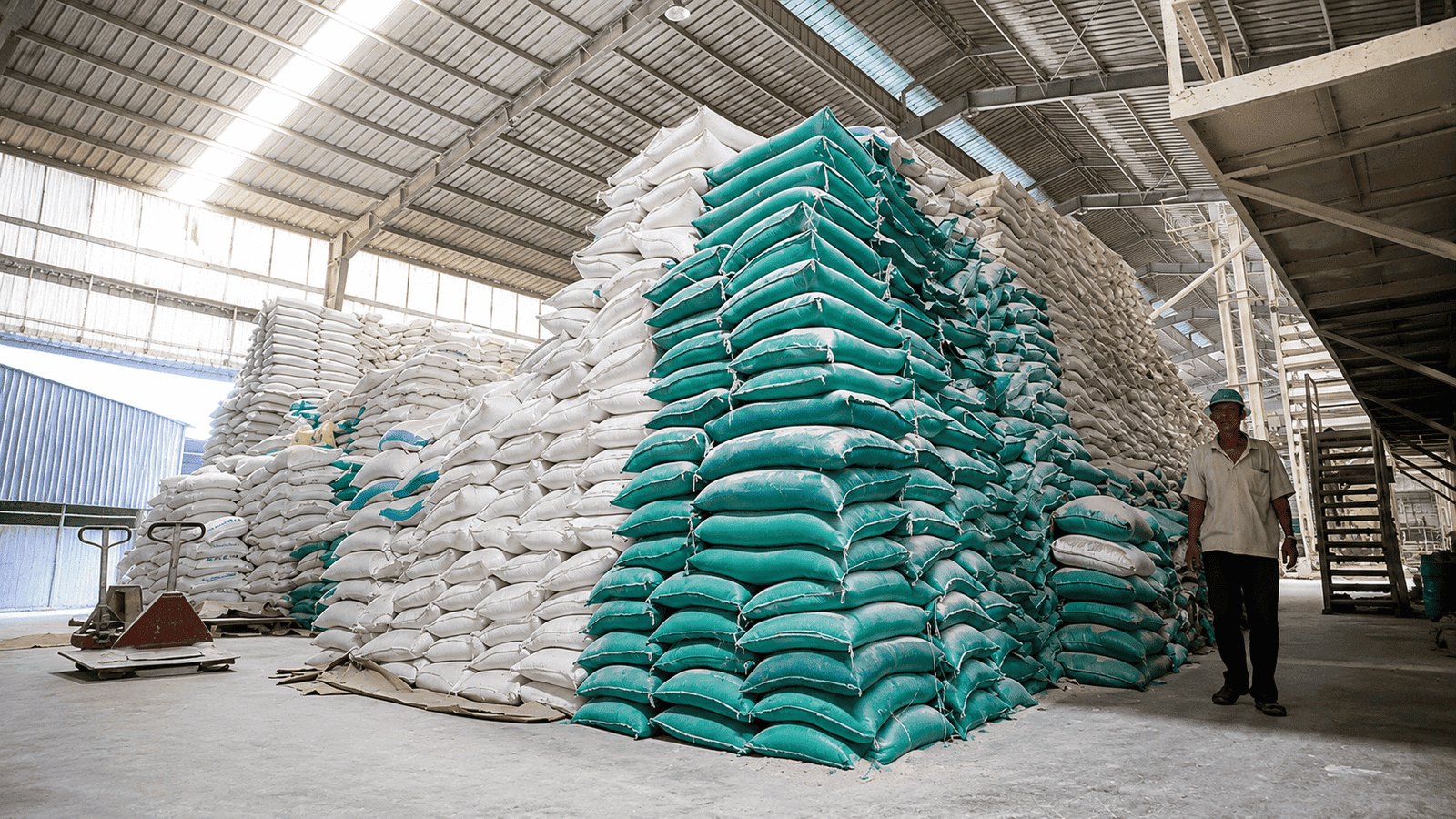
For a shipment to legally carry the word “organic” into the United States, the rice must be grown without synthetic pesticides, herbicides, or chemical fertilizers for a minimum of three years before harvest, and it must move through a documented, segregated supply chain from farm to export. In practice, that means certification under the USDA National Organic Program (NOP), typically achieved through India’s National Programme for Organic Production (NPOP), which the USDA recognizes as equivalent. At bulk volumes, this paperwork is not a formality — it is the backbone of the transaction, since a single container of organic brown rice bulk represents thousands of retail units all resting on one certified chain of custody.
2. How Organic Brown Rice Is Grown & Processed
Non-basmati organic brown rice destined for bulk export is grown across a wider swath of India’s rice belt than the Himalayan-foothill basmati zone. Key growing regions include West Bengal, Chhattisgarh, Odisha, and Andhra Pradesh, along with select organic pockets in Punjab and Haryana. Common long- and medium-grain cultivars grown organically for the bulk market include Sona Masuri, Swarna, IR-64, and PR-106 — varieties chosen for consistent yield, cooking behavior, and availability at the scale bulk buyers require.
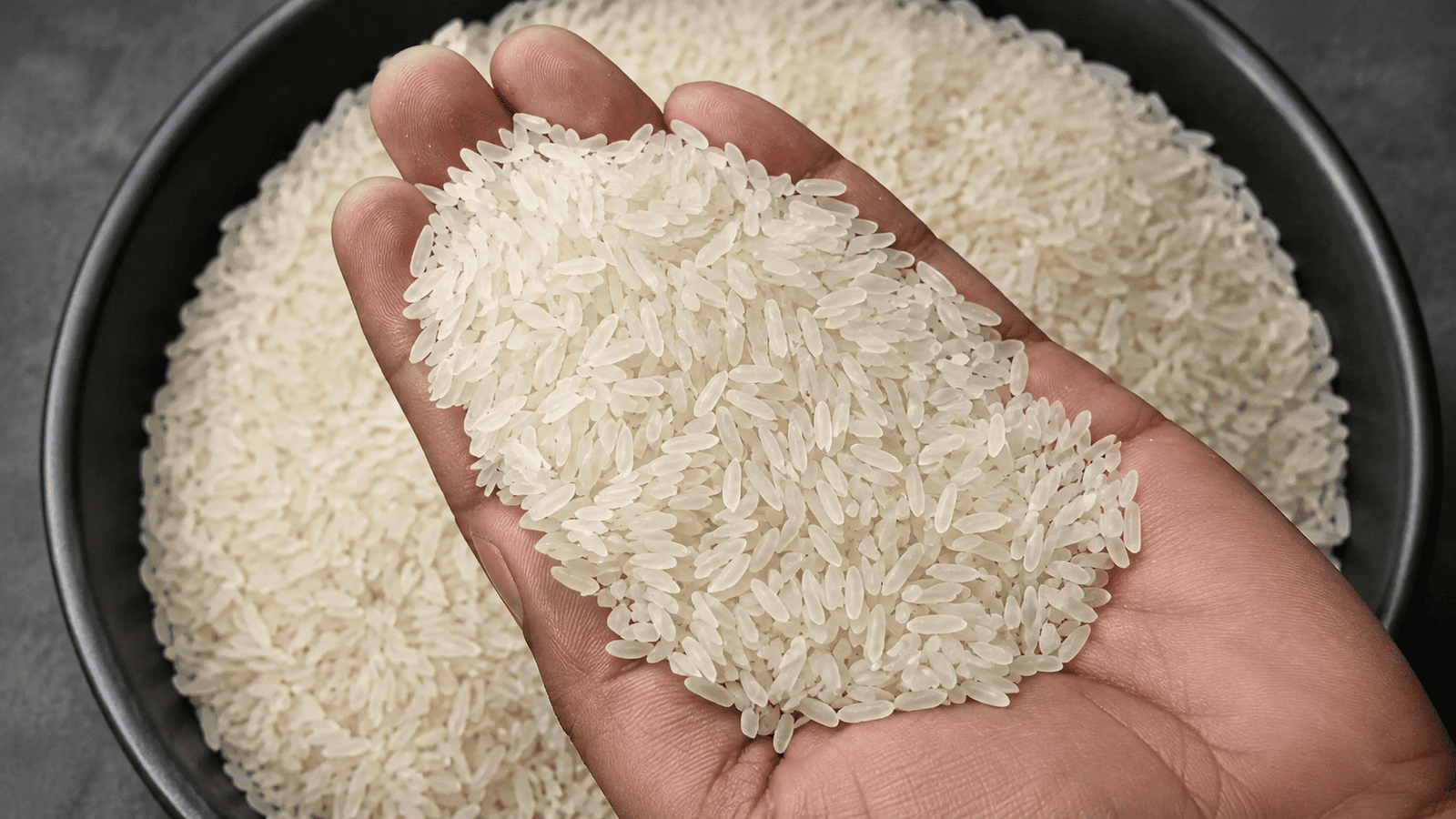
Organic cultivation begins with a mandatory transition period: fields must be free of prohibited inputs for at least 36 months before the first certified harvest, with buffer zones of 8–10 meters separating organic paddies from conventional neighbors. Soil fertility comes from crop rotation with legumes, green manures, composted farmyard manure, and biofertilizers, while pests are managed through light traps, pheromone traps, neem-based formulations, and conservation of natural predators — the same non-chemical toolkit organic rice farmers across India rely on regardless of variety.
Processing is where brown rice diverges sharply from white rice. After harvest and sun-drying to roughly 12–13 percent moisture, the paddy passes through a rubber-roll sheller that removes only the husk. An aspirator and gravity separator strip out husk fragments and unhulled paddy, and optical color sorters remove discolored or damaged kernels. Critically, the rice is not sent through the whitening cones and polishing rollers used for white rice — that step is what would strip away the bran and germ that give brown rice its nutrition and texture.
Because that bran layer contains natural oils, organic brown rice bulk does not benefit from the long aging cycles used for basmati. Freshness at the point of milling matters more than months in a silo. Bulk buyers should request the milling date on every lot and prioritize suppliers who bag and ship close to that date rather than pulling from aged inventory.
3. Nutritional Profile of Organic Brown Rice
Because the bran and germ remain intact, organic brown rice carries meaningfully more fiber, protein, and micronutrients than milled white rice. A 100-gram raw serving provides roughly 370 kcal, 77 g of carbohydrate, 7.9 g of protein, 2.9 g of fat, and 3.5 g of dietary fiber — more than three times the fiber found in an equivalent serving of regular milled white rice. The chart below breaks down where those calories come from and highlights the minerals concentrated in the bran layer.
Share of total calories contributed by each macronutrient in Organic Brown Rice Bulk, typical values, USDA FoodData Central.
Percentages reflect share of total calories (Atwater factors); fiber is a subset of total carbohydrate shown separately for reference. Values are typical ranges and will vary slightly by crop year and cultivar.
For bulk buyers building nutrition panels or private-label claims, this profile supports “whole grain” labeling and, depending on serving size, “good source of magnesium” or “good source of manganese” claims under FDA labeling rules (21 CFR 101). Always confirm final claim language against the specific lot’s certificate of analysis rather than these representative figures.
4. Organic Brown Rice vs Other Bulk Rice Varieties
Bulk buyers evaluating organic brown rice often need to weigh it against organic white rice, parboiled brown rice, and specialty varieties like red and black rice. The right choice depends on shelf-life tolerance, cook time in your kitchen or plant, and the label claims you want to support.
| Variety | Milling Degree | Typical Bulk Shelf Life | Moisture Spec | Best Bulk Use |
|---|---|---|---|---|
| Organic Brown Rice | Husked only, bran & germ intact | 12–24 months | 12–13% | Whole-grain retail, health-focused foodservice |
| Organic White Rice | Fully milled & polished | 24–36 months | 12–13% | High-volume foodservice, long-haul export |
| Parboiled Brown Rice | Steamed pre-milling, husked | 18–30 months | 11–12% | Institutional kitchens needing firm texture |
| Red Rice | Husked only, bran intact | 10–18 months | 12–13% | Specialty retail, ancient-grain blends |
| Black (Forbidden) Rice | Husked only, bran intact | 10–18 months | 12–13% | Premium retail, antioxidant-marketed SKUs |
Organic white rice will always out-store organic brown rice in a warehouse, which is why many bulk buyers split their program: white rice for long-lead, high-turnover foodservice lines, and organic brown rice bulk for whole-grain retail SKUs and health-positioned menu items where turnover is planned within a shorter window. Parboiled brown rice sits in between — the steaming step partially gelatinizes the starch, giving it a firmer texture and modestly longer bulk shelf life than raw brown rice while keeping the bran layer intact.
5. USDA Organic Certification for Bulk Buyers
“Organic” is a legally defined claim under the USDA National Organic Program (NOP), governed by 7 CFR Part 205. To be sold as organic brown rice bulk in the United States, every operation that grows, mills, handles, or repacks the rice must be certified under the NOP or an equivalent recognized system. India’s NPOP is recognized by USDA as equivalent for production and handling, so reputable exporters typically hold both NPOP certification (via accredited certifiers such as Lacon, Ecocert, Control Union, or SGS) and USDA NOP certification through those same certifiers’ NOP-accredited arms.
Before accepting a bulk shipment, buyers should request and verify:
- Valid organic certificates for the producer group, the mill, and the exporter, covering the full chain of custody
- An organic transaction certificate (OTC) or NOP transaction certificate specific to the shipment lot
- A lot traceability report linking the shipment back to the certified organic farm group and milling batch
- Confirmation of the “Certified Organic by [certifier]” statement required on any retail packaging carrying the USDA organic seal
One nuance that matters more for bulk than for finished retail imports: if your business repacks, re-bags, or blends organic brown rice bulk domestically — for example, splitting a 1 MT jumbo bag into 25 lb retail pouches — that repacking activity counts as “handling” under the NOP. Your own facility must then hold organic handler certification, separate from the exporter’s certification, or the finished product loses its organic status. Importers and distributors must retain all supporting organic records for at least five years and make them available for USDA NOP compliance audits.
6. Health Benefits & Safety of Organic Brown Rice
The bran layer that survives milling is responsible for most of brown rice’s nutritional advantage over white rice: more dietary fiber for digestive health and satiety, more protein per serving, and a meaningfully lower glycemic response.
Each gauge needle marks where that rice sits on the 0–100 GI scale. Lower GI means a slower blood-sugar response.
GI values are typical ranges from published studies; actual GI varies with cultivar, cooking method, and cooling. Organic brown rice bulk consistently lands in the low band, making it a common choice for diabetic-friendly and lower-GI product lines.
The bran also carries phenolic antioxidant compounds and a denser concentration of B vitamins, magnesium, manganese, and selenium than white rice retains after polishing. Like all true rice, organic brown rice is naturally gluten-free, which matters for buyers building gluten-free retail or foodservice programs — though the milling and packing facility should still maintain documented gluten-free handling procedures to prevent cross-contamination.
One safety topic bulk buyers should understand clearly: all rice, organic or conventional, naturally absorbs trace arsenic from soil and irrigation water, and brown rice generally carries more than white rice because arsenic concentrates in the bran layer that white rice has milled away. This is a soil-and-water issue, not a pesticide issue, so organic certification does not by itself lower arsenic levels — it addresses a completely separate concern.
Illustrative positions on a 0–200 ppb scale, shown against the FDA action level set for infant rice cereal.
Figures are illustrative typical ranges, not lab results for any specific lot. Bulk buyers should request a current third-party heavy-metals test certificate for each shipment rather than relying on category averages.
7. How to Cook Organic Brown Rice in Bulk
Organic brown rice bulk behaves differently in a commercial kitchen than white rice: it needs more water and a longer, gentler simmer because the intact bran slows water absorption into the starchy interior. Foodservice teams switching a menu line from white to organic brown rice bulk should plan for roughly double the cook time.
Ring size scales with relative water volume — the outer ring uses the most water, the center circle the least.
Pressure
Cooker
Ratios are by volume. Soaking organic brown rice bulk for 30 minutes before cooking can shorten stovetop simmer time by roughly 5–10 minutes.
Step-by-step: stovetop absorption method, scaled for bulk
- Rinse. Rinse the organic brown rice in a fine-mesh strainer or bulk rinse basket under cold water until the runoff runs mostly clear, clearing dust and loose starch picked up during bulk handling and transport.
- Measure. Use a 1:2 ratio of rice to water by volume as your baseline. Add roughly ½ teaspoon of salt and 1 teaspoon of oil or butter per cup of dry rice, scaled to batch size.
- Boil. Bring the pot to a full rolling boil, uncovered, over high heat.
- Simmer. Reduce to the lowest simmer, cover tightly, and cook undisturbed for 35–45 minutes. Lifting the lid releases steam and slows the absorption process, so resist checking early.
- Rest. Remove from heat and let the covered pot rest for 10 minutes so trapped steam finishes softening the grain evenly.
- Fluff. Fold gently with a paddle or fork to separate the grains before holding for service or portioning into storage containers.
For yield planning: one 25 kg bag of raw organic brown rice bulk yields approximately 60–65 kg of cooked rice — roughly 500 to 600 half-cup (100 g) cooked servings, depending on cooking method and portion size. This is a useful benchmark for foodservice buyers estimating how far a bulk order will stretch across a menu cycle.
8. Importing Organic Brown Rice Bulk into the USA
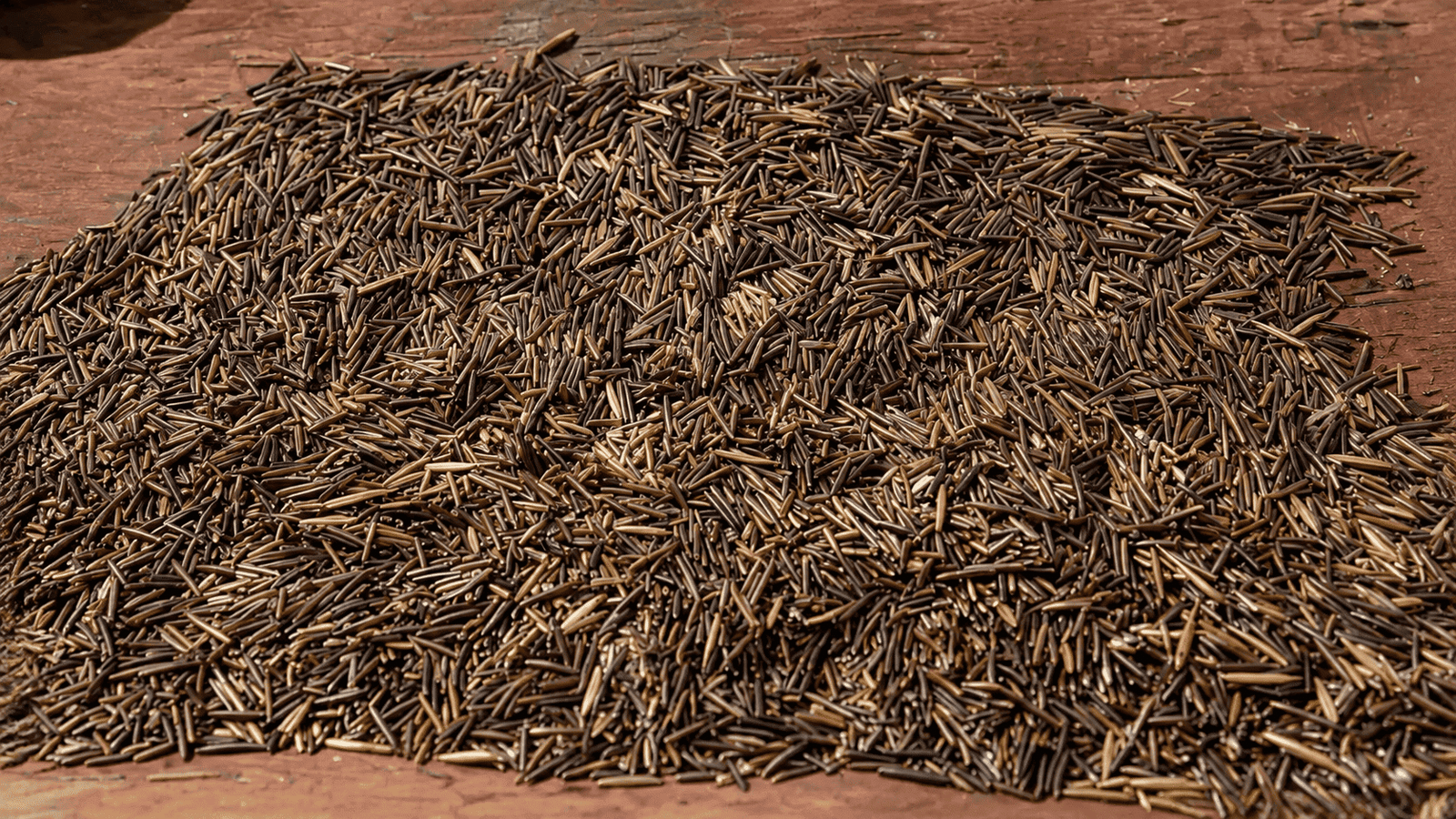
Bringing organic brown rice bulk into the United States requires coordinated compliance across several federal agencies. Understanding each step in advance helps importers and distributors avoid port holds and last-minute certification gaps.
FDA Prior Notice
Under the Bioterrorism Act, prior notice must be filed electronically through FDA’s Prior Notice System Interface (PNSI) or via ABI/ACE before the shipment arrives at the US port, typically no earlier than 30 days and no later than the time the shipment is en route. Husked rice for bulk import generally falls under FDA Product Code 34 — Cereal Preparations / Rice.
USDA Organic Compliance
Every bulk shipment must be accompanied by an NOP transaction certificate issued by a USDA-accredited certifier. The importer or first US recipient must also be certified organic under NOP, or operate under a certified organic system plan documenting handling, storage, and segregation of the organic rice from any conventional inventory in the same facility.
Phytosanitary Certificate
A phytosanitary certificate issued by India’s Plant Protection Organization confirms the consignment is free from quarantined pests. The original document accompanies the shipment and is reviewed by US Customs and Border Protection (CBP) and USDA APHIS at the port of entry.
APEDA Export Registration
India’s Agricultural and Processed Food Products Export Development Authority (APEDA) regulates general rice exports. Unlike basmati, non-basmati organic brown rice does not require DNA-based purity testing or registration through the Basmati Export Tracking System, but exporters must still hold a valid APEDA Registration-cum-Membership Certificate (RCMC) and issue a Certificate of Origin for each shipment.
HS Code & Duties
Husked, unmilled brown rice generally falls under Harmonized System code 1006.20. Most-favored-nation (MFN) duty rates vary by trade agreement and are updated periodically, so importers should confirm current rates with their customs broker before finalizing landed-cost calculations.
Port of Entry & Customs Clearance
Major US entry points for bulk rice include the Port of New York/New Jersey, Los Angeles/Long Beach, Houston, Savannah, and Oakland. A formal CBP entry is filed via ACE (Automated Commercial Environment) with the commercial invoice, packing list, bill of lading, phytosanitary certificate, organic transaction certificate, and FDA prior notice confirmation. FDA and CBP may pull samples for pesticide-residue or microbiological screening before the shipment is released.
9. Bulk Packaging, MOQs & Logistics
Organic brown rice bulk is exported in a ladder of standard formats that scales from wholesale pallets to full container loads, letting buyers order at the volume that matches their turnover.
Bar height is scaled to relative shipment weight, from a single wholesale bag to a full 40-ft container.
Bag
Bag
Bag
Container
Container
A standard 20-ft FCL carries approximately 22–24 MT of bagged organic brown rice bulk on 18–20 pallets; a 40-ft FCL typically carries 25–27 MT depending on stowage and bag size.
Wholesale tiers. 25 kg and 50 kg PP woven bags remain the workhorse format for US distributors buying organic brown rice bulk, typically palletized at 1.0–1.2 MT per pallet. Industrial tiers. 1 MT FIBC jumbo bags suit co-packers and large institutional buyers who want fewer bags to handle and lower pallet counts. Retail & private-label tiers. Custom 1 kg, 2 kg, and 5 kg packaging is available for US grocery and specialty brands, using food-grade, FDA-compliant materials suited to organic certification requirements.
Because bran oils are more prone to oxidation than the starch in milled white rice, storage discipline matters more with organic brown rice bulk. Warehousing below 20°C and 60% relative humidity, away from strong odors and direct sunlight, preserves quality longest — and faster inventory turnover is generally advisable compared with a white-rice program.
The highlighted zone marks the peak-freshness window for organic brown rice bulk in proper storage.
Scroll horizontally on smaller screens. Timeline reflects proper airtight, cool, dry storage; higher humidity or temperature shortens every stage.
Minimum Order Quantities. MOQ for certified organic brown rice bulk typically starts at 1 MT for wholesale, with container-load efficiency at roughly 22–24 MT (20-ft FCL) or 25–27 MT (40-ft FCL). Private-label retail packaging usually requires a higher MOQ, often 5–10 MT, to cover printing plate and packaging-film setup. Lead Times. From confirmed purchase order to vessel sailing, typical lead time is 3–5 weeks for stock inventory and 7–9 weeks for private-label production including milling, packaging, and export documentation. Sea transit to US East Coast ports averages 25–35 days from Indian origins.
10. Frequently Asked Questions
Common questions from US distributors, importers, and foodservice buyers evaluating organic brown rice bulk for their sourcing pipeline.
For certified organic brown rice, wholesale MOQ typically starts at 1 metric ton, supplied in 25 kg or 50 kg PP woven bags. Full container-load efficiency begins at approximately 24 metric tons for a 20-ft FCL and 27 metric tons for a 40-ft FCL. Private-label retail packaging usually requires a higher MOQ, often 5-10 metric tons, due to printing plate and packaging-film minimums. Request a bulk quote here.
Yes. Like all true rice, organic brown rice is naturally gluten-free and safe for people with celiac disease or wheat sensitivity. Bulk buyers sourcing for gluten-free retail lines or foodservice programs should confirm that the milling and packing facility maintains documented gluten-free handling procedures and dedicated equipment to prevent cross-contamination with gluten-containing grains.
Organic brown rice has a shorter shelf life than white rice because the bran layer retains natural oils that can turn rancid over time. Properly stored in a cool, dry, airtight environment below 20°C, bulk organic brown rice stays at peak quality for about 12 months and remains usable for up to 24-36 months, though flavor and aroma gradually decline after the first year.
US-bound organic brown rice must be certified under the USDA National Organic Program (NOP) or an equivalent recognized standard, such as India’s NPOP. Required paperwork includes valid organic certificates for the farm group, mill, and exporter, an NOP or NPOP transaction certificate for the specific shipment lot, a lot traceability report, and a phytosanitary certificate confirming the consignment is free of quarantined pests.
Organic brown rice retains the bran and germ after husking, giving it more fiber, more protein, and a lower glycemic index than organic white rice, which is milled further to remove those layers. Brown rice cooks slower (35-45 minutes vs 15-20 minutes) and has a shorter shelf life due to bran oils, while white rice offers longer storage stability and faster kitchen turnaround for high-volume foodservice use.
All rice, organic or conventional, naturally absorbs trace amounts of arsenic from soil and irrigation water, and brown rice generally contains more than white rice because arsenic concentrates in the bran layer. This is unrelated to organic certification, which addresses pesticide and fertilizer use rather than naturally occurring elements. Bulk buyers can request a third-party heavy-metals test certificate for each lot to confirm levels are within accepted food-safety ranges.
Yes. Beyond standard 25 kg and 50 kg wholesale bags and 1 MT FIBC jumbo bags, custom private-label retail packaging in 1 kg, 2 kg, and 5 kg formats is available for US grocery and specialty food brands. Private-label runs generally require a higher minimum order quantity to cover printing plate and packaging-film setup costs and a longer production lead time than stock bulk inventory.
Before accepting delivery, request the organic transaction certificate for the lot, the phytosanitary certificate, a certificate of origin, a recent milling-date and moisture-content report, and, ideally, a third-party lab report covering pesticide residue and heavy-metal screening. Reviewing these documents against the commercial invoice and packing list helps confirm the shipment matches its organic and quality claims before it clears US customs.
11. Conclusion
Organic brown rice bulk sits at the intersection of whole-grain nutrition, careful minimal processing, and rigorous organic certification. For US buyers — whether distributors, foodservice operators, or private-label brands — the value proposition is straightforward: a fiber-rich, lower-GI, gluten-free whole grain that meets USDA NOP requirements and is backed by India’s NPOP equivalence, available at the volumes a real supply chain requires.
Understanding the cultivation, processing, certification, storage, and import steps covered in this guide gives bulk buyers a clear framework for vetting suppliers and specifying exactly what a compliant, quality shipment of organic brown rice bulk should include. If your business is ready to source certified organic brown rice at wholesale or container volumes, our export desk can provide full documentation, samples, and a tailored quote within one business day.
Ready to Source Organic Brown Rice in Bulk?
Get a tailored quotation with full USDA NOP, NPOP & APEDA documentation. Our export desk responds to all US buyer inquiries within one business day.