1. What Is Organic Jasmine Rice Bulk Sourcing?
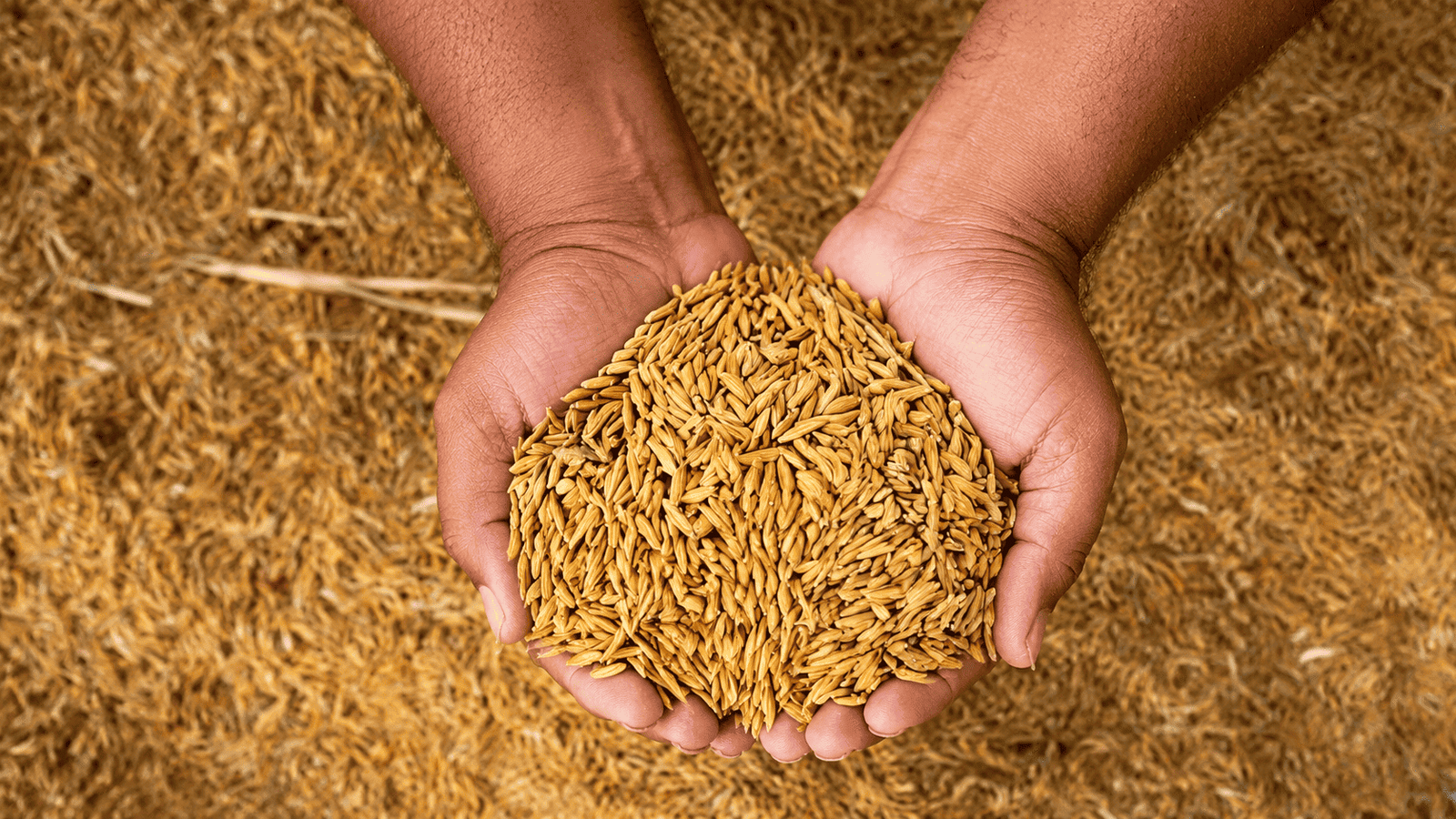
Organic jasmine rice bulk sourcing means buying certified organic jasmine rice in wholesale trade quantities — 25 kg bags and above — rather than single retail packs, for use by importers, foodservice distributors, co-packers and private-label brands. Jasmine rice itself is a specific long-grain, softly aromatic variety most closely associated with Thailand, where it is grown under the name Thai Hom Mali, botanically known as Khao Dawk Mali 105. The word “organic” does not describe a different rice; it describes how that same Hom Mali variety was farmed, milled and handled from paddy to warehouse.
To carry an organic claim on a US shelf or in a US foodservice kitchen, jasmine rice must be produced, milled and traded through a supply chain certified under the USDA National Organic Program (7 CFR Part 205), free of synthetic pesticides, synthetic fertilizers, irradiation and genetically modified seed at every stage. For a buyer moving container-level volumes, that certification has to travel with the shipment as specific paperwork, not just a logo on the bag, which is why bulk organic jasmine rice sourcing looks quite different from picking up a single bag off a grocery shelf.
Demand for organic jasmine rice bulk has grown alongside two US trends running in parallel: rising interest in clean-label pantry staples, and the continued expansion of Thai, Vietnamese and pan-Asian foodservice concepts that use jasmine rice as a base ingredient. For a distributor or private-label brand, understanding what bulk organic sourcing actually requires — origin, certification pathway, grain specification and import documentation — is the first step toward building a dependable jasmine rice program rather than chasing a one-off shipment.
2. Why US Buyers Choose Organic Jasmine Rice in Bulk
Buyers who move to organic jasmine rice bulk formats are usually solving one of three operational problems: supply consistency, private-label differentiation, or the sheer overhead of managing many small purchase orders across a growing account list. A single container-load contract, backed by one organic certificate set and one lot traceability report, is simpler to audit and reorder against than a dozen scattered small shipments.
Restaurants and foodservice distributors serving Thai, Vietnamese and broader pan-Asian menus lean on jasmine rice as a daily-use staple, so predictable bulk supply matters more than it would for an occasional specialty grain. Retail and private-label brands, meanwhile, use certified organic jasmine rice to build a clean-label aromatic-rice SKU that stands apart from conventional long-grain white rice on the shelf, without needing to develop a new variety or recipe.
Bulk formats also reduce packaging waste per kilogram delivered, simplify inbound logistics at the warehouse, and make lot-level quality control easier, since a single certified lot covers far more volume than dozens of small consumer packs each requiring separate documentation. For growing distributors, this operational simplicity is often the deciding factor in moving from case-pack purchasing to true bulk sourcing.
3. How Organic Jasmine Rice Is Grown & Processed
Organic jasmine rice begins in rain-fed paddies across Thailand’s Isaan and central plains regions, and in comparable growing areas of Vietnam and Cambodia. Farmers plant certified organic Hom Mali seed on land that has been free of prohibited pesticides, synthetic fertilizers and other restricted inputs for a documented three-year transition period before the first certified harvest. Soil fertility relies on compost, green manure crops and biological inputs rather than synthetic feed, and buffer zones separate organic paddies from neighboring conventional fields.
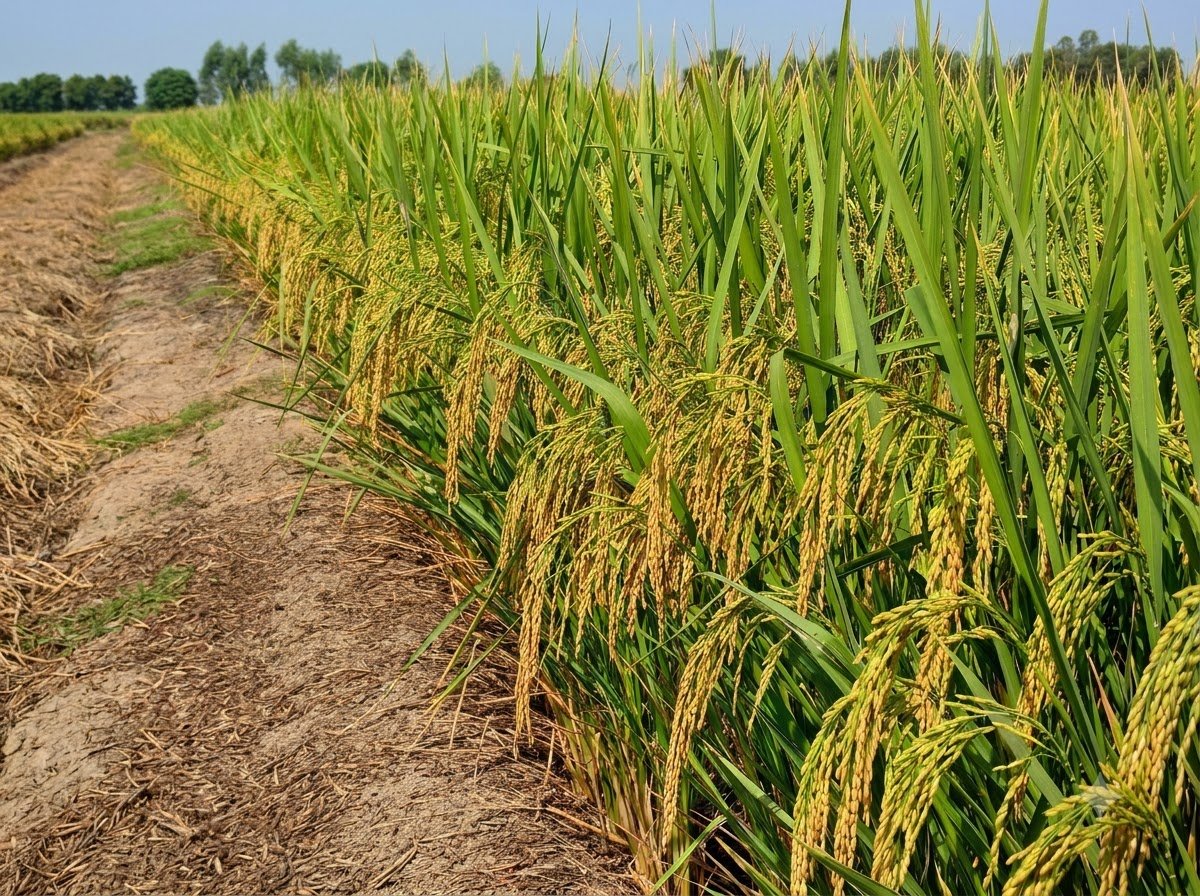
Unlike some rice varieties that yield two or three harvests a year, true Hom Mali jasmine rice is photoperiod-sensitive: it flowers only as day length shortens in the autumn, which means organic jasmine rice paddies are typically harvested once annually, generally between November and January. Cooler nighttime temperatures during this grain-filling window appear to encourage development of 2-acetyl-1-pyrroline, the aromatic compound responsible for jasmine rice’s signature fragrance, which is one reason the variety’s aroma is so closely tied to its native growing region and season.
After harvest, paddy is dried to a controlled moisture level, then husked and milled on lines segregated from conventional rice to preserve both the organic chain of custody and the delicate aroma, which can fade if the grain sits too long before milling or is exposed to excess heat during drying. Every stage, from certified seed to warehouse storage, is logged in an organic traceability system, so a bulk shipment of organic jasmine rice can, in principle, be traced back to the specific certified farm group that grew it.
4. Grain Quality & Export Specifications for Bulk Buyers
Retail shoppers judge rice by taste and aroma; bulk buyers need to judge it on paper before it ever leaves the mill. A purchase contract for organic jasmine rice bulk should specify measurable grain parameters, not just a grade name, so that every container arrives consistent with the sample that was approved.
Reference ranges commonly used in bulk organic jasmine rice purchase contracts.
Grain-length bar is scaled against a 9 mm visual reference for comparison; moisture, broken-grain and purity bars reflect their percentage values directly. Actual contract specifications vary by grade and buyer requirement.
Beyond the numbers on a spec sheet, buyers should also ask for a foreign-matter and admixture limit, a chalkiness allowance, and confirmation that the lot has been sortex-cleaned to remove discolored or immature grains. For organic lots specifically, request the residue-testing report alongside the grain-quality certificate, since the two documents are issued separately but both matter for a defensible import file.
5. USDA Organic Certification for Bulk Jasmine Rice Imports
Certification is where organic jasmine rice bulk sourcing diverges most from organic basmati sourcing. India’s National Programme for Organic Production (NPOP) is recognized by the USDA as equivalent to the National Organic Program, so NPOP-certified Indian rice can be marketed as organic in the US without a separate on-site USDA audit. Thailand has no such blanket equivalency arrangement. As a result, organic jasmine rice grown in Thailand must be certified directly by a USDA-accredited certifying agent operating in-country, auditing the farm group, the mill and the exporter individually against NOP standards.
Because Thailand lacks a blanket USDA equivalency arrangement, each checkpoint below is audited directly against NOP standards.
Ask any supplier for documentation covering every checkpoint above before confirming a bulk organic jasmine rice order.
US buyers should request, at minimum: valid organic certificates for the farm group, the mill and the exporter; a shipment-specific NOP transaction certificate; a lot traceability report; and, for private-label packaging carrying the USDA organic seal, confirmation that the US-side handler is itself certified organic. Under 7 CFR 205.300–205.307, only products with 95 percent or more certified organic content may use the word “organic” or the USDA seal; products between 70 and 95 percent organic content may only state “made with organic jasmine rice.” Retain all documentation for at least five years for USDA compliance audits.
6. Organic Jasmine Rice vs Basmati & Regular Jasmine Rice
Buyers deciding between aromatic rice types, or between organic and conventional jasmine rice, are usually really asking two separate questions: how does it behave in the pot, and what does the organic claim actually change. The table below separates those two questions.
| Attribute | Organic Jasmine Rice | Conventional Jasmine Rice | Organic Basmati Rice |
|---|---|---|---|
| Farming Standard | USDA NOP-certified, no synthetic inputs | No organic restriction | USDA NOP / NPOP-certified |
| Typical Origin | Thailand, Vietnam, Cambodia | Thailand, Vietnam, Cambodia | Indo-Gangetic plains, India/Pakistan |
| Aroma Compound | 2-acetyl-1-pyrroline (floral) | 2-acetyl-1-pyrroline (floral) | 2-acetyl-1-pyrroline (nuttier profile) |
| Texture After Cooking | Soft, lightly sticky | Soft, lightly sticky | Dry, fluffy, separate grains |
| Grain Behavior | Minimal elongation | Minimal elongation | Elongates noticeably on cooking |
| Common Bulk Format | 25/50 kg bags, FIBC jumbo bags | 25/50 kg bags, FIBC jumbo bags | 25/50 kg bags, FIBC jumbo bags |
Illustrative relative position based on starch (amylose) content and typical cooked texture.
Jasmine rice’s lower amylose content is what gives it both its soft, lightly clinging texture and its higher glycemic response compared with basmati.
Some buyers ask whether organic jasmine rice tastes noticeably different from conventional jasmine rice. The honest answer is that the aroma compound is the same molecule either way; any difference reported anecdotally by some millers, that organically grown grain sometimes carries a slightly more concentrated fragrance, is not yet backed by consistent published research and should be treated as an interesting but unproven claim rather than a guaranteed selling point.
7. Nutrition Profile of Organic Jasmine Rice
Organic jasmine rice is typically sold milled, so its nutrition profile closely resembles other milled long-grain white rice: mostly carbohydrate, with modest protein and very little fat or fiber. The chart below breaks down the approximate macro-nutrient share per 100 grams of raw grain.
Per 100 g raw grain, typical published values for milled jasmine rice.
Values are typical published figures for milled white jasmine rice and will vary slightly by lot and moisture content.
One point worth flagging honestly for health-conscious buyers: jasmine rice’s low amylose, high-amylopectin starch structure, the same trait that gives it a soft, slightly sticky texture, also gives it a comparatively high glycemic index, typically reported in the 68–80 range on a 0–100 scale. That is noticeably higher than organic basmati (roughly 50–58) or many other long-grain varieties. It does not make jasmine rice unhealthy, but buyers positioning organic jasmine rice for blood-sugar-conscious customers should be transparent about this rather than implying “organic” changes the glycemic response, since it does not.
Like all true rice, organic jasmine rice is naturally gluten-free, and a certified organic brown jasmine rice option is also available from some mills for buyers who want the same aroma with more of the bran, and therefore more fiber, retained. Buyers with celiac or gluten-sensitive end customers should still confirm the mill’s documented gluten-free handling procedures, since shared processing lines can introduce cross-contamination even when the grain itself is inherently gluten-free.
8. How to Cook Organic Jasmine Rice
Jasmine rice rewards a lighter touch than basmati or brown rice. Because much of its appeal is the aroma, over-rinsing or over-soaking before cooking can wash away some of the fragrance the variety is known for, so the method below keeps preparation simple.
Step-by-step: stovetop absorption method
- Rinse briefly. A quick rinse in cool water removes loose surface starch without stripping the grain’s natural aroma. Unlike basmati, jasmine rice does not need a long soak.
- Measure. Use a 1 to 1.25 ratio of rice to water by volume. Add a small pinch of salt if desired; jasmine rice’s aroma generally does not need added fat the way plainer long-grain rice sometimes does.
- Boil. Bring the pot to a boil uncovered over medium-high heat.
- Simmer. Reduce the heat to the lowest setting, cover tightly, and cook undisturbed for about 15 minutes. Resist the urge to lift the lid, since escaping steam is what finishes softening the grain evenly.
- Rest. Take the pot off the heat and let it sit, still covered, for 10 minutes so residual steam completes the cook.
- Fluff. Fluff gently with a fork just before serving to separate the grains without crushing them.
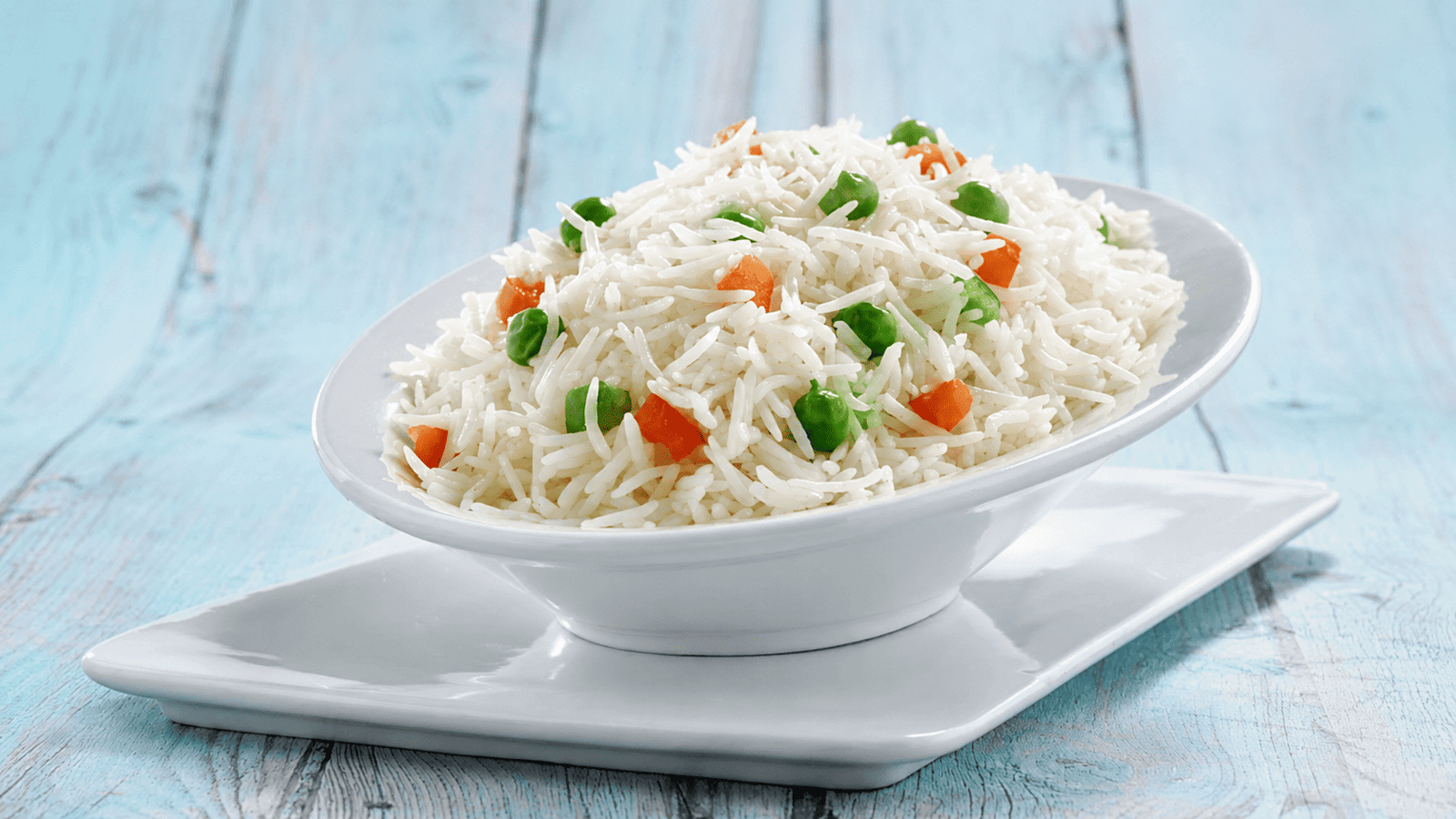
An electric rice cooker with a standard white-rice setting works just as well for bulk-scale test cooking and quality checks, and is the method most Thai and Vietnamese kitchens use day to day.
9. Importing Organic Jasmine Rice Bulk into the United States
Bringing bulk organic jasmine rice into the US involves coordinated compliance across several federal agencies, plus origin-country export documentation specific to Thailand or Vietnam. Understanding the sequence up front helps importers and distributors avoid port holds and certification gaps.
FDA Prior Notice
Under the Bioterrorism Act, prior notice must be filed electronically through FDA’s Prior Notice System Interface (PNSI) or via ABI/ACE before the shipment arrives at a US port, generally no earlier than 30 days and no later than the time the shipment is en route. Organic jasmine rice typically falls under FDA Product Code 34 — Cereal Preparations / Rice.
USDA Organic Compliance
The shipment must be accompanied by an NOP transaction certificate issued by an accredited certifier, and the US importer or first receiver handling the product generally needs to be certified organic, or to operate under a certified organic system plan documenting handling, storage and segregation. Private-label brands placing the USDA organic seal on retail packaging must be certified themselves, separately from the exporter’s certification.
Phytosanitary Certificate
A government-issued phytosanitary certificate from the exporting country’s plant protection authority confirms the rice is free from quarantined pests. The original travels with the shipment, and US Customs and Border Protection (CBP) together with USDA APHIS review it at the port of entry.
Thailand-Specific Export Documentation
Thai jasmine rice exporters typically work with a USDA-accredited certifying agent for the organic claim, and separately obtain export clearance through Thailand’s Department of Foreign Trade, including a Certificate of Origin. Premium Thai Hom Mali lots may also carry Thailand’s own geographic-indication style Hom Mali labeling requirements alongside the organic certificate. A reliable supplier should be able to walk a US buyer through the specific paperwork required for their country of origin, whether Thailand, Vietnam or Cambodia.
HS Code & Duties
Organic jasmine rice sold milled generally falls under HS code 1006.30 (semi-milled or wholly milled rice); husked organic brown jasmine rice falls under 1006.20. Most-favored-nation duty rates vary by code and origin, so importers should confirm current rates with a licensed customs broker before finalizing a purchase order.
Port of Entry & Customs Clearance
Major US entry points for bulk rice imports include the Port of Los Angeles/Long Beach, Oakland, Houston, Savannah and New York/New Jersey. A formal CBP entry is filed via ACE (Automated Commercial Environment) with the commercial invoice, packing list, bill of lading, phytosanitary certificate, organic transaction certificate and FDA prior notice confirmation. FDA and CBP review the entry, and sampling may occur for pesticide or microbiological screening before release.
10. Bulk Packaging, MOQ & Container Loading for Organic Jasmine Rice
US buyers of organic jasmine rice bulk typically source anywhere from a single pallet to multiple container-loads per month. Standard export packaging reflects that range, from retail-ready pouches through industrial jumbo bags.
Bar heights are compressed for readability — actual capacity spans 25 kg (bag) to roughly 27 metric tons (40-ft container).
A 20-ft FCL typically carries 18–20 MT of bagged organic jasmine rice; a 40-ft FCL carries roughly 25–27 MT depending on bag size and stowage.
Retail & foodservice tiers. 1 kg and 5 kg pouches suit retail grocery and small foodservice accounts; 10 kg and 25 kg bags cover restaurants, institutional kitchens and smaller distributors. All packaging touching organic jasmine rice must use food-grade, FDA-compliant materials.
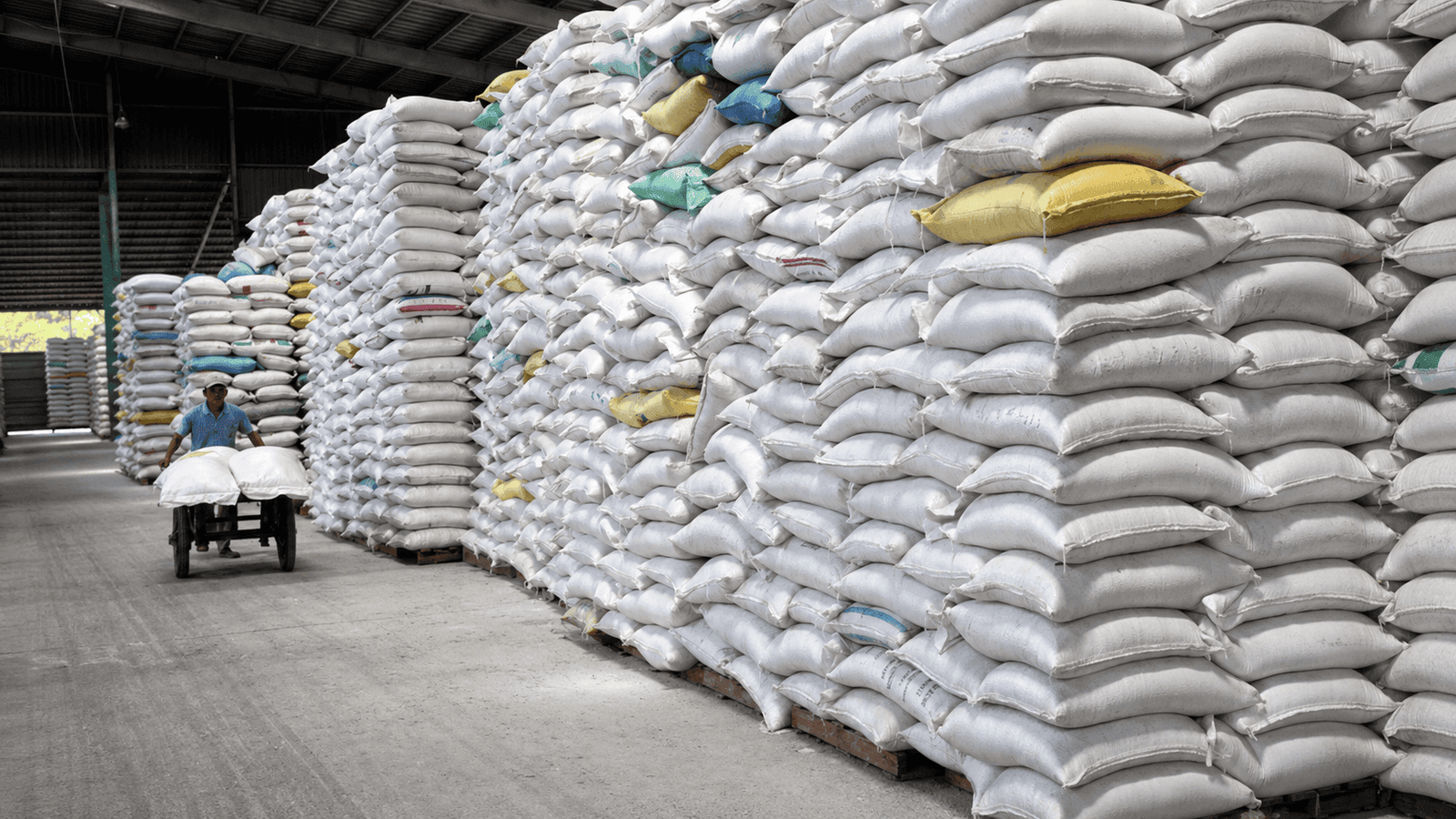
Wholesale tiers. 25 kg and 50 kg PP woven bags remain the workhorse format for US distributors, typically palletized at around 1.0–1.2 MT per pallet.
Industrial tiers. 1 MT FIBC jumbo bags suit co-packers, re-packers and large institutional buyers by reducing handling cost and pallet count per metric ton shipped.
Minimum order quantities. Wholesale MOQ for certified organic jasmine rice typically starts around 1 metric ton, with container-load efficiency generally reached above roughly 18 metric tons for a 20-ft FCL, or 25–27 metric tons for a 40-ft FCL of bagged rice. Private-label retail packaging usually requires a higher MOQ, often in the 5–10 metric ton range, due to printing-plate and packaging-film setup.
Lead times. From confirmed purchase order to vessel sailing, typical lead time runs 4–6 weeks for stock inventory and 8–10 weeks for private-label production, covering milling, packaging and export documentation. Sea transit from Southeast Asian origins to US West Coast ports generally runs 20–30 days, with East Coast routings taking somewhat longer.
11. Frequently Asked Questions
Common questions from US importers, distributors and private-label brands evaluating organic jasmine rice bulk for their sourcing pipeline.
Organic jasmine rice bulk sourcing means purchasing certified organic jasmine rice in large trade quantities, typically 25 kg bags and above, rather than individual retail-sized bags. Buyers who source in bulk are usually importers, foodservice distributors, co-packers or private-label brands who need a documented organic chain of custody, consistent grain specifications and container-level logistics rather than a single consumer package.
Jasmine rice, also known as Thai Hom Mali or Khao Dawk Mali 105, is native to Thailand and remains the benchmark origin for the variety. Certified organic jasmine rice is also grown in parts of Vietnam and Cambodia under similar tropical, rain-fed paddy conditions. Unlike basmati, which is tied to India and Pakistan’s Indo-Gangetic plains, true jasmine rice is a Southeast Asian varietal, and buyers should confirm aroma authenticity when jasmine-style rice is grown elsewhere.
Minimum order quantities vary by supplier, but wholesale organic jasmine rice is typically available starting around 1 metric ton in 25 kg or 50 kg bags, scaling up to 1 MT FIBC jumbo bags and full 20-ft or 40-ft container loads for importers and large distributors. Private-label packaging generally carries a higher minimum due to custom printing and film setup requirements. Request a bulk quote here.
Because Thailand does not have a blanket USDA organic equivalency arrangement, Thai-origin organic jasmine rice must be certified directly by a USDA-accredited certifying agent operating in-country. Buyers should request valid organic certificates for the farm group, mill and exporter, a shipment-specific NOP transaction certificate, a phytosanitary certificate, and FDA prior notice confirmation for every bulk shipment.
The rice variety itself is the same; what changes under organic certification is how it is farmed and handled. Organic jasmine rice is grown from certified organic seed on land free of prohibited pesticides and synthetic fertilizers for at least three years, and it is milled, stored and transported through a segregated, traceable organic supply chain. Conventional jasmine rice has no such restriction, even when grown in the same province.
Bulk organic jasmine rice for export typically ships in food-grade PP woven bags at 25 kg or 50 kg, or in 1 metric ton FIBC jumbo bags for container efficiency. Retail and foodservice-ready formats such as 1 kg and 5 kg pouches are also available for co-packing and private-label programs. All packaging materials must meet FDA food-contact requirements and must not compromise the organic chain of custody.
Yes. Jasmine rice, organic or conventional, white or brown, is naturally gluten-free, like all true rice. Buyers with celiac or gluten-sensitive end customers should still confirm that the milling and packing facility follows documented gluten-free handling procedures, since shared processing lines can introduce cross-contamination even when the grain itself contains no gluten.
Both are aromatic long-grain rices, but they come from different regions and behave differently in the pot. Organic basmati, grown mainly in the Himalayan foothills of India and Pakistan, has a higher amylose content that keeps grains dry, separate and elongated after cooking. Organic jasmine rice, grown in Thailand and parts of Southeast Asia, has lower amylose content, giving it a softer, slightly sticky texture and a more delicate floral aroma. The choice generally comes down to the cuisine and texture a buyer’s end customer expects.
Properly milled and packaged organic jasmine rice keeps its quality for roughly 18–24 months when stored in a cool, dry, pest-free warehouse away from direct sunlight and moisture. Because jasmine rice is typically sold milled with the bran removed, it stores somewhat longer than whole-grain brown or red rice, though its natural aroma does fade gradually over time, so buyers managing long inventory cycles should rotate stock on a first-in, first-out basis.
12. Conclusion
Organic jasmine rice bulk sourcing rewards buyers who treat certification and grain specification as seriously as flavor and aroma. The variety itself, Thai Hom Mali, is what gives jasmine rice its softness and fragrance; the organic standard is what makes the supply chain behind it traceable, documented and defensible at US customs and on a retail label. For importers, foodservice distributors and private-label brands, getting both pieces right, an authentic Southeast Asian origin and a properly certified organic chain of custody, is what separates a repeatable jasmine rice program from a single lucky shipment.
By understanding cultivation, grain specifications, USDA certification, nutrition and the import process outlined in this guide, buyers can source organic jasmine rice in bulk with confidence that it will clear US customs, satisfy USDA compliance audits, and meet the label claims their own customers expect. If your business is ready to source certified organic jasmine rice, our export desk can provide full documentation, samples and a tailored quote within one business day.
Ready to Source Organic Jasmine Rice in Bulk?
Get a tailored wholesale quotation with full USDA organic and export documentation for your organic jasmine rice bulk order. Our export desk responds to all US buyer inquiries within one business day.