1. What Is Organic Rice?
Organic rice is rice, of any variety, color or milling style, that has been grown, harvested and processed according to certified organic standards, without synthetic pesticides, synthetic fertilizers, sewage-sludge amendments, irradiation or genetically modified seed. The label describes a farming and handling method rather than a botanical category: an organic paddy can produce white rice, brown rice, basmati, jasmine, black (sometimes called “forbidden”) rice, red rice or wild rice, and each one can carry the word “organic” on its packaging as long as the entire chain of custody, from seed to shelf, is certified.
In the United States, that certification is governed by the USDA National Organic Program (NOP) under 7 CFR Part 205. Organic rice grown overseas is typically certified first under the origin country’s own program — India’s NPOP, for example — and recognized as equivalent to the USDA standard through a bilateral trade arrangement, so the grower does not need duplicate, side-by-side certification to reach US shelves.
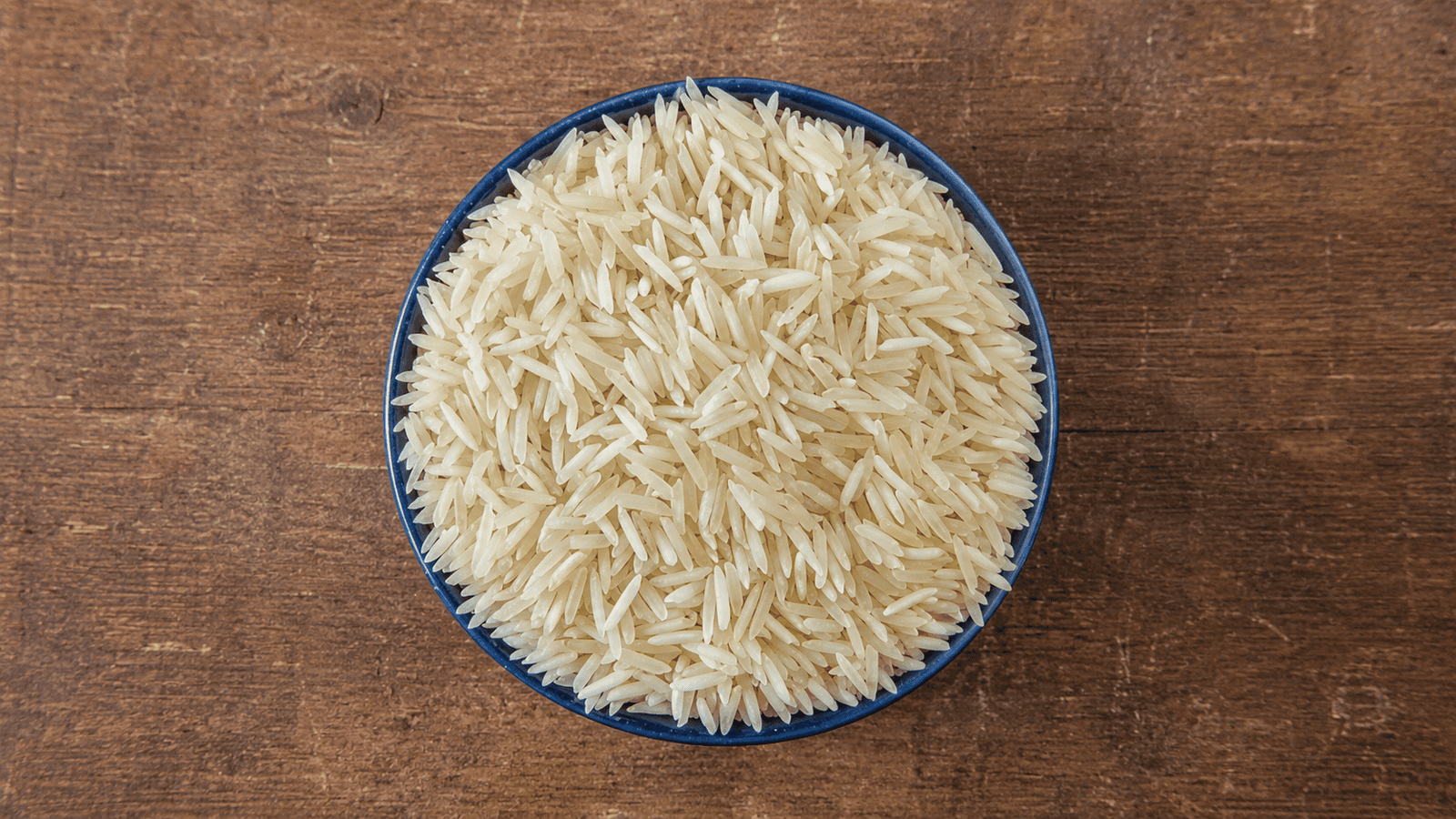
Before a paddy can be called organic, the land must be free of prohibited substances for a 36-month transition period, and every input — seed, compost, pest-control method and processing aid — must appear on an approved materials list. The result, for the buyer, is a rice supply chain with documented traceability back to a specific certified farm group, third-party residue testing, and a legally defensible organic claim on the label.
Demand for organic rice in the US has grown steadily as shoppers look for cleaner-label pantry staples, and the category now spans everyday grocery rice through specialty ancient grains like black and red rice. For importers, distributors and private-label brands, understanding what “organic” actually guarantees, and what it does not, is the first step to sourcing organic rice with confidence.
2. Types of Organic Rice
Not all organic rice looks or cooks the same. US buyers sourcing organic rice for retail, foodservice or private label typically choose from six broad categories, each suited to different dishes and different shoppers.
Organic white rice is the most common category: any variety milled to remove the bran and germ, leaving a polished, quick-cooking grain. Organic brown rice is the same paddy left unmilled beyond husking, so it keeps its bran layer, nuttier flavor and most of its fiber. Organic basmati rice is a specific long-grain, aromatic variety grown in the Himalayan foothills, prized for its elongation and fragrance, and sold in both white and brown form. Organic jasmine rice, grown mainly in Southeast Asia, is a softer, slightly sticky, floral-scented long-grain rice. Organic black rice, sometimes marketed as “forbidden rice,” is a whole-grain variety with a deep purple-black bran rich in anthocyanin antioxidants, the same pigment family found in blueberries and purple cabbage. Organic red rice carries a reddish bran layer and an earthy flavor, with a nutritional profile that sits between brown and black rice. A seventh category, organic wild rice, is technically the seed of an aquatic grass rather than true rice, but it is commonly sold alongside these categories for its dark color, chewy bite and unusually high protein content.
| Type | Milling | Fiber (per 100g raw) | Flavor | Best Use |
|---|---|---|---|---|
| Organic White Rice | Fully milled | 0.4–1.3 g | Mild, neutral | Everyday meals, sushi, pilaf |
| Organic Brown Rice | Husked only | ~3.5 g | Nutty, earthy | Grain bowls, healthy sides |
| Organic Basmati Rice | Milled or brown | 1.0–3.5 g | Aromatic, nutty | Biryani, pulao, pilaf |
| Organic Jasmine Rice | Milled | 0.5–1.3 g | Floral, sweet | Thai, Vietnamese dishes |
| Organic Black Rice | Whole grain | 4.5–5.0 g | Nutty, slightly sweet | Salads, desserts, specialty blends |
| Organic Red Rice | Husked only | ~4.0 g | Earthy, nutty | Health bowls, pilafs |
| Organic Wild Rice | Whole grain (aquatic grass) | ~6.0 g | Smoky, earthy | Stuffing, salads, blends |
Milling and bran retention determine both color and fiber content across the organic rice family.
Color deepens as more of the bran layer is retained through milling — and fiber, protein and antioxidant content generally rise along with it.
For US foodservice and retail buyers, the choice usually comes down to application: everyday meals and sushi call for white rice; health-focused SKUs lean on brown, red or black rice; and aromatic dishes favor basmati or jasmine. Many distributors stock a curated mix across two or three of these categories rather than committing to a single variety.
3. How Organic Rice Is Grown
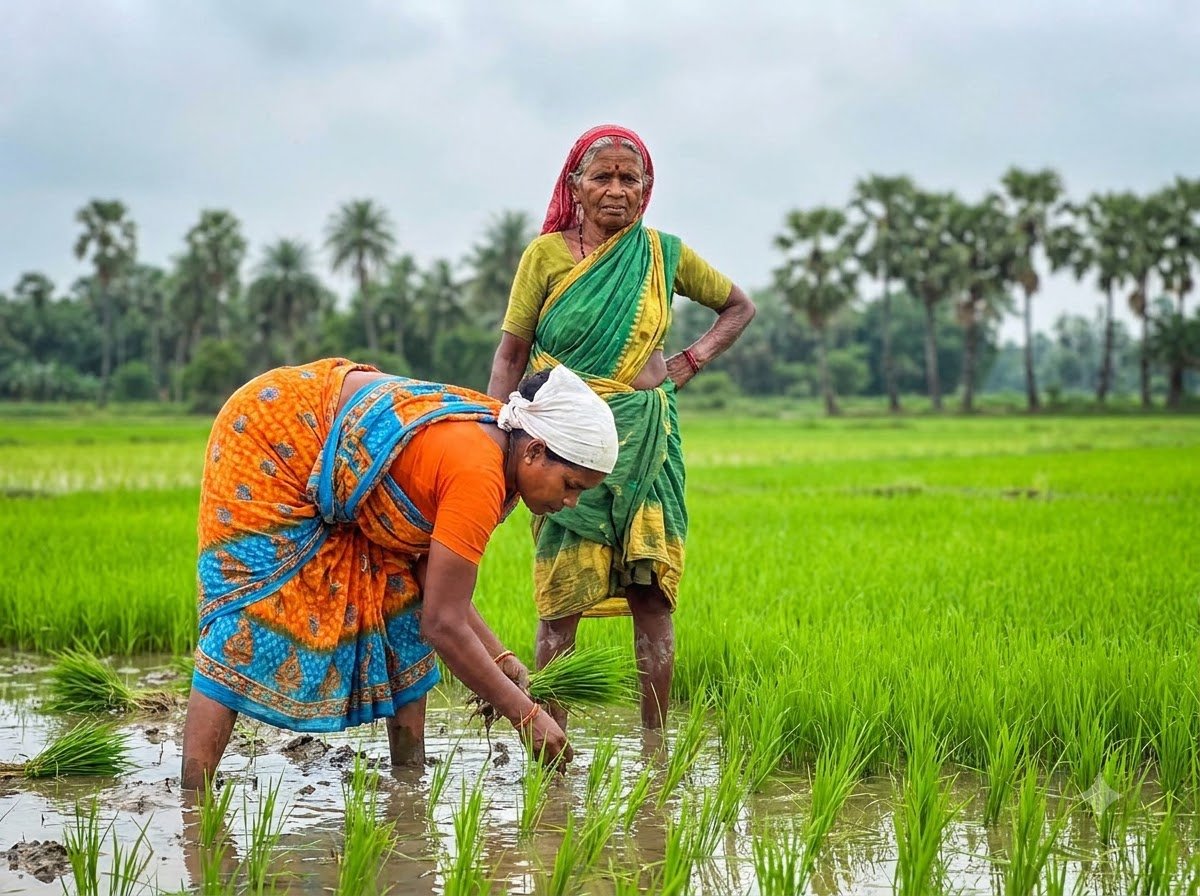
Organic rice cultivation begins long before the seed touches the paddy. Farmers plant only certified organic seed, saved from previous organic harvests or sourced from accredited organic seed producers, and the field itself must be free of prohibited substances for a documented 36-month transition period before the first certified harvest. Buffer zones typically separate organic paddies from any neighboring conventional fields to prevent spray drift and cross-contamination.
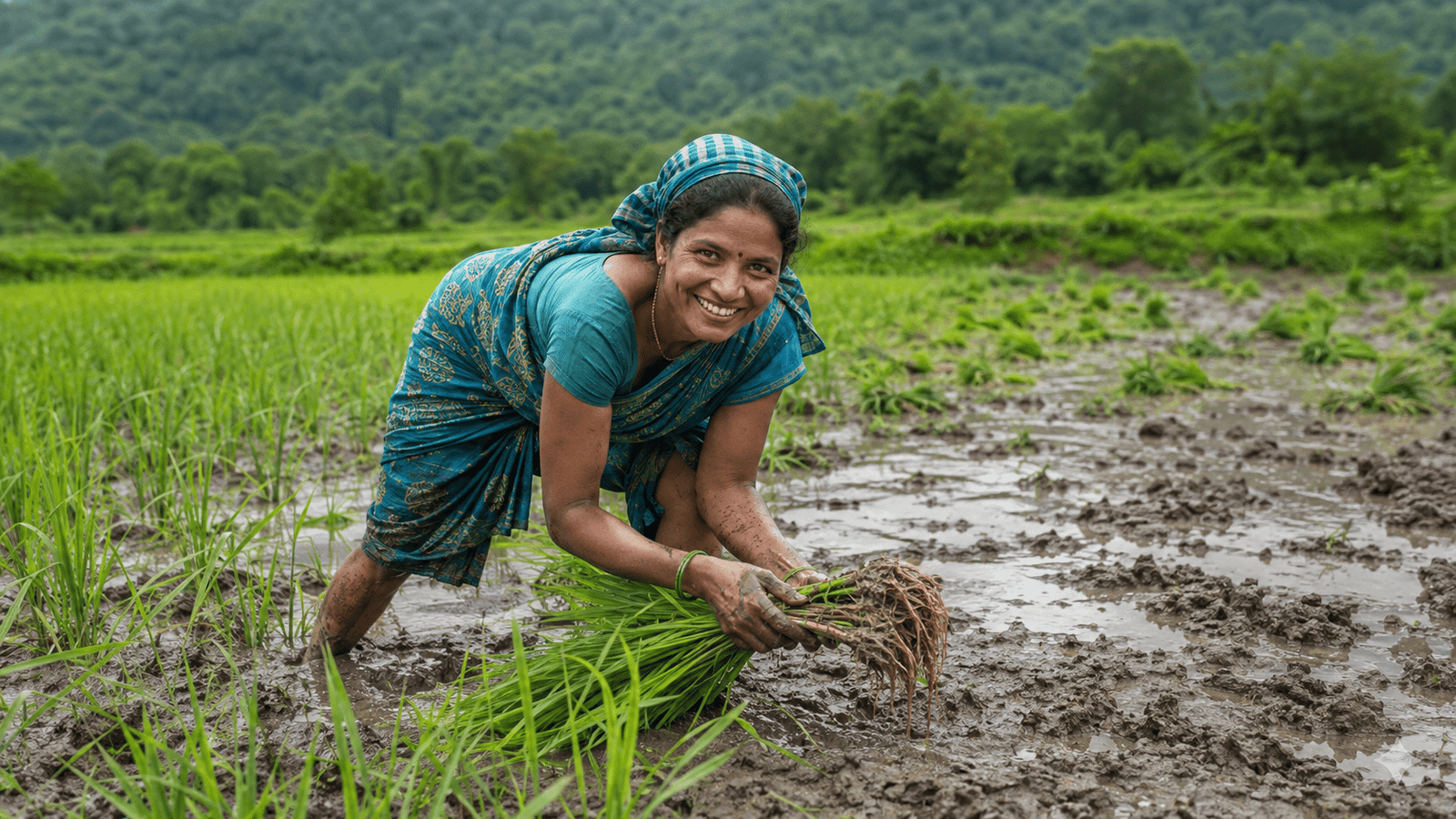
Soil fertility is maintained through crop rotation with legumes such as mung bean and chickpea, green manures like Sesbania, composted farmyard manure, vermicompost, and biofertilizers built around nitrogen-fixing and phosphate-solubilizing bacteria. Pest pressure is managed with integrated, non-chemical methods: light traps, pheromone traps for stem borers, neem-based formulations, and conservation of natural predators such as spiders and dragonflies that keep insect populations in check.
Water management has become a defining feature of modern organic rice farming. Many certified organic and sustainably managed paddies now use alternate wetting and drying (AWD) or the System of Rice Intensification (SRI) instead of continuous flooding. Both methods reduce total water use, cut methane emissions from waterlogged soil, and, as a side benefit, tend to lower arsenic uptake compared with rice grown under permanent flood conditions.
At maturity the crop is harvested, sun-dried or mechanically dried to a moisture content of roughly 12–14 percent, and stored in food-grade bags or silos segregated from any conventional stock. Every stage, from seed to storage, is logged in the organic traceability system required by NPOP, USDA NOP, and equivalent programs elsewhere, so a bag of organic rice on a US shelf can, in principle, be traced back to the specific certified farm group that grew it.
4. USDA Organic Certification for Rice: What US Buyers Need to Know
For a US-bound shipment, “organic” is not a marketing word; it is a legally defined claim regulated by the USDA National Organic Program under 7 CFR Part 205. To be sold as organic rice in the United States, the product must be produced and handled by operations certified under the NOP or under a foreign organic standard recognized as equivalent.
India’s National Programme for Organic Production (NPOP) is recognized by the USDA as equivalent for production and handling, so rice grown and processed under NPOP-certified Indian operations can be marketed as organic in the United States without a separate, duplicate USDA on-site certification. Not every origin country has this kind of arrangement, however: organic rice from Thailand and several other Southeast Asian origins, for example, is typically certified directly by a USDA-accredited certifying agent operating in-country, since there is no blanket equivalency agreement in place.
US buyers should request and verify the following documents for every shipment of organic rice:
- Valid organic certificates for the producer, the mill and the exporter, covering the full chain of custody
- An NOP transaction certificate (or equivalent) specific to the shipment lot
- A lot traceability report linking the shipment to the certified organic farm group
- The “Certified Organic by [certifier]” statement required on retail packaging for private-label products
Six checkpoints stand between a certified organic seed and a USDA-compliant bag of organic rice on a US shelf.
Reputable exporters can produce documentation for every checkpoint on request — ask before, not after, the shipment sails.
Labeling rules under 7 CFR 205.300–205.307 govern whether a product may use the USDA organic seal, the “100% organic” claim, or the “organic” (95 percent or more organic content) claim; a product with 70–95 percent organic content may only say “made with organic rice” and cannot carry the USDA seal. Bulk organic rice sold in 25 kg, 50 kg or jumbo bags typically qualifies as “100% organic” if no non-organic ingredients are added during processing. Importers, distributors and private-label brands must retain these records for at least five years and make them available for USDA NOP compliance audits.
5. Organic Rice vs Conventional Rice
US buyers evaluating organic rice often want to know exactly what the certification changes, beyond the price and the label. A few comparisons come up most often.
Pesticide residue. Organic certification legally prohibits synthetic pesticides and herbicides during the transition period and beyond. USDA Pesticide Data Program testing has repeatedly found organic rice with significantly lower residue frequencies than conventional rice, though “lower” is not the same as “zero,” since drift and background environmental contamination can still occur at trace levels.
Arsenic. All rice, organic or conventional, takes up naturally occurring arsenic from soil and irrigation water, and organic certification on its own does not change that chemistry. What can make a measurable difference is the growing method: paddies managed with alternate wetting and drying, more common on organic and sustainably certified farms, tend to show somewhat lower arsenic accumulation than rice grown under continuous flooding. Buyers who are especially arsenic-conscious should ask for third-party heavy-metals testing on a lot-by-lot basis regardless of organic status.
Environmental footprint. Because organic rice farming avoids synthetic fertilizer runoff and typically pairs with water-saving irrigation, it tends to support better soil microbial diversity and lower methane emissions per hectare than continuously flooded conventional paddies.
Non-GMO status. Commercially grown rice is not genetically modified in most markets rice is exported from, so this is rarely a point of true difference. Organic certification does, however, legally prohibit GMO seed outright, closing off any future possibility.
Nutrition and flavor. Macro-nutrient values (calories, carbohydrate, protein) are essentially the same between organic and conventional rice of the same variety. Some studies suggest modestly higher levels of certain antioxidant or phenolic compounds in organically grown crops, thought to be a stress response from managing pests without synthetic inputs, but the evidence here is still developing and should not be treated as a guaranteed or dramatic difference.
6. Nutrition & Health Benefits of Organic Rice
Organic rice delivers a clean source of carbohydrates, but the exact nutritional profile depends heavily on which type is on the label. The chart below breaks down the approximate macro-nutrient composition, by proportion, for five common organic rice categories per 100 grams of raw grain.
Proportional share of carbohydrate, protein, fiber and fat — per 100 g raw, typical values.
Wild rice stands out with roughly double the protein share of milled white rice, while black and red rice lead on fiber among true rice varieties.
Glycemic response is another key differentiator. Rice with more of its bran intact digests more slowly, which generally produces a gentler post-meal blood-sugar rise. The chart below plots typical glycemic index (GI) values, boiled and drained, on a 0–100 scale.
Lower GI means a slower blood-sugar response. Track color bands: green = low, gold = medium, red = high.
GI values are typical published ranges; actual GI varies with variety, aging, cooking method and cooling. Rice paired with protein, fat or fiber generally produces a gentler blood-sugar response than rice eaten alone.
Black and red rice also stand out for a nutrient white and brown rice barely contain: anthocyanins, the antioxidant pigments responsible for their dark color. The chart below shows a relative antioxidant index across four categories.
Illustrative relative index based on published phenolic and anthocyanin content studies; actual values vary by variety and growing conditions.
Black rice’s deep hull pigment comes from the same anthocyanin family found in blueberries and purple cabbage.
A few additional points matter for US buyers evaluating organic rice on health grounds. Gluten-free status: like all true rice, every organic rice type is naturally gluten-free, though facilities should be verified for documented gluten-free handling. Digestibility: milled white and basmati rice are lower in insoluble fiber, making them gentler on sensitive digestive systems and a common choice in bland-diet protocols. Blood sugar management: lower-GI organic rice types, paired with protein and fiber-rich sides, may be a reasonable carbohydrate choice for people monitoring blood sugar, though anyone managing diabetes or a related condition should discuss specific dietary choices with a healthcare provider rather than relying on GI alone.
7. How to Cook Organic Rice (Ratios for Every Variety)
Cooking method matters as much as the rice itself. Because milled organic white rice, whole-grain organic brown rice, and dense organic wild rice all absorb water at different rates, each needs its own water-to-rice ratio and cook time for the best texture.
Absorption (covered-pan) method — ratios shown as a proportion of the total liquid in the pot.
Soaking whole-grain organic rice (brown, red, black) for 30 minutes before cooking can shorten cook time by roughly 10 minutes and improve texture.
Step-by-step: absorption method
- Rinse. Place the organic rice in a fine-mesh strainer and rinse under cold running water until the runoff runs nearly clear. This removes surface starch and some surface-bound trace minerals.
- Soak (optional but recommended). Soak for 15–30 minutes for white and basmati rice, or up to an hour for brown, red or black rice. Soaking shortens cook time and improves texture.
- Measure. Use the ratio for your variety from the chart above. Add a pinch of salt and, if desired, a teaspoon of fat (oil, ghee or butter) per cup of rice.
- Cook. Bring to a rolling boil, then reduce immediately to the lowest possible simmer. Cover with a tight-fitting lid and cook undisturbed for the time listed for your variety.
- Rest. Off the heat, let the covered pan rest for 5–10 minutes so the moisture redistributes evenly.
- Fluff. Gently fold the rice with a fork or slotted spatula to separate the grains before serving.
8. Importing Organic Rice to the United States
Bringing organic rice into the United States involves coordinated compliance across several federal agencies. Understanding the process up front helps US importers, distributors and private-label brands avoid costly port holds and certification gaps.
FDA Prior Notice
Under the Bioterrorism Act, prior notice must be filed electronically through FDA’s Prior Notice System Interface (PNSI) or via ABI/ACE before the shipment arrives at a US port. Most filers submit prior notice no earlier than 30 days and no later than the time the shipment is en route. Organic rice typically falls under FDA Product Code 34 — Cereal Preparations / Rice.
USDA Organic Compliance
Shipments must be accompanied by an NOP transaction certificate issued by an accredited certifier. The importer, or first US recipient handling the product, generally also needs to be certified organic under NOP, or to operate under a certified organic system plan that documents handling, storage and segregation of organic rice. Private-label brands placing the USDA organic seal on retail packaging must be certified themselves.
Phytosanitary Certificate
A government-issued phytosanitary certificate from the exporting country’s plant protection organization confirms the rice is free from quarantined pests. The original accompanies the shipment; US Customs and Border Protection (CBP) and USDA APHIS review it at the port of entry.
Country-Specific Export Documentation
Documentation requirements vary by origin. Indian basmati exporters register consignments through APEDA’s Basmati Export Tracking System and obtain a Certificate of Origin, with DNA-based purity verification sometimes required for premium lots. Non-basmati Indian rice exporters work through India’s general agricultural export framework. Thai organic rice exporters typically obtain certification from a USDA-accredited agent and export documentation through Thailand’s Department of Foreign Trade. A reliable supplier should be able to walk you through the specific paperwork for their country of origin.
HS Code & Duties
The Harmonized System codes most relevant to rice imports are 1006.10 (rice in the husk, or paddy rice), 1006.20 (husked or brown rice), 1006.30 (semi-milled or wholly milled rice), and 1006.40 (broken rice). Most-favored-nation duty rates vary by code and origin; importers should confirm current rates with a licensed customs broker before finalizing a purchase order.
Port of Entry & Customs Clearance
Major US entry points for rice include the Port of New York/New Jersey, Los Angeles/Long Beach, Houston, Savannah and Oakland. Dry milled rice generally does not require cold storage, but humidity-controlled drayage helps preserve quality. A formal CBP entry is filed via ACE (Automated Commercial Environment) with the commercial invoice, packing list, bill of lading, phytosanitary certificate, organic transaction certificate and FDA prior notice confirmation. FDA and CBP review the entry, and sampling may occur for pesticide or microbiological screening.
9. Bulk Sourcing & Packaging Options for Organic Rice
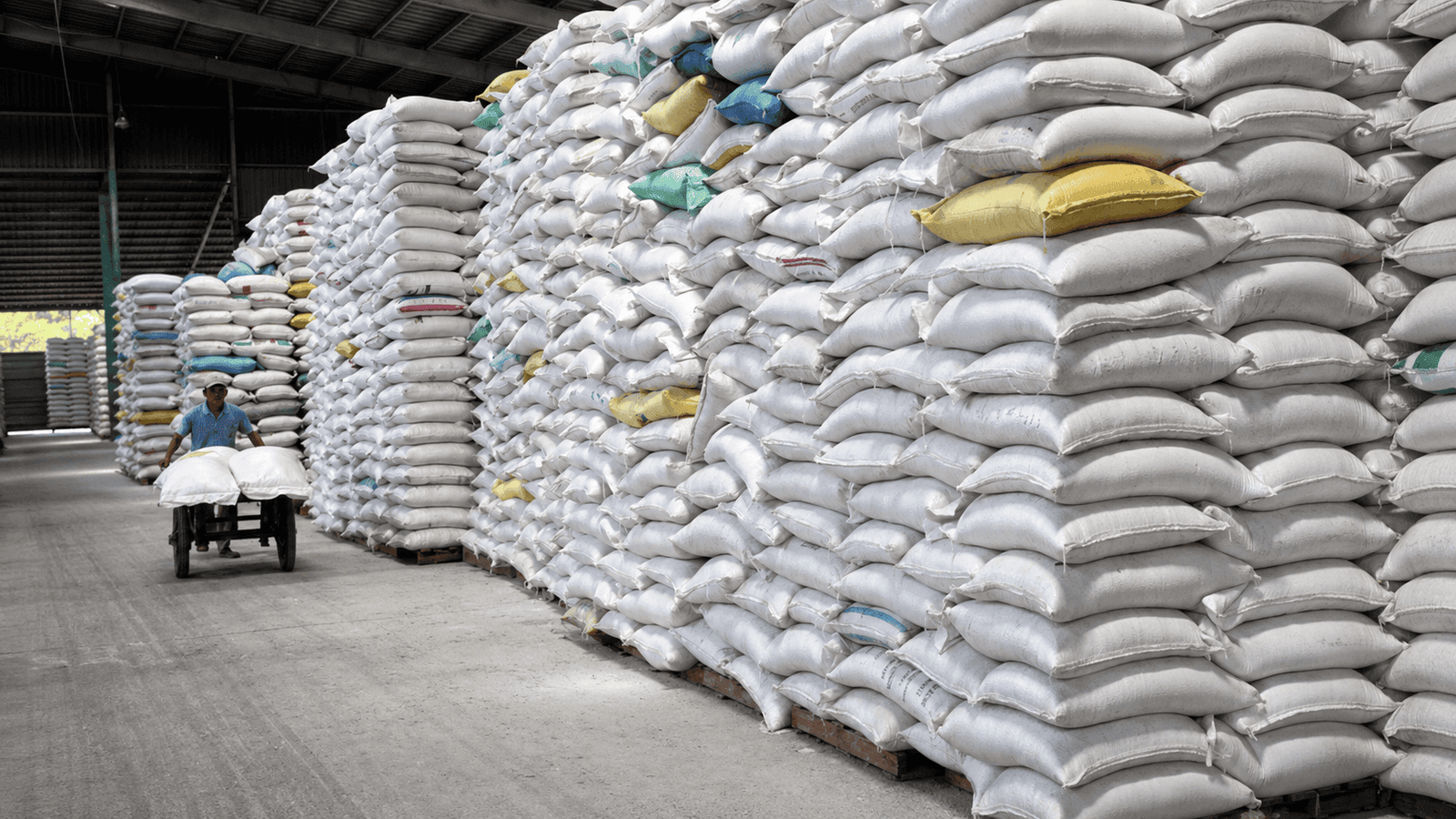
US buyers of organic rice typically source in volumes ranging from a single pallet to multiple container-loads per month. Standard export packaging reflects this ladder of demand, from retail pouches to industrial bulk bags.
Bar length is compressed for readability — actual weights span 1 kg (retail) to 1,000 kg (industrial FIBC).
A standard 20-ft FCL carries approximately 18–22 MT of bagged organic rice; a 40-ft FCL typically carries 25–28 MT depending on stowage and bag size.
Retail & foodservice tiers. 1 kg and 5 kg pouches serve retail grocery and small foodservice accounts. 10 kg and 25 kg bags cover restaurants, institutional kitchens and small distributors. All retail packaging for organic rice must use food-grade, FDA-compliant materials that have not been treated with prohibited substances.
Wholesale tiers. 25 kg and 50 kg PP woven bags are the workhorse format for US distributors and bulk buyers, typically palletized at around 1.0–1.2 MT per pallet.
Industrial tiers. 1 MT FIBC (Flexible Intermediate Bulk Container) jumbo bags suit co-packers, re-packers and large institutional buyers, reducing both handling cost and pallet count per metric ton shipped.
Minimum order quantities. For certified organic rice, wholesale MOQ typically starts around 1 metric ton. Container-load efficiency is generally reached above roughly 18 metric tons for a 20-ft FCL, or 25–28 metric tons for a 40-ft FCL of bagged rice. Private-label retail packaging usually requires a higher MOQ, often in the 5–10 metric ton range, due to printing-plate and packaging-film setup costs.
Lead times. From a confirmed purchase order to vessel sailing, typical lead time runs 4–6 weeks for stock inventory and 8–10 weeks for private-label production, including milling, packaging and export documentation. Sea transit to US East Coast ports generally averages 25–35 days from South Asian origins.
10. Frequently Asked Questions
Common questions from US buyers, distributors and retail brands evaluating organic rice for their sourcing pipeline.
Organic and conventional rice are nutritionally similar in calories, carbohydrates and protein. The meaningful difference is how the crop is grown: organic rice is cultivated without synthetic pesticides, herbicides or chemical fertilizers for at least three years before certification, and USDA Pesticide Data Program testing consistently finds far fewer residues on organic rice than on conventional rice. Organic farming also tends to support better soil health and biodiversity, so while the nutrition label looks similar, the growing method changes what else comes along with the grain.
Organic describes how rice is farmed and processed, not the variety itself. Organic rice, whether white, brown, basmati, jasmine, black or red, must be grown from certified organic seed on land free of prohibited substances for 36 months, without synthetic pesticides or fertilizers, and handled through a certified organic supply chain with full traceability. Regular rice has no such restriction, even if it is the same botanical variety.
There is no single healthiest organic rice; it depends on your goals. Organic brown, red and black rice keep the bran layer, so they carry more fiber, more protein and a lower glycemic index than milled white or basmati rice. Black rice is notable for its anthocyanin content, the same antioxidant pigment found in blueberries. Organic white and basmati rice are easier to digest, cook faster and suit sensitive stomachs, so many buyers stock a mix.
Yes. All true rice, organic or conventional, white, brown, black, red or wild, is naturally gluten-free and safe for people with celiac disease or gluten sensitivity. Buyers should verify that the milling and packing facility follows documented gluten-free handling procedures, since cross-contamination can occur on shared lines. Reputable organic rice suppliers provide a facility gluten-free statement alongside their organic certification.
Properly milled and packaged organic white rice keeps its quality for 24–36 months when stored in a cool, dry, airtight container away from sunlight and moisture. Organic brown, red and black rice contain natural oils in the bran layer, so they are more perishable and are best used within 6–12 months, longer if refrigerated. Keep rice below about 20°C (68°F) and 60% relative humidity, away from strong-smelling foods.
Yes. Organic rice for US importers, distributors and private-label brands is available from 25 kg and 50 kg PP woven bags to 1 MT FIBC jumbo bags and full 20-ft or 40-ft container loads. Wholesale minimum order quantity typically starts at 1 metric ton, with container-load efficiency above roughly 18 metric tons. Private-label retail packaging is also available, generally at a higher minimum due to packaging-film and print-plate setup. Request a bulk quote here.
Look for a valid USDA National Organic Program certificate, or for Indian-origin rice, an NPOP certificate recognized as equivalent under the US-India organic trade arrangement, covering the farm, mill and exporter. Also request a shipment-specific NOP transaction certificate, a lot traceability report, an FDA prior notice confirmation, and a government-issued phytosanitary certificate. Keep documentation on file for at least five years for USDA compliance audits.
Organic rice is grown across several regions worldwide, with India, Thailand, Italy, Pakistan and parts of the United States among the leading certified-organic exporters. Aromatic organic basmati and long-grain varieties concentrate in the Indo-Gangetic plains at the foot of the Himalayas, where mineral-rich snowmelt irrigation and cool nights support their aroma. Specialty organic black and red rice are grown in similar regions of South and Southeast Asia, as well as parts of China and Bhutan.
11. Conclusion
Organic rice is not one product but a family of products united by a single, verifiable standard: how the grain was farmed, milled and traced. For US buyers, whether retail brands, foodservice distributors or importers, that standard is what turns a commodity purchase into a defensible, label-ready claim. Choosing the right type within the organic rice family, white for everyday versatility, brown or red for fiber, black for antioxidants, basmati or jasmine for aroma, is a separate decision from choosing the right supplier for certification, traceability and consistent quality.
By understanding cultivation, certification, nutrition and the import process outlined in this guide, buyers can source organic rice with confidence that it will clear US customs, satisfy USDA compliance audits, and meet the label claims their own customers expect. If your business is ready to source certified organic rice, our export desk can provide full documentation, samples and a tailored quote within one business day.
Ready to Source Organic Rice?
Get a tailored quotation with full USDA NOP, NPOP & APEDA documentation. Our export desk responds to all US buyer inquiries within one business day.