
1. What Is Organic Sweet Brown Rice?
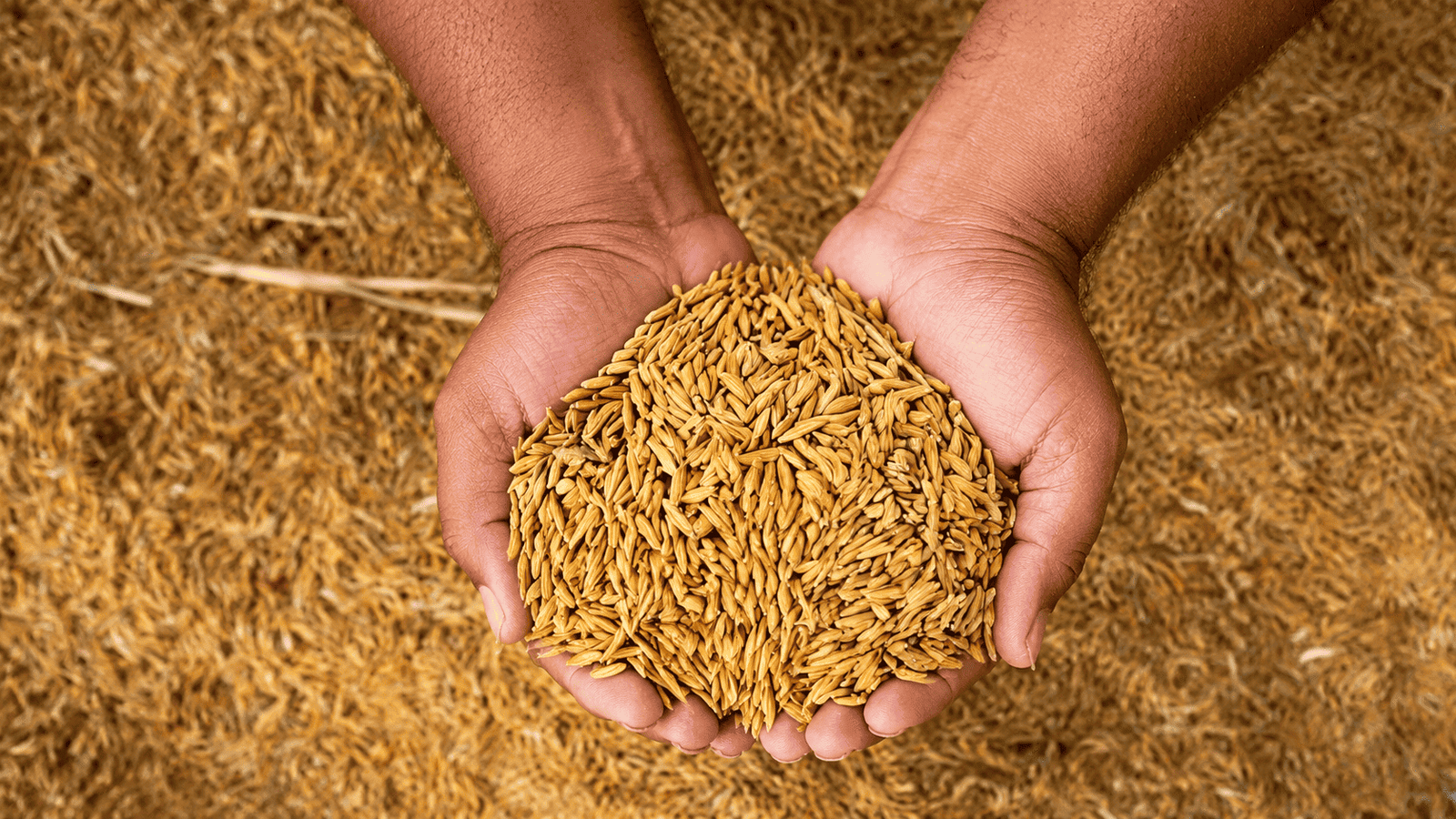
Organic Sweet Brown Rice is the whole-grain, bran-intact form of glutinous rice — a genetically distinct variety of Oryza sativa (var. glutinosa) prized across Asia for turning glossy, chewy, and clingy once cooked. In the trade it's also called sticky rice, waxy rice, or mochi rice. Despite the name, it contains no added sugar: “sweet” refers to its mild, faintly nutty aroma and its long association with festival foods and desserts rather than any sugar content.
What sets it apart at the molecular level is its starch. A recessive mutation in the plant's Waxy gene almost switches off amylose production, leaving the grain's starch at roughly 98–99 percent amylopectin — compared with 75–80 percent in ordinary long- or medium-grain rice. Amylopectin's branched structure gelatinizes into a soft, adhesive mass, which is why sweet rice fuses into a single sticky block instead of separating into individual grains the way basmati or jasmine does.
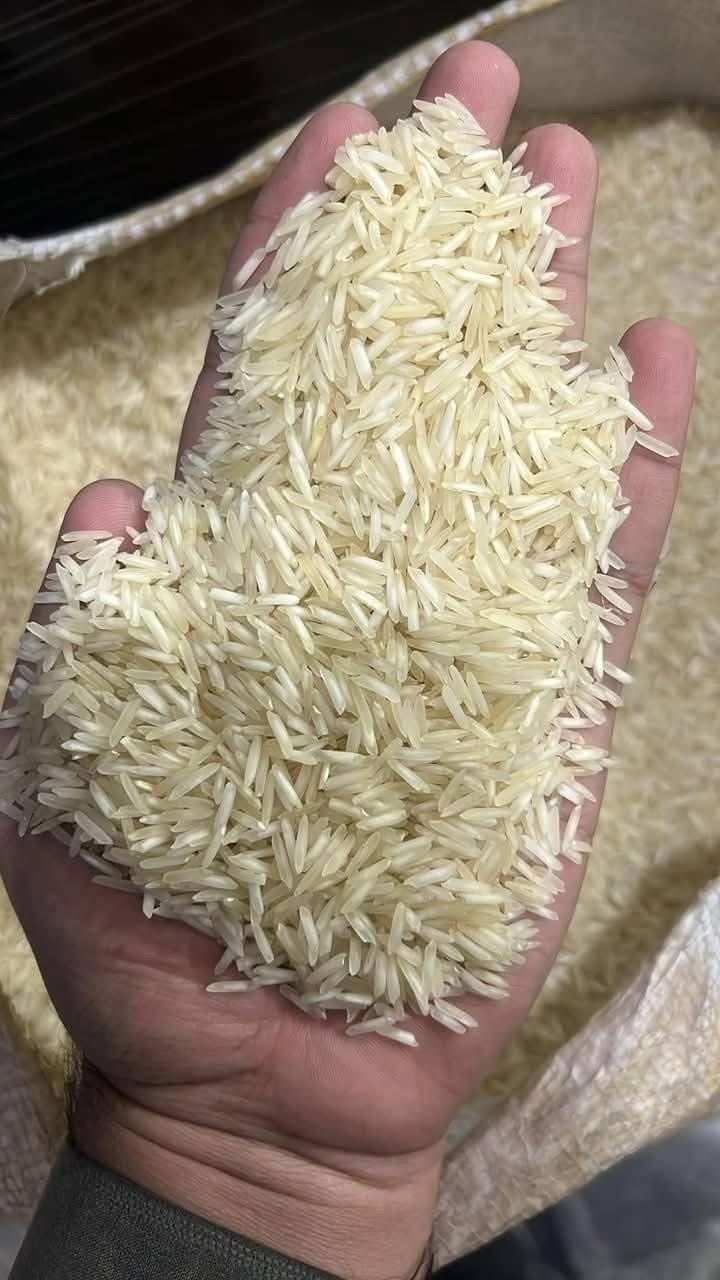
“Brown” describes the milling stage, not a separate cultivar. Once the inedible husk is removed, Organic Sweet Brown Rice keeps its bran and germ, giving it a light tan, slightly matte look, a firmer bite, and a nuttier flavor than the chalk-white, fully milled sweet rice (often labeled mochigome) used in most commercial mochi. Grains run short to medium — typically 4.8–5.5 mm uncooked — noticeably plumper and rounder than a slender basmati grain.
To carry the word “organic” into the US market, this rice must be grown without synthetic pesticides, herbicides, or chemical fertilizers for at least three years before harvest, and milled and packed in facilities that physically segregate organic and conventional lots. The result is a whole-grain, gluten-free staple that has become a fast-growing import category for US bakeries, Asian grocery chains, mochi and rice-cake manufacturers, and gluten-free brands moving toward more fiber-rich, whole-grain ingredients.
2. How Organic Sweet Brown Rice Is Grown
Most of the Organic Sweet Brown Rice we export traces back to the Brahmaputra Valley of Assam, in India's Northeast, where indigenous glutinous varieties collectively known as Bora rice have been grown for generations. Assamese households eat Bora rice with curd and jaggery during the Bihu festival and steam it into pitha (rice cakes) — a culinary role remarkably similar to how sticky rice is used across Laos, Thailand, and southern China, even though these traditions developed independently of one another.

Cultivation follows the region's monsoon-driven sali season: seedlings are transplanted into flooded paddies around July and harvested from late November through December, after roughly 140–150 days in the field. Unlike basmati, which needs careful drainage timed before flowering to concentrate its aromatic compounds, sweet rice paddies are typically kept flooded through most of the growing cycle — the variety tolerates standing water well, and its quality depends less on precise water timing than on soil fertility and even grain fill.
Organic certification follows the same multi-year discipline required of any certified crop: fields must be free of prohibited inputs for a minimum of 36 months before the first certified harvest, with buffer zones separating organic paddies from conventional neighbors. Soil fertility comes from crop rotation with legumes, composted farmyard manure, and biofertilizers rather than synthetic nitrogen, and pests are managed through pheromone traps, neem-based sprays, and conservation of natural predators instead of chemical insecticides.
Where basmati is deliberately aged in silos for 9–24 months to build aroma and elongation, Organic Sweet Brown Rice is handled the opposite way: it is milled close to the harvest date and moved to market quickly. The oils in its retained bran layer slowly oxidize over time, so freshness — not age — is the real mark of quality in this category. Every lot is still tracked from paddy to pack through the same NPOP and USDA NOP traceability records required of any certified organic export.
3. Nutritional Profile of Organic Sweet Brown Rice
Because it keeps its bran and germ, Organic Sweet Brown Rice sits closer to regular brown rice than to milled white rice on most nutrition labels — more fiber, more B vitamins, and more magnesium and manganese than its polished, sweet-white counterpart, while keeping the same soft, clingy texture that makes glutinous rice useful in desserts and dumplings.
A typical 100-gram serving of raw Organic Sweet Brown Rice provides roughly 360–365 kcal, 75–77 g of carbohydrate, 7–7.5 g of protein, and 3–3.5 g of dietary fiber, along with meaningful amounts of thiamin, niacin, magnesium, and manganese. Strip away the bran to make sweet white rice (mochigome) and the fiber collapses to under 1 g per 100 g, even though the calorie and carbohydrate counts barely change — almost all of the nutritional gap between sweet brown and sweet white rice comes down to that one retained layer.
Organic Sweet Brown Rice vs Sweet White Rice vs Regular Brown Rice — typical values, USDA FoodData Central
Columns are scaled within each nutrient group to the largest value in that group. Fiber shows the biggest gap: milling sweet brown rice down to sweet white rice cuts fiber by roughly 70–75%, while barely changing the calorie count.
4. Why Is Sweet Brown Rice Sticky? Amylose vs Amylopectin, Explained
Every rice grain's texture comes down to the ratio of two starch molecules: amylose, a straight chain that firms up and separates as it cools, and amylopectin, a branched molecule that stays soft, glossy, and clingy. Long-grain rices like basmati owe their fluffy, fork-separable texture to a relatively high amylose content of around 22–24 percent. Sweet rice sits at the opposite extreme of that scale.
A recessive mutation in the Waxy gene — which controls a starch-branching enzyme — leaves glutinous rice varieties with only about 1–2 percent amylose and 98–99 percent amylopectin, among the most lopsided starch profiles of any cultivated grain. That single-digit amylose level is why Organic Sweet Brown Rice clumps into a cohesive mass rather than separating into individual grains: there simply isn't enough straight-chain starch left to let the grains set apart from one another as they cool.
Lower amylose means a stickier, more cohesive cooked texture.
Figures are typical published ranges; amylose content varies a few percentage points by variety, growing season, and testing method.
The practical takeaway for buyers: sweet rice isn't just “a stickier basmati” that can be swapped 1:1 into fluffy-rice recipes, and basmati or jasmine can't be substituted into mochi or dumpling formulations without a completely different result. Product developers sourcing across categories should treat amylose content, not grain length or color, as the defining spec for texture.
5. Organic Sweet Brown Rice vs Other Rice Varieties
US buyers new to glutinous rice often ask how it compares with sushi rice, basmati, or risotto rice — three other varieties known for stickiness or starch release, but for very different reasons and uses.
| Variety | Grain & Milling | Amylose Content | Cooked Texture | Best Use |
|---|---|---|---|---|
| Organic Sweet Brown Rice | Short-grain, bran-intact | 1–2% (very low) | Sticky, chewy, glossy, fuses together | Mochi, rice cakes, dumplings, stuffing |
| Sweet White Rice (Mochigome) | Short-grain, fully milled | 1–2% (very low) | Very sticky, soft, translucent | Mochi, dim sum, rice pudding |
| Japanese Short-Grain (Sushi Rice) | Short/medium-grain, milled | 15–20% | Moderately sticky, holds shape | Sushi, onigiri, rice bowls |
| Organic White Basmati | Long-grain, aged | 22–24% | Fluffy, separate, elongated | Biryani, pilaf, gourmet sides |
| Arborio (Risotto Rice) | Medium-grain, milled | 19–21% | Creamy, starch releases into sauce | Risotto, rice pudding |
As the amylose figures suggest, stickiness in rice is a spectrum rather than a single trait. Sweet rice and sushi rice can look similar on a grocery shelf but behave very differently in the pot — sushi rice separates into distinct, seasoned grains, while true glutinous rice fuses into one mass. For buyers who need the opposite effect — a long, fluffy, separate grain — our Organic White Basmati Rice guide covers that category in full.
6. USDA Organic Certification: What It Means for US Buyers
As with any organic import, the word “organic” on Sweet Brown Rice bound for the United States is a regulated claim, not a marketing flourish. It falls under the USDA National Organic Program (NOP), codified at 7 CFR Part 205, and any shipment sold as organic must be produced and handled by operations certified under the NOP or a recognized equivalent standard.
India's National Programme for Organic Production (NPOP) holds USDA equivalence for crop production and handling, so glutinous rice grown and processed under NPOP-certified Indian farms and mills can be sold as organic in the US market without a separate on-the-ground USDA inspection. In practice, most export-grade lots carry both NPOP and USDA NOP certificates, issued by accredited bodies such as Control Union, Ecocert, Lacon, or SGS, to remove any ambiguity at the port of entry.
Before accepting a shipment, US importers, distributors, and private-label brands should request:
- Current organic certificates covering the farm group, the mill, and the exporter
- A shipment-specific organic transaction certificate (OTC)
- A lot traceability record linking the packed bags back to the certified farm group and harvest season
- Confirmation that packing facilities maintain documented allergen and gluten-free handling procedures, since sweet rice is frequently used in gluten-free product lines
Labeling rules under 7 CFR 205.300–205.307 govern whether packaging can carry the USDA organic seal, a “100% organic” claim, or the “organic” (95%+ organic ingredients) claim. Bulk Organic Sweet Brown Rice with no added ingredients typically qualifies for the “100% organic” label. As with any NOP-regulated product, importers must keep these records on file for at least five years for audit purposes.
7. Health Benefits of Organic Sweet Brown Rice
Because it keeps the bran, Organic Sweet Brown Rice brings more to the table nutritionally than the polished sweet white rice used in most commercial mochi and rice sweets — more fiber, more B vitamins, and meaningfully more magnesium and manganese, while keeping the same soft, clingy cooked texture the category is built on.
Glycemic response. This is where sweet rice diverges sharply from basmati or regular brown rice. Because its starch is almost pure amylopectin, published glycemic-index studies place white glutinous rice in the high-80s to high-90s — among the highest of any rice type. Retaining the bran moderates this somewhat, but Organic Sweet Brown Rice still sits in a high-GI band, likely in the mid-70s to mid-80s. It's best treated as an occasional, dessert-category grain rather than a daily starch, paired with protein, fat, or fiber to soften the blood-sugar response.
Further right = faster blood-sugar rise. Near-total amylopectin keeps sweet rice in the high band.
Glutinous white rice has been measured as high as the high-80s to high-90s in several published studies. Data specific to brown (bran-intact) glutinous rice is limited; the estimate above assumes a moderating effect similar in scale to the gap seen between white and brown basmati.
Gluten-free, despite the name. “Glutinous” refers to the glue-like texture of the cooked starch, not to wheat gluten. Like every true rice, Organic Sweet Brown Rice is naturally free of gluten and suitable for people with celiac disease or wheat sensitivity, provided the milling and packing line maintains documented cross-contamination controls.
Resistant starch — a nuance worth knowing. Cooling and reheating high-amylose rices like basmati increases their resistant-starch content through a process called retrogradation, which can modestly blunt the glycemic response of leftovers. Because sweet rice starts with so little amylose, it forms comparatively little resistant starch on cooling — another reason it behaves differently from long-grain rice in a meal-prep context.
Digestibility and minerals. The soft, fully gelatinized texture of cooked sweet rice makes it easy to digest, and it's a traditional recovery or infant food in several Asian cuisines. The retained bran also carries phytates alongside its minerals, so, as with any brown rice, a thorough soak before cooking is recommended to improve mineral availability.
Arsenic and residue screening. Like all rice, glutinous rice takes up trace arsenic from soil and irrigation water. Because Organic Sweet Brown Rice keeps its bran — where arsenic tends to concentrate slightly more than in the milled endosperm — buyers should request a third-party heavy-metals panel for each lot, alongside the pesticide-residue testing already implied by organic certification.
8. How to Cook Perfect Organic Sweet Brown Rice
Sweet rice isn't cooked like basmati or jasmine. Because its starch gelatinizes so readily, too much water turns it into porridge rather than the distinct, chewy grains used in mochi, dumplings, and rice cakes. The traditional method — a long soak followed by steaming rather than boiling — gives the most reliable result.
Step-by-step: soak-and-steam method
- Rinse. Measure one cup (about 200 g) of Organic Sweet Brown Rice and rinse it under cold water two to three times, swirling gently, until the water runs mostly clear.
- Soak. Cover the rinsed rice with at least double its volume of fresh cold water and soak for a minimum of 4 hours, ideally 6–8 hours or overnight. The intact bran slows water uptake far more than milled rice, so shortening this step is the most common cause of unevenly cooked sweet rice.
- Set up the steamer. Drain the rice well. Line a bamboo or metal steamer basket with cheesecloth or a banana leaf and set it over a pot with 2–3 inches of gently boiling water, keeping the basket above the waterline without touching it.
- Steam. Spread the rice in an even layer no more than 5 cm deep, cover, and steam for 25–35 minutes, gently turning it with a spatula halfway through so the layer cooks evenly on both sides.
- Rest and fluff. Remove the basket from the heat and let the rice rest, covered, for 5 minutes. Fluff gently with a rice paddle dipped in water before serving or shaping.
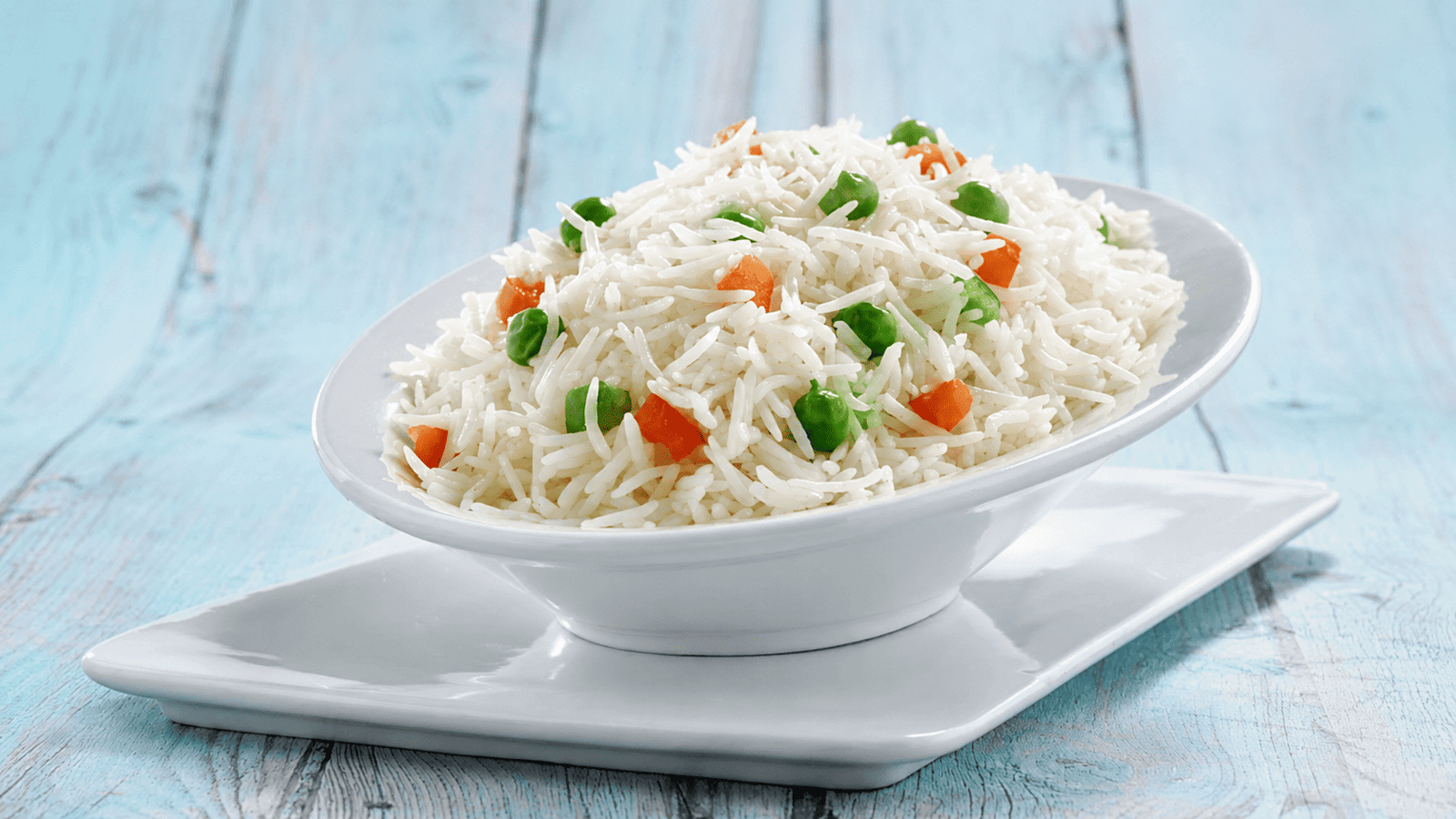
All three start with a long soak — the intact bran slows water absorption more than milled rice.
Sweet rice uses noticeably less water than long-grain absorption cooking — basmati typically calls for a 1:1.5 ratio — because its starch gelatinizes and thickens so readily on its own.
For weeknight convenience, Organic Sweet Brown Rice can also be cooked using the absorption method in a rice cooker or covered pot, as shown above. Whichever method is used, the long soak is not optional — it's what allows the bran-covered grain to cook through evenly instead of staying hard in the center.
9. Importing Organic Sweet Brown Rice to the United States
The regulatory path for Organic Sweet Brown Rice mirrors the general process for any organic rice import, with a couple of category-specific differences worth flagging for a first-time buyer.
FDA Prior Notice
Under the Bioterrorism Act, prior notice must be filed electronically — through FDA's Prior Notice System Interface (PNSI) or via ABI/ACE — before the shipment arrives at a US port, typically no earlier than 30 days and no later than the time the goods are en route. Rice imports, including glutinous varieties, are generally filed under FDA Product Code 34 — Cereal Preparations / Rice.
USDA Organic Compliance
Every shipment must travel with an NOP Transaction Certificate from a USDA-accredited certifier, and the US importer (or first receiving handler) must itself be certified organic, or operate under a documented organic handling plan covering storage and segregation. Any brand placing the USDA organic seal on retail packaging must be certified in its own right.
Phytosanitary Certificate
An APEDA-issued phytosanitary certificate, obtained through India's Plant Protection Organization, confirms the shipment is free of quarantined pests. The original travels with the goods for review by CBP and USDA APHIS at the port of entry.
APEDA Documentation
Because Organic Sweet Brown Rice is a non-basmati rice type, it does not fall under APEDA's Basmati Export Tracking System and does not require DNA-based purity testing — a genuine simplification compared with basmati exports. Registration instead runs through APEDA's general exporter framework (RCMC registration), together with a standard Certificate of Origin for the consignment.
HS Code & Duties
Because it retains its bran, Organic Sweet Brown Rice is generally classified under HS 1006.20 (husked/brown rice) rather than the 1006.30 heading used for milled white rice. National tariff schedules, including the US HTS, add statistical suffixes under this heading to separately identify organic and glutinous rice for customs and trade-data purposes; a licensed customs broker should confirm the exact 10-digit line and current duty rate for a specific shipment.
Port of Entry & Customs Clearance
Rice typically enters through the Port of New York/New Jersey, Los Angeles/Long Beach, Houston, Savannah, or Oakland. A formal CBP entry is filed through ACE with the commercial invoice, packing list, bill of lading, phytosanitary certificate, organic transaction certificate, and FDA prior notice confirmation; FDA and CBP may pull samples for pesticide or microbiological screening before release.
10. Bulk Sourcing & Packaging Options
Demand for Organic Sweet Brown Rice in the US comes from a noticeably different buyer mix than long-grain rice: mochi and rice-cake manufacturers, Asian dessert and bakery brands, gluten-free product lines, and specialty grocery distributors, alongside the usual foodservice and retail channels.
Bars use a compressed scale so the smallest and largest formats both stay visible on one chart.
Because the bran layer is more prone to oxidation than milled white rice, we recommend vacuum-sealed or nitrogen-flushed packaging for retail formats and faster turnover for wholesale lots.
Retail tiers. 1 kg and 5 kg pouches serve specialty grocery and small foodservice buyers. Because the bran is more prone to oxidation than milled sweet white rice, vacuum-sealed or nitrogen-flushed retail pouches are recommended to protect shelf life and aroma.
Wholesale tiers. 25 kg and 50 kg PP woven bags remain the standard format for US distributors and manufacturers buying by the pallet. As with any bran-intact rice, faster inventory turnover is advisable compared with sweet white rice.
Industrial tiers. 1 MT FIBC jumbo bags suit large-scale mochi and snack manufacturers and co-packers who process the rice quickly after receipt rather than holding long-term stock.
Minimum order quantities for certified organic sweet brown rice typically start at 1 metric ton for wholesale, with container-load efficiency reached around 18–22 MT (20-ft FCL) or 25–28 MT (40-ft FCL) for bagged rice. Private-label retail runs generally carry a higher MOQ, often 3–5 MT, to justify packaging-film and printing-plate setup.
Lead times. From a confirmed purchase order to vessel sailing, plan for 3–5 weeks for stock inventory and 6–8 weeks for private-label production — a shorter, freshness-driven window compared with aged basmati. Sea transit to US East Coast ports typically runs 25–35 days from Indian origin ports.
11. Frequently Asked Questions
Common questions from US bakeries, distributors, and retail brands evaluating Organic Sweet Brown Rice for their sourcing pipeline.
Organic sweet brown rice (also called glutinous, sticky, or waxy rice) is a whole-grain, bran-intact variety of Oryza sativa var. glutinosa grown without synthetic pesticides or fertilizers for at least three years. Despite the name, it contains no added sugar — “sweet” refers to its mild aroma and its long history in Asian desserts. Its starch is almost pure amylopectin, which is what makes it turn glossy and sticky once cooked.
No. Regular brown rice is a long- or medium-grain variety with a typical amylose content of 20–25%, which keeps the grains relatively separate when cooked. Sweet brown rice comes from a genetically distinct glutinous rice type with only 1–2% amylose, so it cooks up chewy and clumped rather than fluffy. Both retain the bran layer, so their fiber and mineral content are similar.
No. “Glutinous” describes the glue-like stickiness of the starch, not the wheat protein gluten. Like all rice, organic sweet brown rice is naturally gluten-free and safe for people with celiac disease, provided it is milled and packed in a facility with documented allergen controls.
It is more moderate than milled sweet white rice, because the intact bran slows digestion slightly, but its glycemic index still sits in the high range (roughly 75–85) due to its almost pure amylopectin starch. People managing blood sugar should treat it as an occasional dessert-style grain rather than a daily staple, and pair it with protein, fat, or fiber to blunt the response.
Because the bran layer contains natural oils, organic sweet brown rice has a shorter shelf life than white sweet rice — typically 6–9 months at room temperature. Store it in an airtight, food-grade container in a cool, dark place, or refrigerate or freeze it to extend freshness well beyond 6 months.
Sushi rice is a short-grain Japonica rice with moderate amylose (roughly 15–20%) that holds together but still separates into individual grains. Sweet (glutinous) rice has almost no amylose (1–2%), so it fuses into a single sticky mass — the texture needed for mochi, dumplings, and rice cakes, but not appropriate for sushi.
Yes. Organic Sweet Brown Rice is available in 25 kg and 50 kg PP woven bags and 1 MT FIBC jumbo bags for wholesale buyers, and in 1 kg and 5 kg retail-ready pouches for private-label programs. Minimum order quantity for wholesale typically starts at 1 metric ton. Request a bulk quote here.
Our primary source for Organic Sweet Brown Rice is the Brahmaputra Valley of Assam in Northeast India, home to indigenous glutinous varieties known locally as Bora rice. Glutinous rice is also cultivated across parts of Southeast Asia, Japan, and China. Assam's high-rainfall monsoon climate and alluvial soils suit this water-loving glutinous variety well.
12. Conclusion
Organic Sweet Brown Rice occupies a corner of the rice market that basmati and jasmine simply cannot reach: an almost pure-amylopectin, whole-grain glutinous rice built for mochi, rice cakes, dumplings, and dessert applications, carrying the fiber and mineral profile of a bran-intact grain along with full USDA NOP and NPOP organic documentation.
For US bakeries, gluten-free brands, Asian grocery distributors, and co-packers evaluating this category, the sourcing decision comes down to three things: verified organic paperwork, a mill that ships fresh rather than aged stock, and packaging that protects the bran layer in transit. Our export desk can provide certificates, samples, and a tailored quotation for any volume within one business day.
Ready to Source Organic Sweet Brown Rice?
Get a tailored quotation with full USDA NOP, NPOP & APEDA documentation. Our export desk responds to all US buyer inquiries within one business day.