
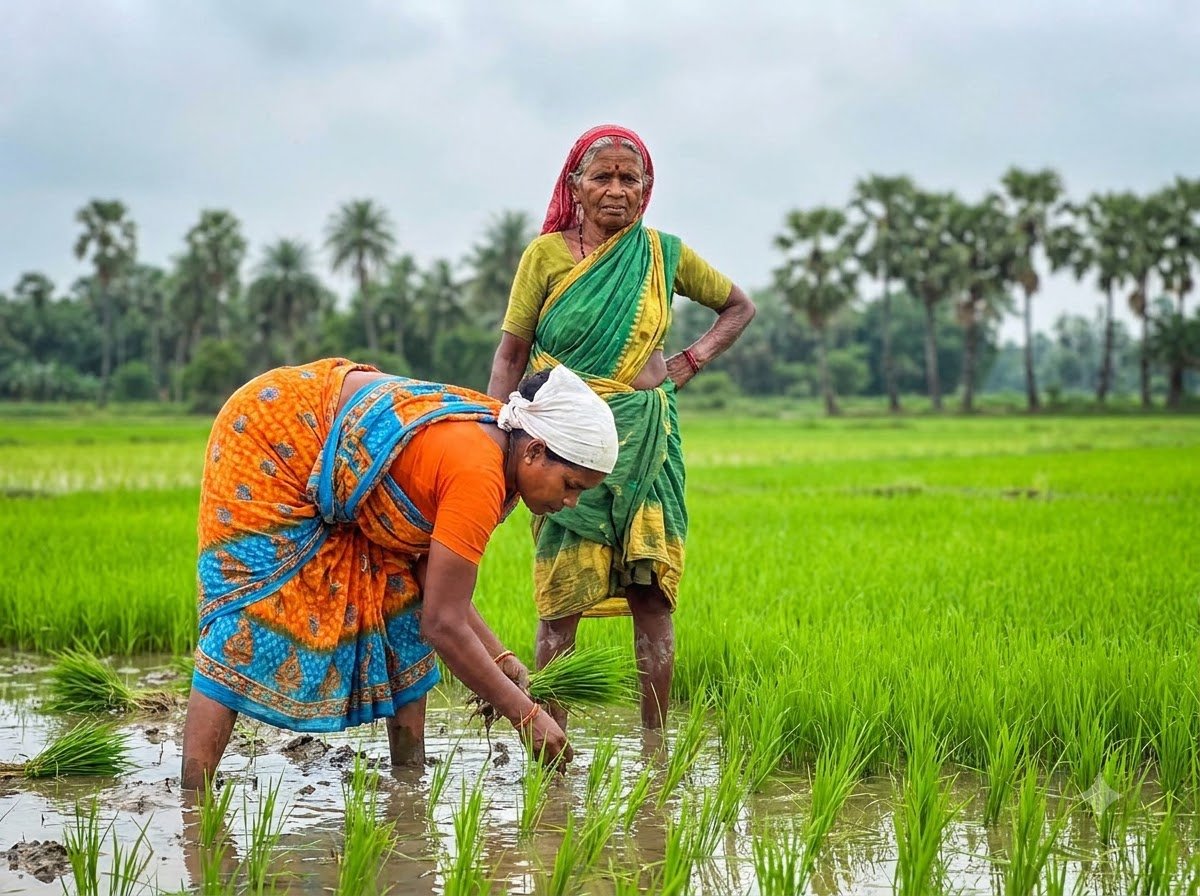
1. What Is Organic White Jasmine Rice?
Jasmine rice is an aromatic, long-grain rice most closely associated with Thailand, where it is traditionally known as khao hom mali — literally “jasmine-scented rice.” The name describes the grain’s own natural fragrance rather than any added flower flavoring: as the rice cooks, it releases a light floral, almost popcorn-like aroma produced by a compound called 2-acetyl-1-pyrroline, which jasmine varieties carry at far higher concentrations than ordinary long-grain rice. “White” jasmine rice is the fully milled version of the grain, polished to remove the bran and germ, as opposed to brown jasmine rice, which keeps its bran layer intact.
Organic white jasmine rice takes that same aromatic grain and grows, harvests and processes it under certified organic standards: certified organic seed, land free of prohibited synthetic pesticides, herbicides and fertilizers for a documented 36-month transition period, and a fully traceable, segregated supply chain from paddy to package. In the United States, that claim is regulated by the USDA National Organic Program (NOP) under 7 CFR Part 205. Imported organic jasmine rice must be certified either directly under NOP or by a USDA-accredited certifying agent operating in the country of origin — a distinction that matters a great deal for jasmine rice specifically, since its primary origin, Thailand, does not have a blanket organic equivalency arrangement with the US.
Within the jasmine category, buyers will also encounter the term Thai Hom Mali rice, a stricter, government-regulated grade rather than a synonym for jasmine rice in general. Thailand’s Ministry of Commerce reserves the Thai Hom Mali certification mark for rice grown from the KDML 105 or RD15 varieties within Thailand, meeting a minimum 92 percent varietal purity, a whole-kernel length of at least 7.0 millimeters, and moisture content under 14 percent. Rice simply labeled “jasmine” in a US grocery aisle may come from Thailand, Vietnam, Cambodia, or a blend of origins, and is not required to meet any of these thresholds. Organic certification and the Hom Mali mark are two separate, independent claims — a shipment can carry one, both, or neither, so buyers who want the full pedigree should ask specifically for organic, certified Thai Hom Mali rice rather than assuming the two terms mean the same thing.
Demand for organic white jasmine rice in the US has grown alongside broader interest in clean-label pantry staples and the mainstreaming of Southeast Asian cuisine, moving well beyond specialty grocers into everyday retail and foodservice. For importers, distributors and private-label brands, understanding exactly what “organic” guarantees on a bag of jasmine rice — and what a Hom Mali mark adds on top of that — is the first step to sourcing with confidence.
2. Organic White Jasmine Rice vs. Other Rice Types
Buyers new to jasmine rice often want to know how it actually differs from basmati, plain long-grain white rice, or sushi rice, beyond the name on the bag. The distinctions come down mostly to starch structure: jasmine rice is relatively low in amylose, the starch component that keeps grains firm and separate, which is why it turns out softer and slightly clingy compared with high-amylose rices like basmati.
| Type | Amylose | Aroma | Cooked Texture | Best Use |
|---|---|---|---|---|
| Organic White Jasmine Rice | Low (~12–18%) | Strong, floral, popcorn-like | Soft, tender, lightly clingy | Thai & Vietnamese dishes, stir-fries, curries |
| Organic Brown Jasmine Rice | Low (~12–18%) | Same floral aroma, nuttier | Chewier, more fiber, more bite | Health bowls, same cuisines with added texture |
| Organic Basmati Rice | Medium–high (~23–28%) | Nutty, mild popcorn-like note | Fluffy, dry, grains elongate and stay separate | Biryani, pulao, pilaf |
| Organic Long-Grain White Rice | Medium (~20–25%) | Neutral | Fluffy, separate grains | Everyday meals, sides |
| Organic Sushi / Short-Grain Rice | Very low, different starch structure | Neutral | Very sticky, clumps together | Sushi, rice balls, molded dishes |
Relative index (0–100) — jasmine leads on natural fragrance, basmati leads on grain elongation when cooked.
Illustrative relative index based on published 2-acetyl-1-pyrroline and grain-elongation research; actual values vary by variety, crop year and cooking method.
In practice, most US foodservice and retail buyers choose jasmine rice specifically for its fragrance and soft texture — qualities that make it the default steamed rice across Thai, Vietnamese, Cambodian and Lao menus — while reaching for basmati when a firm, separate grain matters more than aroma. Many distributors carry both, since the two rarely compete for the same dish.
3. How Organic White Jasmine Rice Is Grown
Authentic jasmine rice is a photoperiod-sensitive crop: the classic KDML 105 variety only flowers as day length shortens in the fall, which is why Thailand’s main jasmine crop is harvested once a year, typically in November, rather than multiple times like some other rice varieties. Most of the country’s highest-quality jasmine rice is rain-fed and grown on the Thung Kula Ronghai plateau in Thailand’s northeastern Isaan region, where sandy, low-fertility soil and cooler nights just before harvest are widely credited with intensifying the grain’s natural aroma.
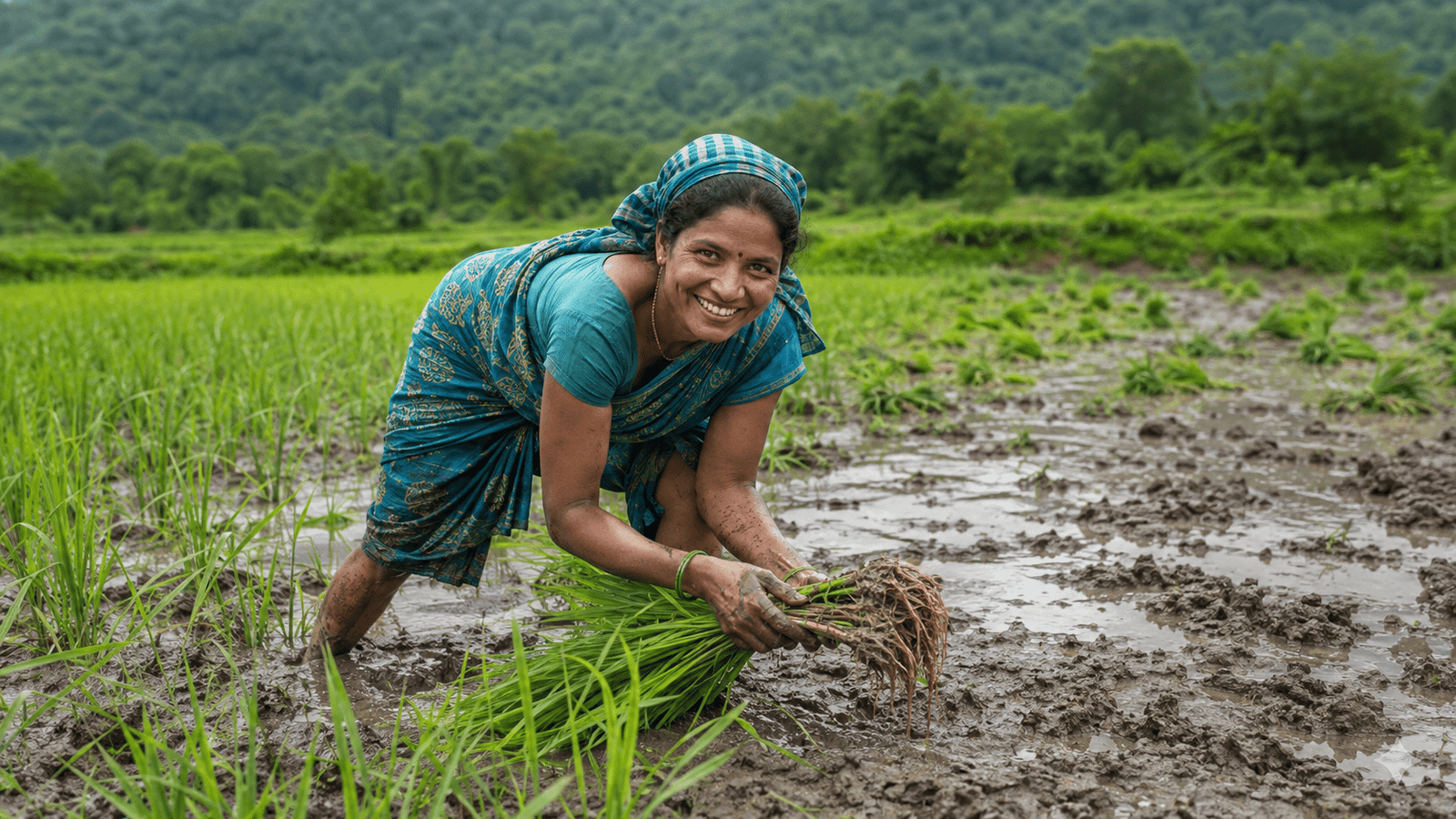
Organic jasmine rice follows this same rain-fed cycle but adds the full weight of certified organic practice on top of it: certified organic seed saved from previous organic harvests, buffer zones separating organic paddies from neighboring conventional fields, and soil fertility maintained through crop rotation, green manures, composted farmyard manure and biofertilizers rather than synthetic inputs. Pest pressure is managed with light traps, pheromone traps for stem borers, neem-based formulations, and conservation of natural predators such as spiders and dragonflies.
Because much of Thailand’s jasmine rice belt is rain-fed rather than continuously flooded, water management is somewhat less central to the organic story here than it is for irrigated rice elsewhere — but where irrigation is used, increasingly through alternate wetting and drying, it still helps reduce methane emissions and can modestly lower arsenic uptake. At harvest, the crop is threshed and dried to roughly 14 percent moisture, then stored in food-grade bags or silos kept segregated from conventional stock. For lots seeking the Thai Hom Mali certification mark, an additional layer of DNA-based purity testing verifies the grain is genuinely KDML 105 or RD15 rather than a mix with non-aromatic rice, a safeguard against the accidental contamination that can occur when shared harvesting equipment moves between organic and conventional or aromatic and non-aromatic fields.
A single main crop per year — the photoperiod-sensitive KDML 105 variety flowers only as days shorten in autumn.
Timing is representative for Thailand’s main rain-fed jasmine belt; some irrigated areas also grow a smaller off-season crop.
4. USDA Organic Certification for Jasmine Rice Imports
For a US-bound shipment, “organic” is a legally defined claim regulated by the USDA National Organic Program under 7 CFR Part 205, not a marketing word. To be sold as organic in the United States, jasmine rice must be produced and handled by operations certified under the NOP, or under a foreign organic standard the USDA has formally recognized as equivalent.
This is where jasmine rice buyers need to pay closer attention than they might for, say, Indian basmati. The USDA currently maintains full organic equivalency arrangements with the European Union, Canada, Japan, South Korea, Switzerland and Taiwan — but not with Thailand. That means organic jasmine rice grown in Thailand cannot rely on Thailand’s own domestic organic mark (administered by Thailand’s National Bureau of Agricultural Commodity and Food Standards) to qualify as “USDA organic.” Instead, the farm, mill and exporter must be certified directly under NOP standards by a USDA-accredited certifying agent operating in-country. A supplier who can produce this certificate, rather than only a Thai domestic organic mark, is the one whose jasmine rice will clear US organic labeling requirements.
US buyers should request and verify the following for every shipment of organic white jasmine rice:
- Valid USDA NOP organic certificates for the producer, the mill and the exporter, covering the full chain of custody
- An NOP transaction certificate specific to the shipment lot
- A lot traceability report linking the shipment back to the certified farm group
- For premium lots, the Thai Hom Mali certification mark or DNA-based purity report, as a separate credential alongside organic status
Reputable exporters can produce documentation for each of these on request.
Ask for these documents before, not after, the shipment sails — retroactive paperwork is far harder to obtain.
Labeling rules under 7 CFR 205.300–205.307 govern whether a product may use the USDA organic seal, the “100% organic” claim, or the “organic” (95 percent or more organic content) claim; a product with 70–95 percent organic content may only say “made with organic jasmine rice” and cannot carry the USDA seal. Importers, distributors and private-label brands must retain these records for at least five years and make them available for USDA NOP compliance audits.
5. Nutrition & Health Profile of Organic White Jasmine Rice
Because it is a fully milled, non-glutinous long-grain rice, organic white jasmine rice sits nutritionally close to other milled white rice: a clean, easily digestible source of carbohydrate with modest protein and very little fat or fiber. The chart below breaks down the approximate macro-nutrient composition per 100 grams of raw grain.
Typical published values for organic white jasmine rice, uncooked.
Approximately 356 kcal per 100g raw (roughly 130 kcal per 100g cooked, once water is absorbed). Being fully milled, white jasmine rice carries less fiber than brown jasmine, red or black rice.
Glycemic response is where jasmine rice most clearly stands apart from other aromatic rice. Because it is relatively low in amylose and cooks up soft, jasmine rice’s starch tends to digest faster than higher-amylose rices like basmati. Published glycemic index (GI) figures for jasmine rice vary considerably by study, cooking method and rice source — results in the research literature range from the high 60s to well over 90 — but jasmine rice is consistently measured higher than basmati or brown rice, and is generally regarded as a medium-to-high GI food rather than a low-GI one. Cooling cooked jasmine rice before reheating, or pairing it with protein, fat or fiber-rich sides, tends to blunt the resulting blood-sugar rise. Because the published values differ so much between studies, this is general background information rather than a precise number to rely on; anyone managing diabetes or another blood-sugar-related condition should discuss specific rice choices with a healthcare provider.
A few other points matter for US buyers evaluating jasmine rice on health grounds. Gluten-free status: like all true rice, jasmine rice is naturally gluten-free, though facilities should be verified for documented gluten-free handling. Digestibility: its soft texture and low fiber content make white jasmine rice gentle on sensitive digestive systems, which is part of why it appears so often in bland-diet and recovery-meal contexts across Southeast Asian cuisine. Sodium and additives: plain organic jasmine rice contains no added sodium or preservatives, a point private-label brands frequently highlight on clean-label packaging.
6. Aroma, Texture & Culinary Uses
The compound behind jasmine rice’s signature scent, 2-acetyl-1-pyrroline, is not unique to rice: it is the same aromatic molecule responsible for the smell of fresh bread crust and pandan leaf, which is part of why jasmine rice is often described as smelling faintly of popcorn or toasted bread as it steams. Jasmine varieties simply produce far more of it than ordinary long-grain rice. Research on Thailand’s Isaan growing region points to sandy, mineral-lean soils, drier growing conditions and cooler nights in the weeks before harvest as key factors that intensify this aroma — part of why the Thung Kula Ronghai plateau built its reputation for the most fragrant jasmine rice in the country. Aroma also fades gradually in storage, which is why crop-year freshness matters more for jasmine rice than for many other rice types; buyers sourcing premium lots should ask for current-crop stock rather than older carryover inventory.
Texture is the other defining trait. Jasmine rice’s relatively low amylose content means the cooked grains stay soft and cling together lightly, without the dry, fully separate bite of basmati or plain long-grain rice, yet without the heavy stickiness of short-grain sushi rice either. The gauge below places organic white jasmine rice on the broader amylose spectrum that determines rice texture.
Lower amylose content generally means a softer, slightly stickier cooked texture.
(Sticky Rice) Jasmine-Type
(Soft) Long-Grain
(Fluffy) Basmati-Type
(Firm & Dry)
Amylose ranges are typical published bands; individual crop years and specific varieties can shift a rice type’s exact position.
This texture is exactly what makes jasmine rice the default steamed rice across Thai, Vietnamese, Cambodian and Lao cooking — it holds up well under stir-fries and curries, and its light stickiness makes it easy to eat with a spoon rather than chopsticks alone, which is how it is traditionally served in Thailand. One well-known kitchen trick is worth passing on to foodservice buyers: freshly cooked jasmine rice is actually too soft and moist for good fried rice, so restaurants typically cook it a day ahead and refrigerate it uncovered, letting the grains firm up and separate slightly before they hit the wok.
7. How to Cook Organic White Jasmine Rice
Jasmine rice cooks differently from basmati or plain long-grain rice in two important ways: it needs less water, and it does not benefit from a long soak the way basmati does. Because the grains are already soft and lower in amylose, an extended soak can leave jasmine rice waterlogged and mushy rather than improving its texture, so most cooks skip soaking altogether and rely on a short rinse instead.
A standard stovetop ratio is 1 cup organic white jasmine rice to 1–1.25 cups water, noticeably less liquid than the roughly 1:1.5 ratio typical of basmati or long-grain rice. Rice cookers, which lose more moisture to steam, often call for slightly more water, closer to 1:1.25–1.5. The chart below compares typical cook times across the three most common home and foodservice methods.
Total time from stovetop boil, rice cooker cycle, or pressurized cooking to a rested, ready-to-fluff pot.
Times include a rest period after cooking; rice cooker time includes its automatic warm-up and steam cycle, which runs longer than an open stovetop pot.
Step-by-step: stovetop absorption method
- Rinse. Place the organic white jasmine rice in a fine-mesh strainer and rinse briefly under cold water until the runoff is mostly clear. A quick rinse is enough — unlike basmati, jasmine rice does not need a long soak.
- Measure. Use a 1:1 to 1:1.25 ratio of rice to water. A small pinch of salt is optional; jasmine rice’s aroma is usually strong enough to stand on its own.
- Cook. Bring to a boil, reduce immediately to the lowest simmer, cover with a tight-fitting lid, and cook undisturbed for about 15 minutes without lifting the lid.
- Rest. Remove from the heat and let the covered pot rest 5–10 minutes so the grains finish steaming and firm up slightly.
- Fluff. Fold the rice gently with a fork or rice paddle to separate the grains before serving.
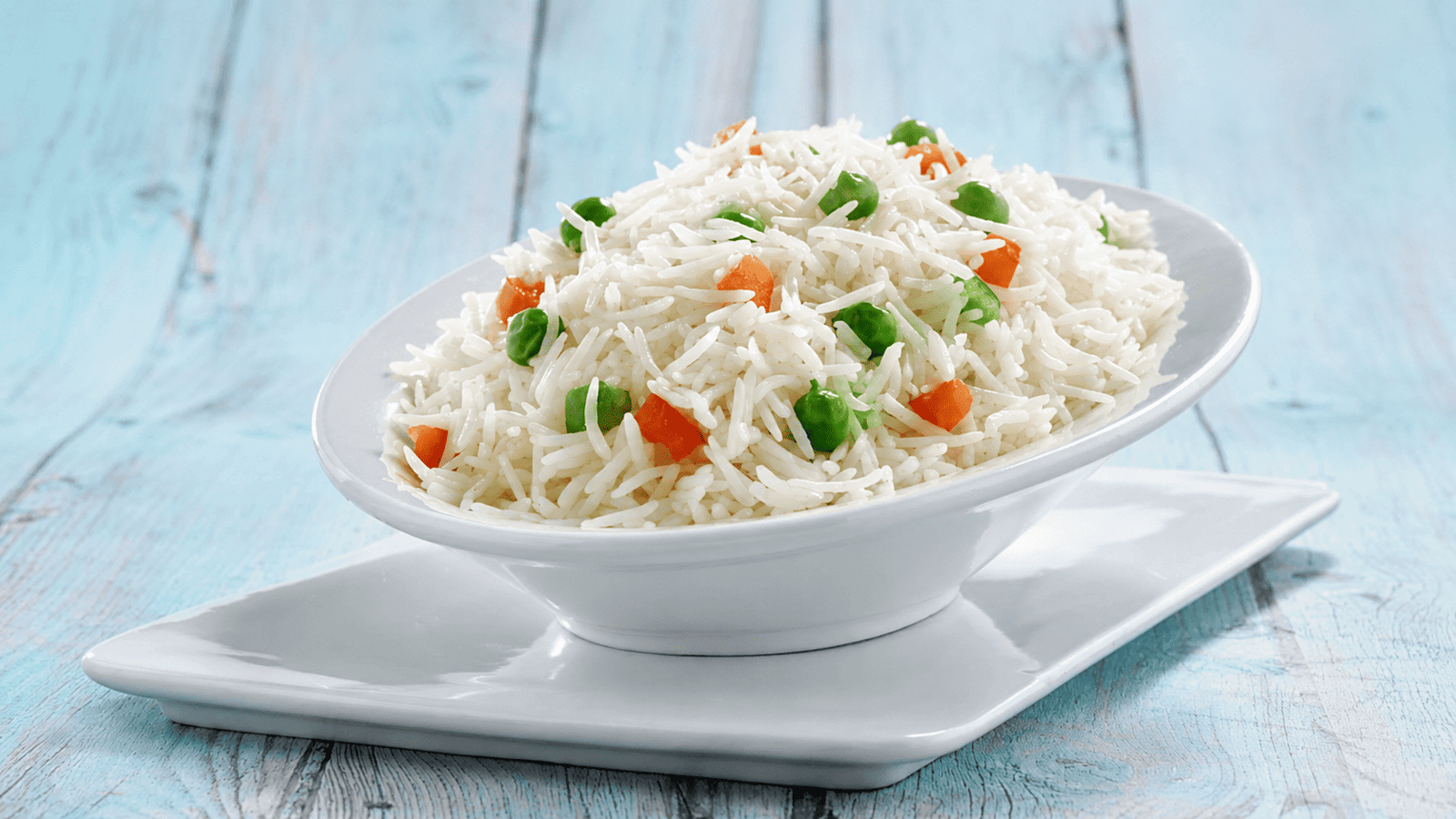
8. Importing Organic White Jasmine Rice to the United States
Bringing organic white jasmine rice into the United States, most of it originating in Thailand, involves coordinated compliance across several federal agencies plus Thailand’s own export system. Understanding the process up front helps US importers, distributors and private-label brands avoid costly port holds and certification gaps.
FDA Prior Notice
Under the Bioterrorism Act, prior notice must be filed electronically through FDA’s Prior Notice System Interface (PNSI) or via ABI/ACE before the shipment arrives at a US port, typically no earlier than 30 days and no later than the time the shipment is en route. Organic jasmine rice generally falls under FDA Product Code 34 — Cereal Preparations / Rice.
USDA Organic Compliance
As covered above, Thailand has no blanket USDA organic equivalency arrangement, so shipments must carry an NOP transaction certificate issued by a USDA-accredited certifier operating in Thailand. The importer, or first US recipient handling the product, generally also needs to be certified organic under NOP, or to operate under a certified organic system plan documenting handling, storage and segregation. Private-label brands placing the USDA organic seal on retail packaging must be certified themselves.
Phytosanitary Certificate
A government-issued phytosanitary certificate from Thailand’s Department of Agriculture confirms the rice is free from quarantined pests. The original accompanies the shipment; US Customs and Border Protection (CBP) and USDA APHIS review it at the port of entry.
Thailand-Specific Export Documentation
Exporters shipping under the Thai Hom Mali certification mark must be registered with the Department of Foreign Trade’s Office of Commodity Standards and provide DNA-based purity test results confirming the rice meets the 92 percent varietal purity threshold. A standard Certificate of Origin is required for all shipments regardless of grade. A reliable supplier should be able to walk US buyers through exactly which of these documents apply to a given lot, since generic jasmine rice and Hom Mali-certified rice follow slightly different paperwork trails.
HS Code & Duties
Organic white jasmine rice, being fully milled, is generally classified under Harmonized System code 1006.30 (semi-milled or wholly milled rice); husked or brown jasmine rice falls under 1006.20. Most-favored-nation duty rates vary by code and origin; importers should confirm current rates with a licensed customs broker before finalizing a purchase order.
Port of Entry & Customs Clearance
Because Thai jasmine rice typically routes across the Pacific, Los Angeles/Long Beach handles a significant share of US-bound volume, alongside the Port of New York/New Jersey, Houston, Savannah and Oakland. Dry milled rice does not require cold storage, but humidity-controlled drayage helps preserve both quality and aroma. A formal CBP entry is filed via ACE (Automated Commercial Environment) with the commercial invoice, packing list, bill of lading, phytosanitary certificate, organic transaction certificate and FDA prior notice confirmation. FDA and CBP review the entry, and sampling may occur for pesticide or microbiological screening.
9. Bulk Sourcing & Packaging Options for Organic White Jasmine Rice
US buyers of organic white jasmine rice typically source in volumes ranging from a single pallet to multiple container-loads per month. Standard export packaging reflects this ladder of demand, from retail pouches to industrial bulk bags.
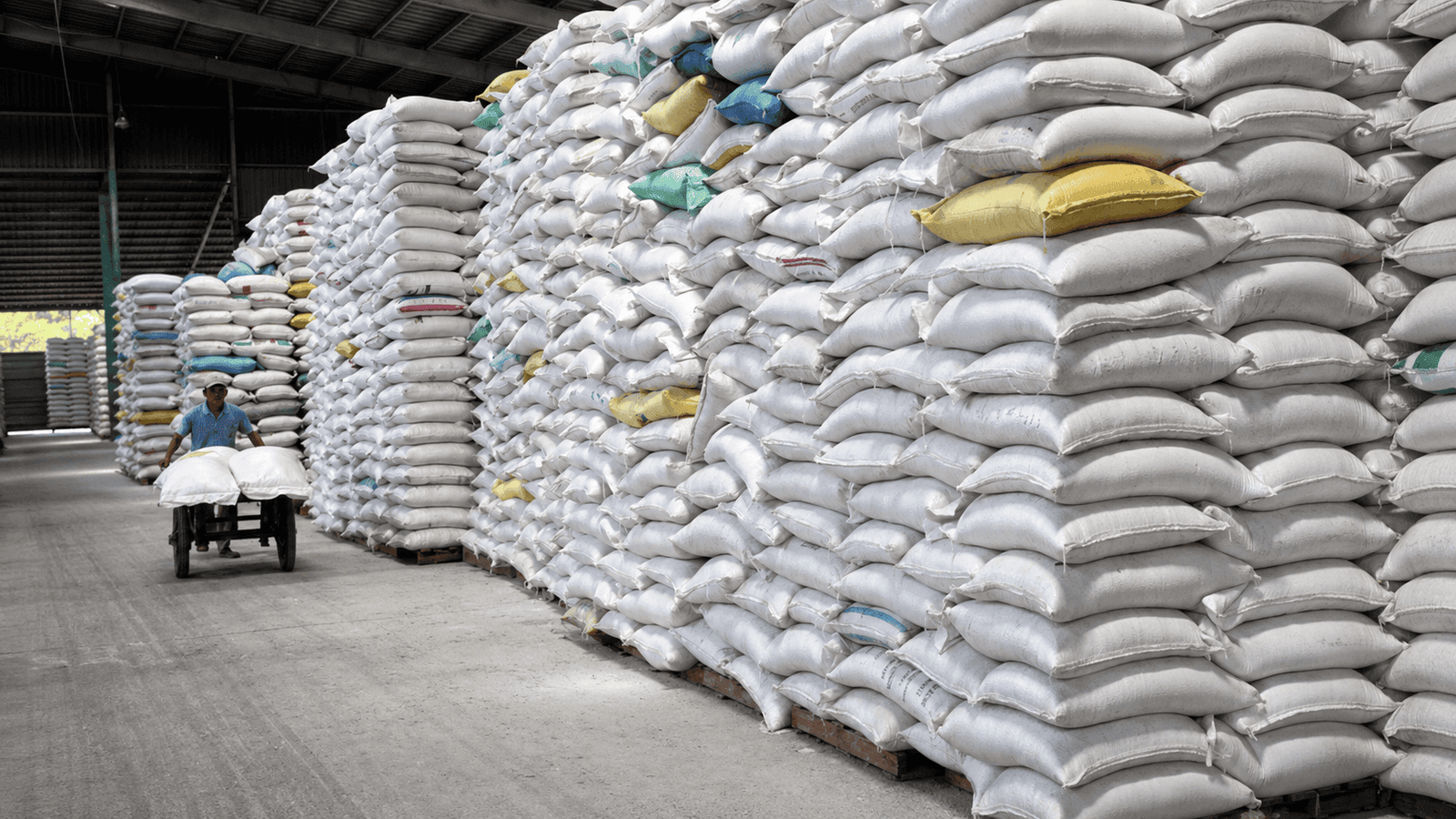
Retail & foodservice tiers. 1 kg and 5 kg pouches serve retail grocery and small foodservice accounts. 10 kg and 25 kg bags cover Thai and Vietnamese restaurants, institutional kitchens and small distributors. All retail packaging for organic jasmine rice must use food-grade, FDA-compliant materials that have not been treated with prohibited substances.
Wholesale tiers. 25 kg and 50 kg PP woven bags are the workhorse format for US distributors and bulk buyers, typically palletized at around 1.0–1.2 MT per pallet.
Industrial tiers. 1 MT FIBC (Flexible Intermediate Bulk Container) jumbo bags suit co-packers, re-packers and large institutional buyers, reducing both handling cost and pallet count per metric ton shipped.
Minimum order quantities. For certified organic jasmine rice, wholesale MOQ typically starts around 1 metric ton. Container-load efficiency is generally reached above roughly 18 metric tons for a 20-ft FCL, or 25–28 metric tons for a 40-ft FCL of bagged rice. Private-label retail packaging usually requires a higher MOQ, often in the 5–10 metric ton range, due to printing-plate and packaging-film setup.
Lead times. From a confirmed purchase order to vessel sailing, typical lead time runs 4–6 weeks for stock inventory and 8–10 weeks for private-label production, including milling, packaging and export documentation. Sea transit to US West Coast ports generally averages 20–30 days from Thai origins, somewhat longer to East Coast ports depending on routing.
10. Frequently Asked Questions
Common questions from US buyers, distributors and retail brands evaluating organic white jasmine rice for their sourcing pipeline.
Organic white jasmine rice is a fragrant, long-grain rice, most authentically grown in Thailand, that has been fully milled to remove the bran and germ, then grown, harvested and processed under certified organic standards, without synthetic pesticides, synthetic fertilizers or GMO seed. Its light floral, almost popcorn-like aroma comes from a naturally occurring compound called 2-acetyl-1-pyrroline, which true jasmine rice varieties produce at unusually high concentrations. Organic describes how the crop is farmed and handled, not a different variety, so an organic jasmine paddy yields the same aromatic grain grown under a certified, traceable, chemical-free system instead.
Not exactly. Hom Mali is a stricter, government-regulated subset of jasmine rice. Thailand’s Ministry of Commerce reserves the Thai Hom Mali Rice certification mark for rice grown from the KDML 105 or RD15 varieties within Thailand, with at least 92 percent varietal purity, a minimum whole-kernel length of 7.0 millimeters and moisture under 14 percent. Generic jasmine rice sold internationally can come from Thailand, Vietnam, Cambodia or a blend, and is not required to meet these thresholds. Organic certification and the Hom Mali mark are separate claims that a shipment can carry together or on their own, so US buyers who want the full pedigree should specifically request organic, certified Thai Hom Mali.
Nutritionally, organic and conventional jasmine rice are close to identical in calories, carbohydrate and protein, since organic certification changes farming inputs rather than grain chemistry. What does change is pesticide exposure: USDA Pesticide Data Program testing consistently finds organic rice carries far fewer synthetic residues than conventionally grown rice. Organic cultivation also tends to support healthier paddy soils, and on farms using water-saving irrigation, somewhat lower arsenic uptake, so the meaningful benefit sits in how the rice was grown rather than in a different nutrition label.
Yes. Jasmine rice, organic or conventional, white or brown, is a true rice variety and is naturally gluten-free, making it safe for people with celiac disease or gluten sensitivity. Because cross-contamination can occur on shared milling and packing lines, buyers should confirm the supplier’s facility follows a documented gluten-free handling protocol in addition to holding organic certification.
Published glycemic index values for jasmine rice vary widely by study, cooking method and rice source, generally ranging from the high 60s to over 90, placing it in the medium-to-high GI category and typically higher than basmati or brown rice. Cooling cooked jasmine rice before reheating, or pairing it with protein, fat or fiber, tends to soften the blood-sugar response. Because individual results vary this much, anyone managing diabetes or another blood-sugar-related condition should discuss specific rice choices with a healthcare provider rather than relying on one published GI figure.
Properly milled and packaged organic white jasmine rice keeps its quality for roughly 24–36 months when stored in a cool, dry, airtight container away from direct sunlight and moisture. Because it is fully milled with the bran removed, white jasmine rice stores considerably longer than its brown, unmilled counterpart. Keep it below about 20°C (68°F) and 60% relative humidity, and away from strong-smelling foods, since milled rice readily absorbs odors.
Yes. Organic white jasmine rice for US importers, distributors and private-label brands is available from 25 kg and 50 kg PP woven bags up to 1 MT FIBC jumbo bags and full 20-ft or 40-ft container loads. Wholesale minimum order quantity typically starts around 1 metric ton, with better container-load economics above roughly 18–20 metric tons. Private-label retail packaging is also available, generally at a higher minimum due to packaging-film and print-plate setup. Request a bulk quote here.
Look for a valid USDA National Organic Program certificate covering the farm, mill and exporter, issued either directly under NOP or by a USDA-accredited certifying agent operating in the country of origin, since Thailand does not currently have a blanket USDA organic equivalency arrangement the way some other countries do. Also request a shipment-specific NOP transaction certificate, a lot traceability report, an FDA prior notice confirmation, a government-issued phytosanitary certificate, and, for authenticated Thai-origin lots, the Thai Hom Mali Rice certification mark or DNA-based purity documentation. Keep records on file for at least five years for USDA compliance audits.
11. Conclusion
Organic white jasmine rice sits at the intersection of two separate stories: the aromatic, low-amylose grain that Thailand has cultivated and refined for generations, and the certified, traceable farming system that lets a US buyer put “organic” on a label with confidence. Understanding where the two overlap, and where they do not, is the difference between sourcing a generic jasmine-type rice and sourcing a genuinely documented, USDA-compliant organic jasmine rice with the pedigree to back it up.
By understanding cultivation, USDA certification, aroma science, nutrition and the import process outlined in this guide, buyers can source organic white jasmine rice with confidence that it will clear US customs, satisfy USDA compliance audits, and meet the label claims their own customers expect. If your business is ready to source certified organic jasmine rice, our export desk can provide full documentation, samples and a tailored quote within one business day.
Ready to Source Organic White Jasmine Rice?
Get a tailored quotation with full USDA NOP documentation and, on request, Thai Hom Mali certification support. Our export desk responds to all US buyer inquiries within one business day.