

1. What Is Organic White Rice Bulk?
Organic white rice bulk purchasing is how most US importers, foodservice distributors and private-label brands actually buy their rice — not by the bag on a retail shelf, but by the pallet, the jumbo bag or the shipping container. It refers to certified organic, fully milled white rice sold in wholesale-format packaging, typically starting at 25 kg and scaling up through 50 kg bags, 1 metric ton FIBC jumbo bags, and full container loads.
“Organic” here describes the farming and handling standard, not the grain type: the rice must be grown from certified organic seed, on land free of prohibited substances for a documented transition period, and handled through a certified organic supply chain that a US importer can trace and verify. “White” describes the milling degree — the bran and germ layers are removed, leaving a polished, quick-cooking grain. Bulk buyers can source organic white rice across several varietal families, including long-grain, extra-long basmati, medium-grain and parboiled types, each suited to different foodservice and retail applications.
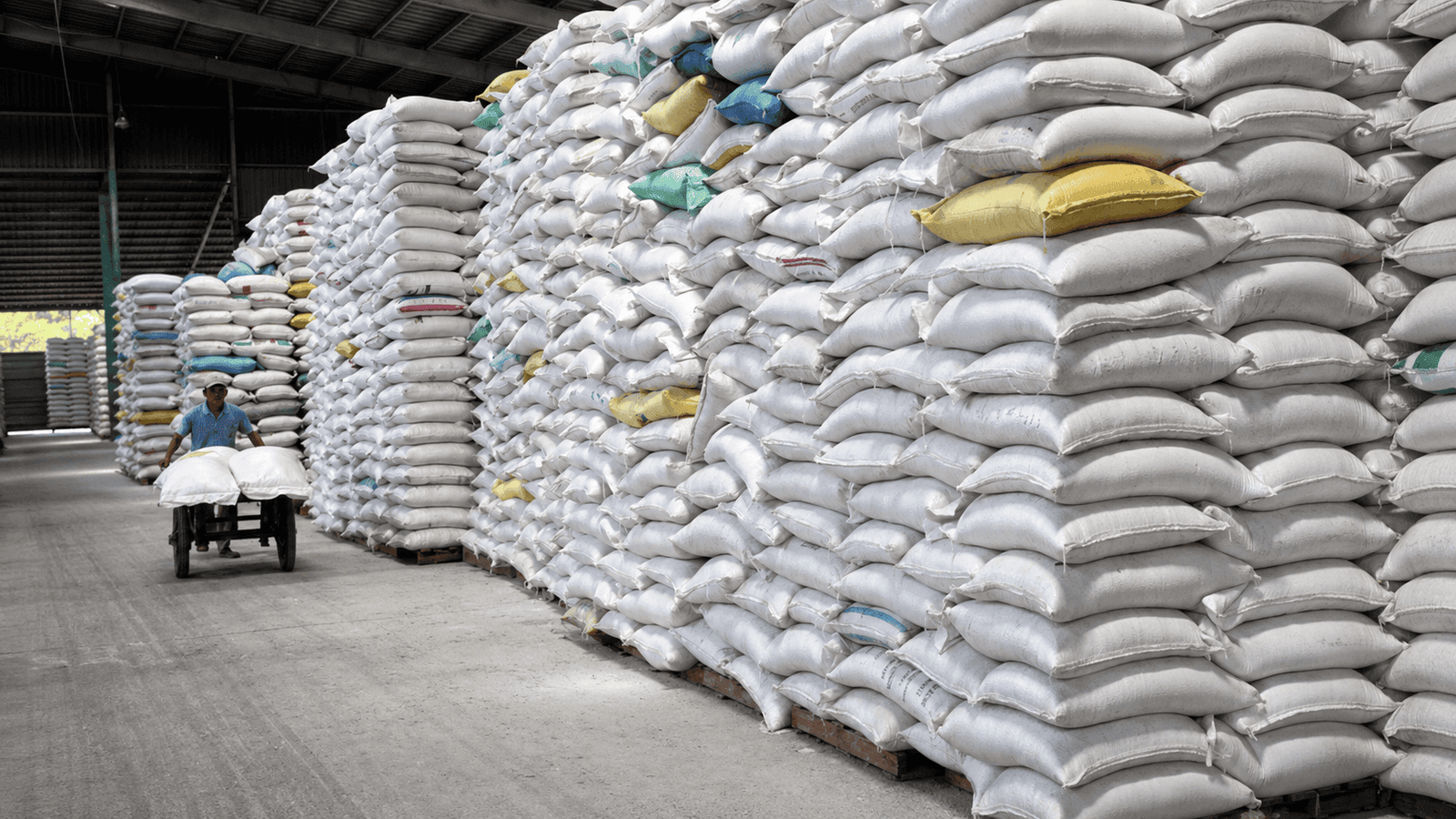
The buyers behind most organic white rice bulk orders fall into a handful of categories: foodservice and institutional distributors building a standing SKU for restaurants and cafeterias; co-packers and private-label brands who repackage bulk rice into their own retail format; ethnic and specialty grocery wholesalers; and import businesses supplying regional distribution networks. What they share is a need for a consistent, certified, well-documented supply that scales predictably from one order to the next.
2. Why US Buyers Choose Organic White Rice Bulk
Buying organic white rice bulk instead of pre-packed retail cases changes more than the box size. A handful of practical advantages come up repeatedly when US buyers explain the switch.
Supply consistency. A single bulk lot, drawn from one certified mill and one harvest season, gives a distributor or private-label brand a uniform product across an entire order, rather than blending multiple small retail batches with subtle variation in moisture, milling degree or grain length.
Simplified certification trail. One organic transaction certificate can cover an entire container of bulk organic white rice, rather than dozens of individual small-batch certificates. That makes annual USDA compliance recordkeeping considerably more manageable for a growing import program.
Less packaging per kilogram. A 1 MT FIBC jumbo bag uses far less plastic film per kilogram of rice than the equivalent weight in small retail pouches, which matters to buyers with sustainability commitments in their own supply chain.
Private-label flexibility. Bulk organic white rice is the raw input for private-label programs: a distributor or retailer can commission its own printed packaging once volume clears the private-label minimum, building a branded SKU on top of a certified organic supply.
Scales with the business. Wholesale organic white rice contracts can typically flex from a single pallet order up to recurring multi-container programs, letting a buyer grow volume without renegotiating the sourcing relationship from scratch each time.
3. Organic White Rice Varieties Available in Bulk
“Organic white rice bulk” is not a single product — it covers several varietal families, each with a different grain length, aroma and typical bulk application. Matching the right variety to the buyer's end use is usually the first sourcing decision.
| Variety | Raw Grain Length | Milling | Aroma | Typical Bulk Use |
|---|---|---|---|---|
| Organic White Basmati | 7.0–8.4 mm | Extra well milled | Highly aromatic | Biryani, pulao, HORECA menus |
| Organic White Long-Grain | 6.0–6.6 mm | Well milled | Neutral | Everyday foodservice, retail base rice |
| Organic White Extra-Long Grain | 6.6–7.0 mm | Well milled | Mild | Pilaf, private-label retail blends |
| Organic White Sona Masoori | 5.0–5.9 mm | Well milled | Mild, slightly soft | South Asian foodservice, institutional |
| Organic White Parboiled Rice | 6.0–6.8 mm | Parboiled & milled | Neutral | Catering, steam-table holding, reheats well |
| Organic White Jasmine-Style | 6.2–7.0 mm | Well milled | Floral | Southeast Asian foodservice |
Raw grain length is the primary spec that separates the organic white rice bulk varieties above.
Basmati elongates roughly two-fold on cooking; the range above reflects raw, uncooked grain length as it would appear on a mill's spec sheet.
4. Quality Specifications for Organic White Rice Bulk
Certification confirms how the rice was grown; it says nothing about milling quality. Serious bulk buyers write quality specifications directly into the purchase contract alongside the organic certificate, so every container is checked against the same numbers.
Moisture content. Should sit at or below 13–14% at the time of loading. Rice above this threshold is at meaningfully higher risk of mold and insect activity during ocean transit and long-term bulk storage.
Broken grains. Export rice is graded by broken-grain percentage; a “5% broken” lot is considered premium whole-grain quality, while “25% broken” is a standard economy bulk grade still suitable for many foodservice applications where visual grain integrity matters less.
Foreign matter and admixture. Premium organic white rice bulk lots typically run at or below 0.3% foreign matter (husk, stone, chaff or non-rice material). Higher admixture usually signals inconsistent post-harvest cleaning.
Damaged and discolored grains. A small percentage of damaged or discolored kernels is normal even in premium lots; buyers generally set an upper limit in the 1–1.5% range for a well-milled organic white rice.
Shaded band = typical acceptable premium range. Marker = commonly quoted premium-grade target.
Always request the mill's actual lab report for a specific shipment — published ranges vary by crop year, origin and grade.
5. USDA Organic Certification for Bulk Shipments
For any US-bound container, the organic claim is governed by the USDA National Organic Program under 7 CFR Part 205. Rice grown and processed under India's National Programme for Organic Production (NPOP) is recognized as equivalent for production and handling, so an NPOP-certified organic white rice bulk shipment can be marketed as organic in the United States without a separate, duplicate on-site USDA certification.
Bulk shipments carry one nuance retail-size purchases usually skip: the NOP transaction certificate for a bulk order should reference the exact container or lot number and the net bulk weight shipped, not a generic product description. The exporting mill's Organic System Plan should also document how bulk stock is segregated in silos or warehouse zones, since bulk storage carries a higher risk of accidental co-mingling with conventional rice than individually sealed retail units.
Documents a US buyer should request for every organic white rice bulk shipment include:
- Valid organic certificates for the producer, the mill and the exporter
- A lot-specific NOP transaction certificate naming the container or bulk lot number
- A lot traceability report linking the shipment to the certified organic farm group
- The mill's current quality specification sheet and, where possible, a pre-shipment sample
Six checkpoints between a certified organic paddy and a bulk container cleared for the US market.
Ask a supplier to walk through documentation for each checkpoint before you commit to an order — not after the container has sailed.
6. Bulk Packaging Options for Organic White Rice
Standard export packaging for organic white rice bulk follows a clear ladder, matched to order size and how the buyer plans to handle the rice downstream.

25 kg and 50 kg PP woven bags are the workhorse format for US distributors and wholesale buyers, food-grade with an internal liner, typically palletized at around 1.0–1.2 MT per pallet. 1 MT FIBC jumbo bags suit co-packers and re-packers, reducing handling labor and pallet count per metric ton shipped. Bulk container loading, with rice loaded loose into a food-grade container liner, offers the highest volume efficiency for large-scale mills, re-packers and institutional buyers who unload directly into their own silo storage. Private-label bulk packaging, with custom-printed retail film, is also available once order volume clears the private-label minimum.
Illustrative share of US bulk orders by packaging format, based on typical wholesale program patterns.
50 kg bags remain the most-ordered format for wholesale organic white rice, balancing pallet efficiency with manageable per-bag handling weight.
Typical metric-ton capacity by shipment size, based on standard 25–50 kg bag palletization.
Wholesale MOQ for organic white rice bulk typically starts around 1 metric ton; container-load efficiency is reached above roughly 18 MT.
Lead times. From a confirmed purchase order to vessel sailing, typical lead time runs 4–6 weeks for stock inventory and 8–10 weeks for private-label production, including milling, packaging and export documentation. Sea transit to US East Coast ports generally averages 25–35 days from South Asian origins.
7. Nutrition Profile of Organic White Rice (Bulk Spec Sheets)
Foodservice distributors and private-label brands sourcing organic white rice bulk typically need macro-nutrient data for menu labeling and nutrition-facts panels. The figures below reflect typical values per 100 grams of raw organic white rice.
Proportional share by weight, per 100 g raw grain, typical published values.
Values are typical for well-milled organic white rice; exact figures can shift slightly by variety and milling degree, so request the mill's spec sheet for label-accurate numbers.
Like all true rice, organic white rice is naturally gluten-free, though buyers packaging a gluten-free claim should verify the milling and packing line follows documented gluten-free handling procedures, since cross-contamination can occur on shared equipment. Because the bran and germ are removed during milling, organic white rice digests faster and carries a higher glycemic index than unmilled organic brown, red or black rice — a relevant note for foodservice buyers serving health-focused menus alongside a standard white rice SKU.
8. Cooked Yield & Portion Planning for Bulk Buyers
For foodservice distributors and caterers, the number that actually matters isn't raw weight — it's how many plates a bulk order turns into. Organic white rice, cooked by the standard absorption method, expands significantly in both weight and volume.
Absorption method, 1:1.5–1.75 water ratio.
A useful benchmark for catering and institutional volume planning: one metric ton of raw organic white rice yields roughly 2.6 metric tons cooked.
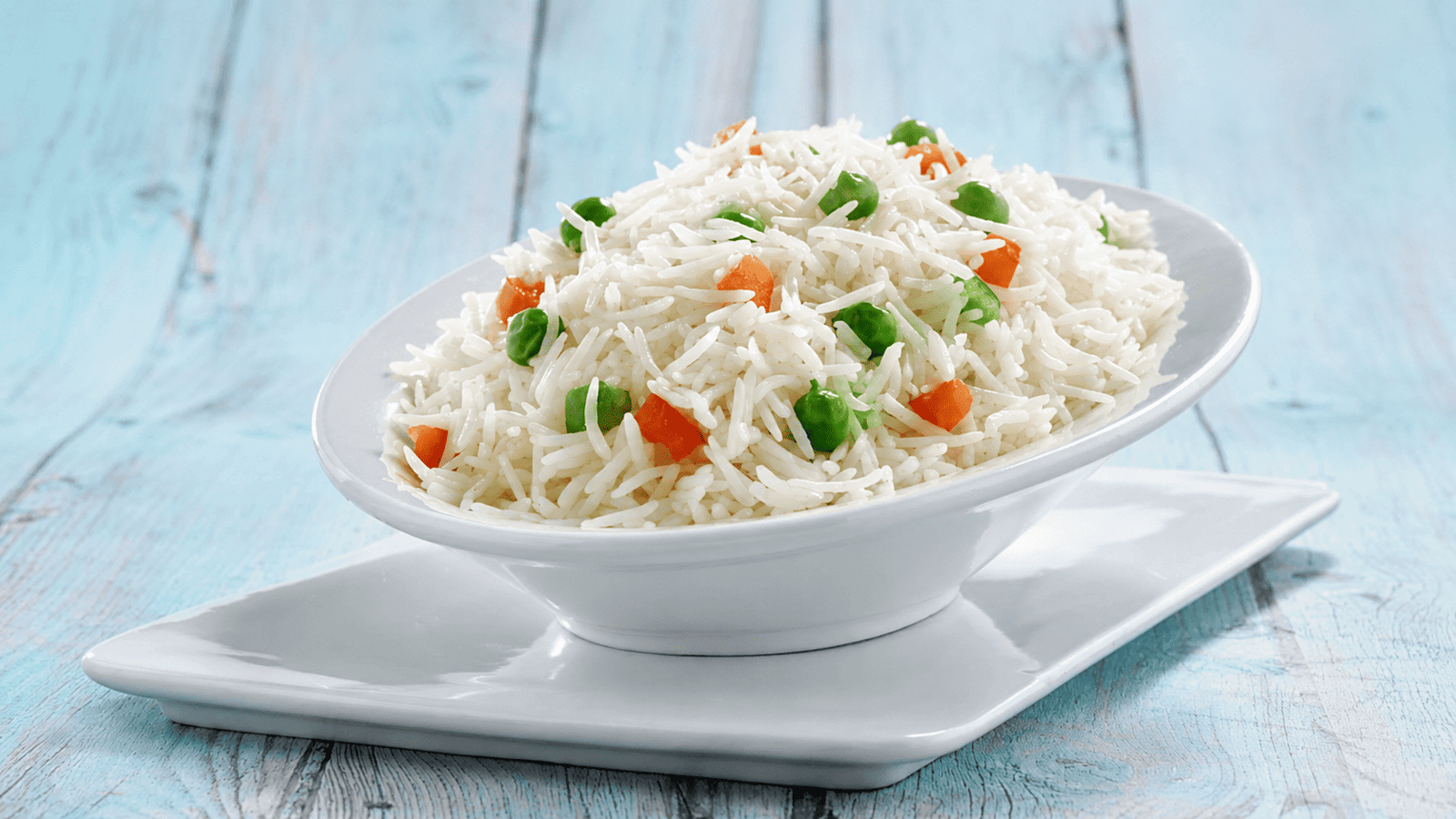
Rinse the rice before cooking to remove surface starch, use the ratio above as a starting point (adjust slightly for parboiled or basmati sub-varieties), bring to a boil, then reduce to the lowest simmer under a tight lid until the water is absorbed. Resting the covered pot for 5–10 minutes before fluffing improves texture consistency across large-batch, steam-table and catering preparations.
9. Importing Organic White Rice Bulk into the USA
Clearing a bulk organic white rice shipment through US ports involves several federal agencies working from the same document package. Missing any one piece is the most common cause of a port hold.
FDA Prior Notice
Under the Bioterrorism Act, prior notice must be filed electronically through FDA's Prior Notice System Interface (PNSI) or via ABI/ACE before the shipment arrives at a US port, generally no earlier than 30 days and no later than the time the shipment is en route. Organic white rice typically falls under FDA Product Code 34 (Cereal Preparations / Rice).
USDA NOP Compliance
The shipment must travel with an NOP transaction certificate issued by an accredited certifier and referencing the specific bulk lot. The importer, or first US recipient handling the product, generally needs to be certified organic under NOP, or operate under a certified organic system plan documenting handling, storage and segregation of the bulk rice once it lands.
Phytosanitary Certificate & HS Code
A government-issued phytosanitary certificate from the exporting country's plant protection organization confirms the rice is free from quarantined pests; CBP and USDA APHIS review it at the port of entry. Milled organic white rice bulk is typically classified under HS code 1006.30 (semi-milled or wholly milled rice), with a broken-grain fraction sometimes falling under 1006.40. Confirm current duty rates with a licensed customs broker for your specific origin.
Port of Entry & Customs Clearance
Major US entry points for bulk rice include the Port of New York/New Jersey, Los Angeles/Long Beach, Houston, Savannah and Oakland. Dry milled rice generally does not require cold storage, but humidity-controlled drayage helps preserve quality after unloading. A formal CBP entry is filed via ACE with the commercial invoice, packing list, bill of lading, phytosanitary certificate, organic transaction certificate and FDA prior notice confirmation bundled together; sampling may occur for pesticide or microbiological screening.
10. Frequently Asked Questions
Common questions from US importers, distributors and private-label brands evaluating organic white rice bulk for their sourcing pipeline.
Wholesale MOQ for organic white rice bulk typically starts around 1 metric ton for standard PP woven bag or FIBC jumbo bag orders. Full container-load efficiency is usually reached at approximately 18–22 metric tons for a 20-ft container and 25–28 metric tons for a 40-ft container. Private-label packaging generally requires a higher minimum because of printing-plate and packaging-film setup.
Organic white rice bulk is commonly supplied in 25 kg and 50 kg food-grade PP woven bags, 1 metric ton FIBC jumbo bags for co-packers and re-packers, or loaded loose into food-grade container liners for the highest-volume buyers. Private-label bulk packaging with custom printing is also available for qualifying order volumes.
Yes, when sourced from the same certified mill and lot. Bulk organic white rice follows the same USDA-recognized organic certification, milling standards and quality specifications, including moisture and broken-grain percentage, as retail-packed product. The only difference is the packaging format and the documentation that travels with a larger shipment.
US buyers should request a valid organic certificate covering the farm, mill and exporter; a shipment-specific NOP transaction certificate referencing the exact bulk lot or container number; a lot traceability report; an FDA prior notice confirmation; and a government-issued phytosanitary certificate. Keep records on file for at least five years for USDA compliance audits.
Properly milled organic white rice with moisture content at or below 13–14% typically holds its quality for 24–36 months in a cool, dry, pest-free warehouse. Bulk storage in FIBC jumbo bags or silos should stay below roughly 20°C (68°F) and 60% relative humidity, with stock rotated on a first-in, first-out basis.
Yes. Many organic white rice bulk suppliers offer private-label packaging in retail-ready pouches once order volume clears the private-label minimum, generally in the 5–10 metric ton range. This includes custom printed film, USDA organic seal placement per 7 CFR 205.300–205.307, and lot-specific traceability carried through to the retail pack. Request a private-label quote here.
Using a standard 1:1.5–1.75 water ratio, one metric ton of raw organic white rice yields roughly 2.6 metric tons of cooked rice — enough for approximately 17,000 servings at a 150-gram cooked portion size, a useful benchmark for foodservice and catering volume planning.
Milled organic white rice is typically classified under HS code 1006.30, covering semi-milled or wholly milled rice. A shipment containing a broken-grain fraction may be classified partly under 1006.40. Duty rates vary by code and origin, so confirm current rates with a licensed customs broker before finalizing a purchase order.
11. Conclusion
Sourcing organic white rice bulk successfully comes down to three things lining up at once: the right variety and grain grade for the end use, a certification trail that will hold up to a USDA compliance audit, and a packaging format that matches how the rice will actually be handled after it lands. Buyers who write quality specifications into the contract, verify certificates before the container sails, and plan portion yield ahead of time avoid the vast majority of problems that show up after delivery.
Whether you're building a standing foodservice SKU, launching a private-label retail line, or supplying a regional distribution network, understanding grain grades, certification, packaging and the import process outlined in this guide puts you in a strong position to source organic white rice bulk with confidence. Our export desk can walk through specifications, samples and documentation for your specific volume within one business day.
Ready to Source Organic White Rice in Bulk?
Get a tailored quotation with full USDA NOP, NPOP & APEDA documentation. Our export desk responds to all US buyer inquiries within one business day.